Rib fracture – An orthopedic nurse is a nurse who specializes in treating patients with bone, limb, or musculoskeletal disorders. Nonetheless, because orthopedics and trauma typically follow one another, head injuries and infected wounds are frequently treated by orthopedic nurses.
Ensuring that patients receive the proper pre-and post-operative care following surgery is the responsibility of an orthopedic nurse. They play a critical role in the effort to return patients to baseline before admission. Early detection of complications following surgery, including sepsis, compartment syndrome, and site infections, falls under the purview of orthopedic nurses.
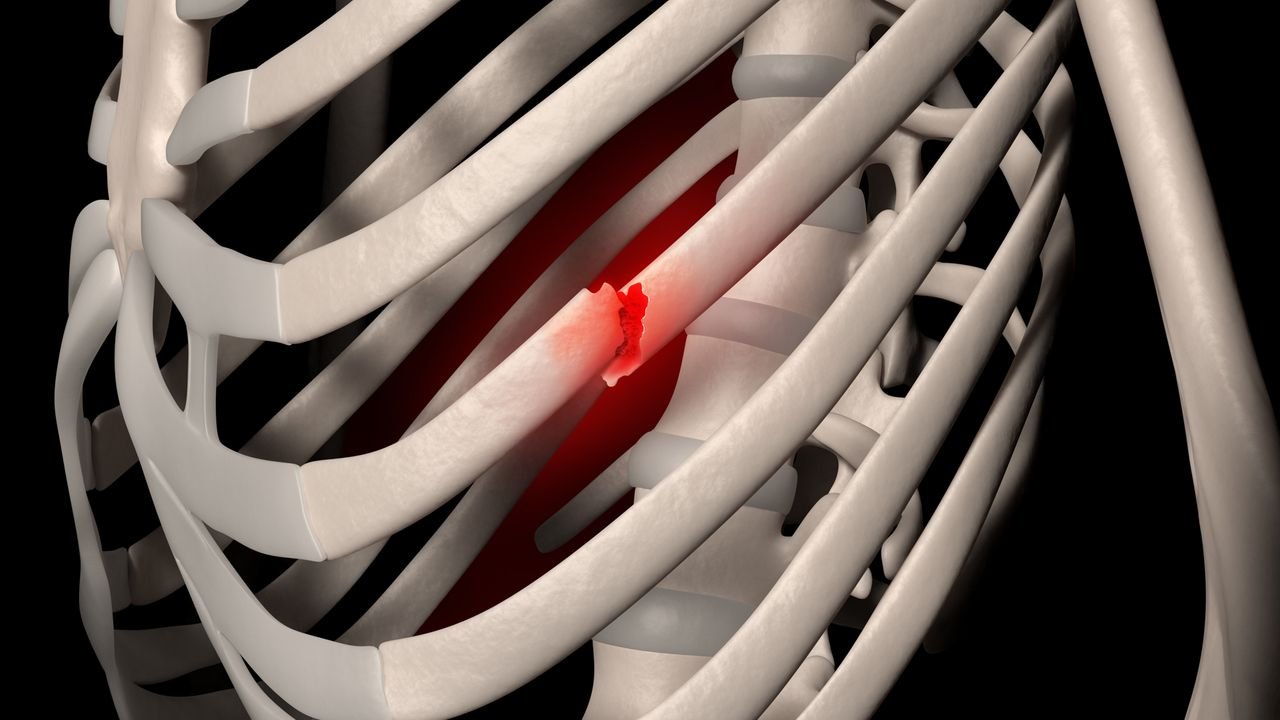
Rib fracture
Common sites of rib fracture :
1) Commonly anterior or posterior costal angle.
2) Costo-chondral junction.
3) Fracture may occur at any site by direct blow or crushing force.
[Ref-Dr. M.A.H.M. Jafar’s “Fracture and Dislocations” 2nd edition page-166]
Causes of rib fracture:
1) Direct blow.
2) Fall on the hard substance or fall from a considerable height
3) Crushing force.
4) Coughing, laughing and sneezing may cause spontaneous fracture of weaken ribs due to any disease.
[Ref-Dr. M.A.H.M. Jafar’s “Fracture and Dislocations” 2nd edition page-166]
Clinical features of rib fracture:
1. Pain in the affected region.
2. Difficulty in breathing.
3. Inability to sleep on the affected side or lift weight.
4. Difficult in traveling.
5. Difficult in carrying day-to-day activities.
6. Local bony irregularity.
7. Positive compression test.
[Ref-John Ebnezar’s “Textbook of Orthopedics” 4th edition page-308]
Principles of treatment :
It is essentially conservative. Intercostals muscles provide natural immobilization to the fractured ribs and hence no aggressive management is required.
Conservative measures:
1) Strapping, ultrasound or TENS, etc are effective in reducing the pain.
2) Occasionally, a local infiltration of hydrocortisone helps.
3) Very rarely, the fracture fragments may pierce the pleura causing pneumothorax, hemothorax, — Aspiration
4) These are dangerous injuries and needs to be managed aggressively.

[Ref-John Ebnezar’s “Textbook of Orthopedics” 4th edition page-308-309]
Types of rib fracture:
For easier description of fracture of ribs may be classified into two types:
1) Minor injuries: Fracture of one or two ribs without involving the pleura and lung tissue.
2) Major injuries: Multiple fractures of ribs. Usually 2 to 6 ribs are injured in between 2nd to 10th involving pleura and lung tissue.
[Ref-Dr. M.A.H.M. Jafar’s “Fracture and Dislocations” 2″ edition page-166]
Complications of rib fracture :
1) Surgical emphysema.
2) Mediastinal emphysema.
3) Traumatic pneumothorax:
- 7. Open or sucking pneumothorax.
- 8. Closed pneumothorax.
- 9. Tension pneumothorax.
4) Pneumohaemothorax.
5) Haemothorax.
6) Clotted haemothorax.
7) Direct lung damage.
8) Traumatic asphyxia.
9) Atelactsis.
10) Associated injury to the diaphragm spleen & liver.
[Ref-Dr. M.A.H.M. Jafar’s “Fracture and Dislocations” 2nd edition page-171]