Definition of Implants | CHAPTER 8 | Orthopedic Nursing
Definition of Implants – An orthopedic nurse is a nurse who specializes in treating patients with bone, limb, or musculoskeletal disorders. Nonetheless, because orthopedics and trauma typically follow one another, head injuries and infected wounds are frequently treated by orthopedic nurses.
Ensuring that patients receive the proper pre-and post-operative care following surgery is the responsibility of an orthopedic nurse. They play a critical role in the effort to return patients to baseline before admission. Early detection of complications following surgery, including sepsis, compartment syndrome, and site infections, falls under the purview of orthopedic nurses.
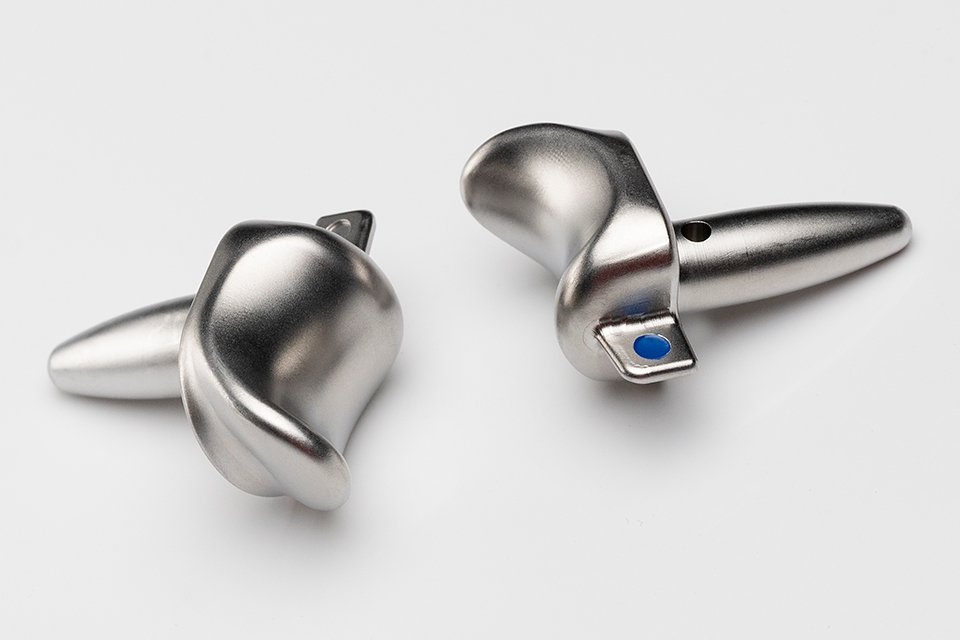
An orthopedic implant is a device surgically placed into the body designed to restore function by replacing or reinforcing a damaged structure. E.g. For the treatment of back pain, orthopedic implants such as bone plates and bone screws are used in spinal fusion surgery and fixation of fractured bone segments, as well as implant components used for hip and joint replacement.
Or
An orthopedic implant is a medical device manufactured to replace a missing joint or bone or to support a damaged bone. The medical implant is mainly fabricated using stainless steel and titanium alloys for strength and the plastic coating that is done on it acts as an artificial cartilage.
Types of implants:
1. Metallic implants –
a) Iron based (stainless steel): Composition of the alloy is, iron 70 percent, chromium 20 percent and nickel 8 percent, manganese 2 percent. Commonly used alloy is 18.8S70 stainless steel.
b) Cobalt based: Here the composition is cobalt 60 percent, chromium 30 percent, 5 percent molybdenum and 5 percent nickel.
c) Titanium based: This consist of 90 percent titanium, 6 per aluminum and 4 percent vanadium. Implants made from titanium are very strong and have great corrosion resistance.
Stainless implants
2. Nonmetallic implants: Usually made by plastic materials. Polyethylene, polymethylmethacrylate (PMMA) and silicones are the commonly nonmetallic implants.
Nonmetallic implants
[Ref-John Ehnezar’s, “Textbook of Orthopedics”, ” edition, P-6]
Characteristics of ideal implants:
1. Should be corrosion resistant.
2. Should be biocompatible.
3. Should have high tensile strength.
4. Should have high fatigue limit.
Three important tips for implant selection:
1. Proper material.
2. Proper design.
3. Proper size and fixation.
(Ref-John Ebnezar’s, “Textbook of Orthopedics”, 4″ edition,p-69)
Verities of implants:
Commonly used orthopedic implants are
1) Extramedullary fixation: fixation of implants on the bone externally. Such as screws, plates, K-win circlage, transfixation, staples and sutures anchors.
2) Intramedullary fixations: Fixation of implants inside of the bone in medullary region. Such as Hansen nail, Interlocking nail Kuntscher nail.
[Ref-John Ebnezar’s, “Textbook of Orthopedics”, 4″ edition.p-76]