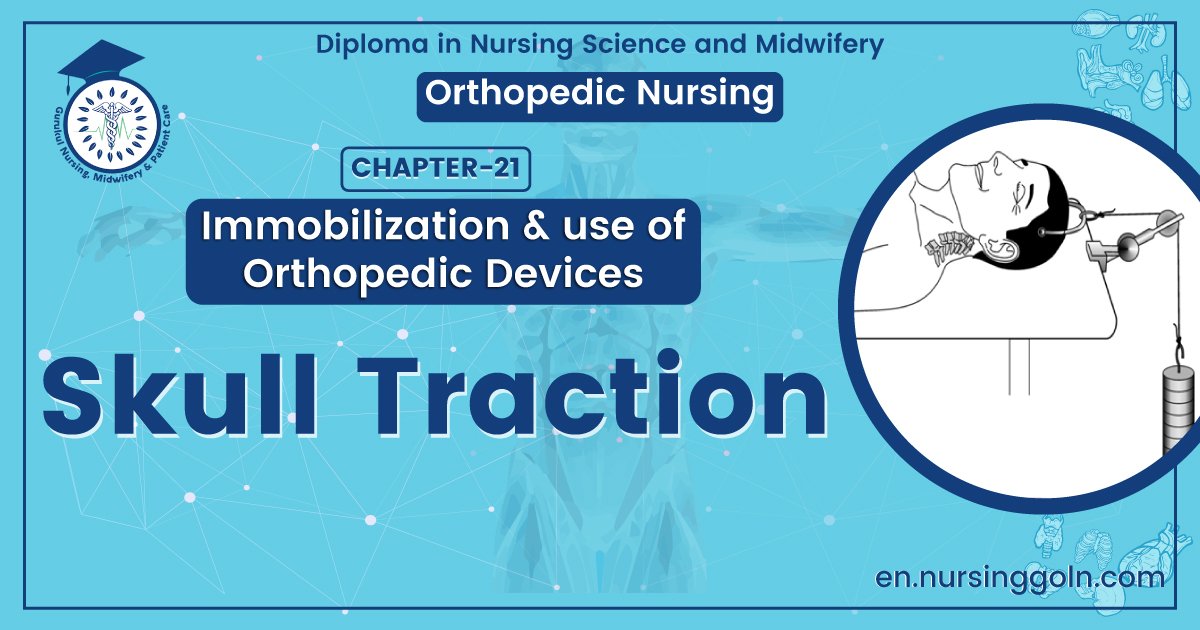
Skull Traction – An orthopedic nurse is a nurse who specializes in treating patients with bone, limb, or musculoskeletal disorders. Nonetheless, because orthopedics and trauma typically follow one another, head injuries and infected wounds are frequently treated by orthopedic nurses.
Ensuring that patients receive the proper pre-and post-operative care following surgery is the responsibility of an orthopedic nurse. They play a critical role in the effort to return patients to baseline before admission. Early detection of complications following surgery, including sepsis, compartment syndrome, and site infections, falls under the purview of orthopedic nurses.
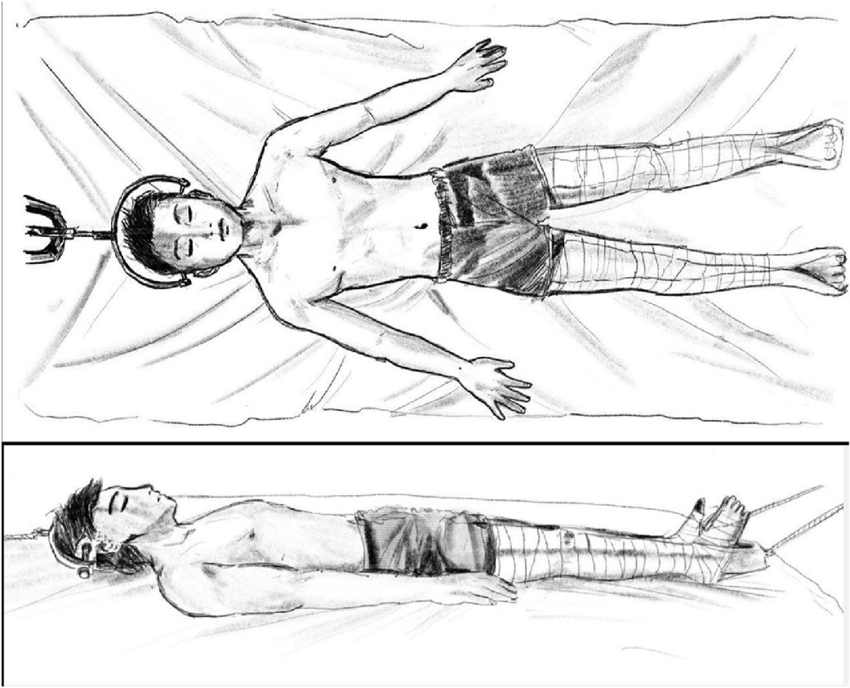
Skull Traction
Indications of skull traction:
1. To reduce fracture and dislocations of the cervical spine.
2. To immobilize cervical fracture.
3. To reduce sublaxation of the cervical spine.
(Ref-Lippincott, Adult Orthopedic Nursing, I” edition, P-181)
Slings
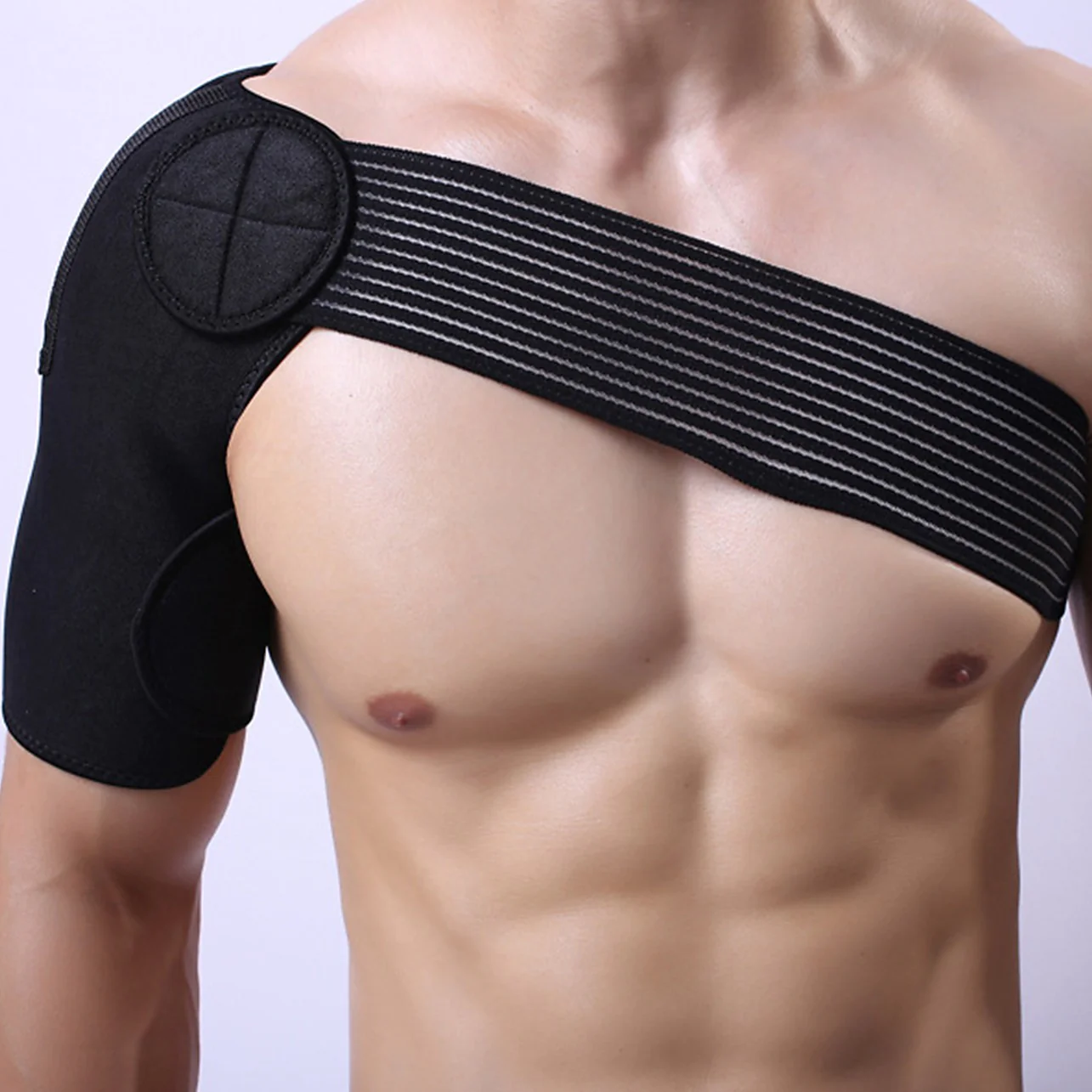
Slings are used to provide support and protection for injured arms, wrist and hand or immobilizing an upper limb when there are chest injuries
Types of slings: There are 3 types of slings-
1) Arm slings: This is used when there are injuries to the upper limb and for some chest injuries.
2) Elevation slings: This sling is used to support the hand and forearm in a well raised position. It’s sub divided into 2 types-
a) Collar and cuff slings: Used to support wrist. The elbow is bent the forearm is placed across the chest in such a way that the fingers touch the opposite shoulder.
b) Triangular slings: This is used in treating a fracture of the collar bone. Placing the fore arm across the chest with the fingers pointing towards opposite shoulder.
3) Improvised slings: If no triangular bandage is not available slings may be improvised in several ways to provide support.
Procedure of applying a large arm slings:
1. Stand in front of the patient and get him to hang his hands by his sides.
2. Apply the open triangular bandage to the front of his chest, with the apex towards the injured arm.
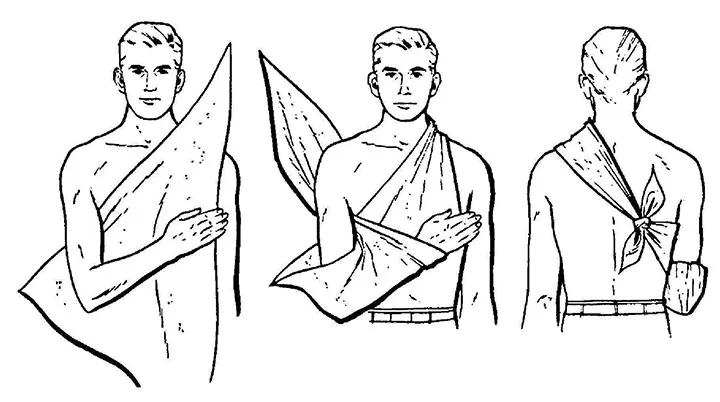
3. Place the upper end of the bandage over the sound shoulder and let the other end hang down towards the ground.
4. Carry the upper end round the back of the neck and forwards over the shoulder of the injured side.
5. Bend the injured arm carefully at the elbow and place the forearm across the chest, with the hand (thumb upwards) pointing to the opposite shoulder.
6. Bring up the lower end of the bandage over the forearm and tie it to the upper end in front of the shoulder on the injured side just below (below on) the collarbone. 7. Fold the apex forwards over the elbow and fix it with a safety pin.
(Reference: Manipal of Manual of Nursing Procedure, Dr. (Mrs.) Ratna Prakash, Vol-1, Part-B, P-204)

Procedure of applying a small arm slings:
1. Use a broad fold bandage.
2. Stand in front of the patient and lay one end of the bandage over the sound shoulder.
3. Bring it round the back of the neck and forwards over the shoulder of the injured side.
4. Bend the elbow of the injured arm carefully, placing the wrist and hand in the bandage so that they are a little higher than the elbow. 5. Bring up the lower end of the bandage and tie with upper end just below the collarbone on the injured side.
[Reference : Manipal of Manual of Nursing Procedure, Dr. (Mrs.) Ratna Prakash Vol-1, Part-B, P-204]
Read more: