Vitamin A – This book covers the entire syllabus of “Nutrition and Dietetics” prescribed by BNMC-for all Diploma in Nursing Science and Midwifery students. We tried to accommodate latest information and topics. This book is examination friendly setup according to the teachers’ lectures and examination’s questions. At the end of the book previous university questions are given. We hope in touch with the book students’ knowledge will be upgraded and flourished. The unique way of presentation may make your reading of the book a pleasurable experience.
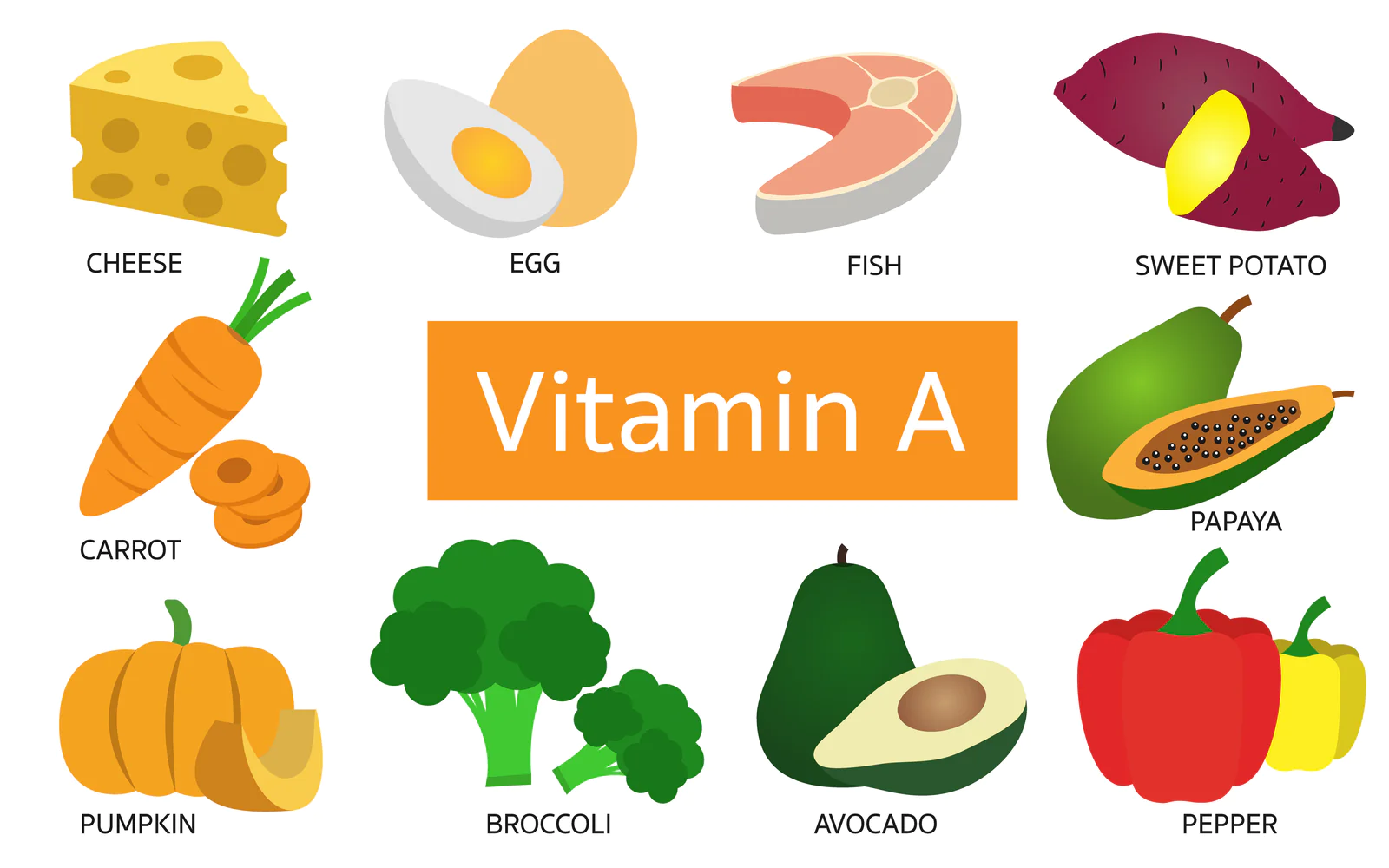
Vitamin A
Vitamin-A is a fat soluble vitamin which covers both a preformed vitamin, retinal, and a pro-vitamin, beta carotene, some of which is converted to retinal in the intestinal mucosa.
(Ref: K. Park/24/656)
Or
Vitamin-A is necessary for growth and level it raises the general of resistance against infection. It is therefore called growth promoting and anti-infective vitamin.
Source of Vitamin-A:
| 1. Animal source: |
|
| 2. Vegetable sources (B-carotene): |
|
| 3. Fortified foods: |
|
(Ref by: T. K. Indrani/1/74-75)
Function of vitamin-A:
- It is essential for normal vision. It contributes to the production of retinal pigments, which are needed for vision in dim light.
- It is necessary for maintaining the integrity and the normal functioning of glandular and epithelial tissue, which lines intestinal, respiratory and urinary tracts as well as the skin and eyes.
- It supports growth especially skeletal growth.
- It is anti-infective: there is increased susceptibility to infection and lowered immune response in vitamin-A deficiency, and
- It may protect against some epithelial cancers such as bronchial cancers.
- It is essential for the formation of teeth.
- It is essential to maintain normal reproductive function in males.
Ref: T. K. Indrani/1″/29)
Effects of vitamin-A deficiency:
Two types of effect
- Ocular
- Extra ocular
| 1. Ocular effects: | a) Night blindness:
b) Conjunctival xerosis: –
c) Bitot’s spot:
d) Corneal xerosis: cim
e) Keratomalacia:
|
| 2. Extra-ocular manifestation of vitamin-A-vitamin deficiency: |
|
Daily requirement of vitamin-A:
| Vitamins | Age group | RDA. | |
Vitamin-A | Adult
Infants
Children
Adolescent
| Retinol (µg) | B-carotene (µg) |
| 600 600 600 750350400 600 600 | 2400 1200 1600 2400 | ||
(Ref by: K. Park/24/666)
Vitamin A is needed because –
1. To keep the eye healthy. Vitamin A keeps the front of the eye (the conjunctiva and cornea) strong, clear, and wet. It helps the eye to see in dim light.
2. To help children to grow properly
3. To prevent infections
4. Vitamin A destroys free radicals and so helps to prevent tissue damage during infection.
Unit:
Retinol equivalent (RE)
The conversion can be done in the following way:
- 1 mcg of retinol = 1 mcg of RE
- 1 mcg of beta carotene = 0.167 mcg of RE
- I mcg of other carotenoids 0.084 of RE
Absorption and storage of vitamin A:
Vitamin A is absorbed in the small intestine and pass along with fate through the lymphatic system into the blood stream, form blood stream liver can store large amount of vitamin A, when fed on diet rich in vitamin A.
The liver has an enormous capacity for storing vitamin A, mostly in the form of retinol palmitate.
A well-fed person has sufficient vitamin-A reserves to meet his needs for 6 to 9 months or more. In severe protein deficiency, decreased production of retinol-binding protein prevents mobilization of liver retinol reserves.
(Ref: T. K. Indrani/1/76)
Symptoms of toxicity of vitamin A:
Excessive intakes of vitamin-A are toxic to both children and adults.
1. Hyperirritability.
2. Drying of skin
3. Desquamation of the skin.
4. Loss of hair.
5. Headaches.
6. Enlargement of liver and spleen.
Prevention and Control of Night Blindness:
| Health promotion: |
|
| Specific protection: |
|
| Early diagnosis & Treatment: |
✓ Distribution of food
|
| Treatment of night blindness: | For children over 1 year and under 6 years old
|
Measures to Prevent Vitamin A Deficiency:
1. Periodic administration of high-doses of vitamin A (2,00000 IU) is an effective measure of controlling vitamin A deficiency.
2. Adequate treatment and supplementation for mal-nutrition, diarrhea infection and, measles.
3. Long term measures including nutrition education such as local sources of the vitamin A or carotenoids, production and consumption of foods rich in vitamin A or pro-vitamin A and fortification of foods with vitamin A.
4. Programs to encourage breast feeding increased consumption of dark green leafy vegetables, carrot, egg, liver, fish and meal cod liver oil, small fish etc, can be provided when parents can afford