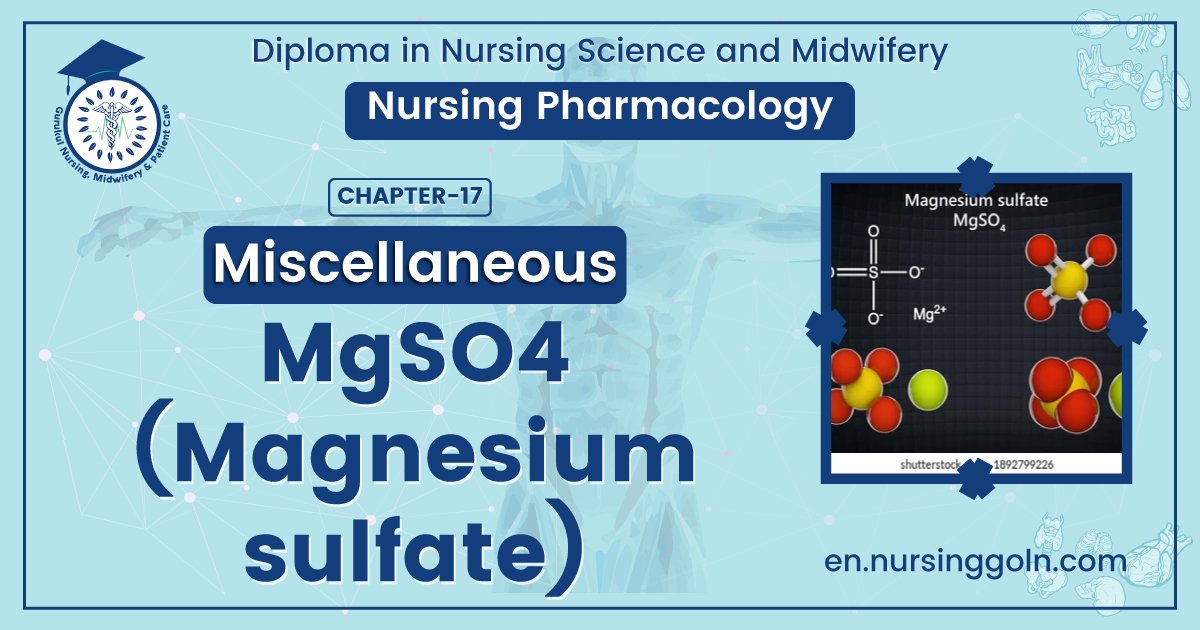
MgSO4 (Magnesium sulfate) – This book covers the entire syllabus of “Pharmacology” prescribed by BNMC- for diploma in nursing science & midwifery students. We tried to accommodate the latest information and topics. This book is an examination setup according to the teachers’ lectures and examination questions.
At the end of the book, previous questions are given. We hope in touch with the book students’ knowledge will be upgraded and flourish. The unique way of presentation may make your reading of the book a pleasurable experience.
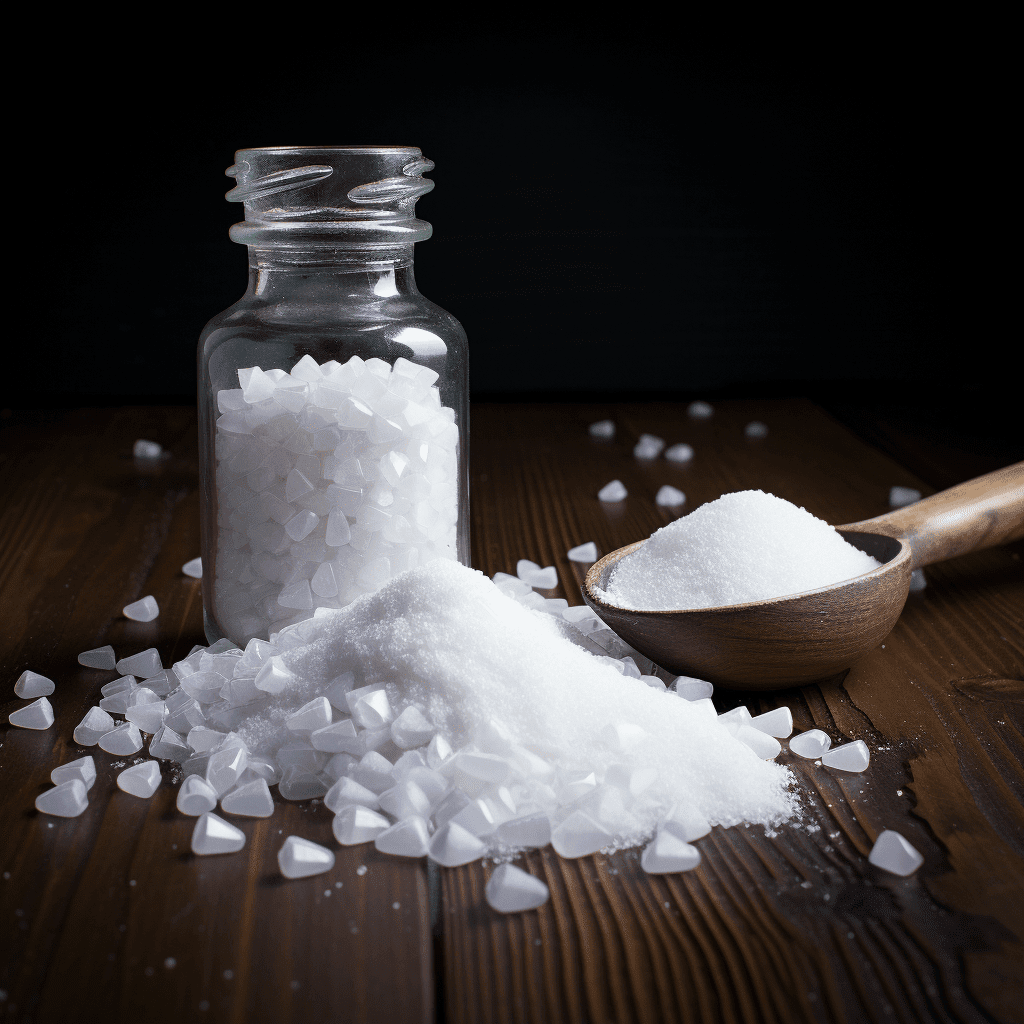
MgSO4 (Magnesium sulfate)
Magnesium sulfate is a naturally occurring mineral used to control low blood levels of magnesium. Magnesium sulfate injection is also used for pediatric acute nephritis and to prevent seizures in severe pre-eclampsia, eclampsia, or toxemia of pregnancy.
Adverse ‘effect of’ MgSO4:
- Circulatory collapse
- Respiratory paralysis
- Low core body temperature (hypothermia)
- Excess fluid in the lungs (pulmonary edema)
- Depressed/poor reflexes
- Low blood pressure (hypotension)
- Flushing
- Drowsiness
- Depressed cardiac function/heart disturbances
- Increased sweating

- Low blood calcium (hypocalcemia)
- Low blood phosphates (hypophosphatemia)
- Low blood potassium (hyperkalemia)
- Visual changes
- Breathing difficulties
- Confusion
- Weakness
- Flushing (warmth, redness, or tingly feeling)
- Feeling like you might pass out
- Anxiety
- Cold feeling
- Extreme drowsiness
- Muscle tightness or contraction
- Headache
Magnesium sulfate is mostly used in agriculture to replenish groundwater that is low in magnesium, which is necessary for photosynthesis and chlorophyll. For this purpose, monohydrate is preferred; by the middle of the 1970s, 2.3 million tons were produced annually. In nature, the salt can be found in numerous hydrates and in its anhydrous form as minerals. It is also a major ingredient in the water that comes from some springs.