A sound understanding of the general principles of bandaging is essential for nurses to manage wounds, injuries, and various clinical conditions effectively. Bandaging is a fundamental nursing skill that serves multiple purposes, including protecting wounds, supporting injured parts, controlling bleeding, reducing swelling, and promoting healing. Correct technique not only enhances patient comfort but also prevents complications such as impaired circulation, infection, or delayed recovery.
General Principles of Bandaging
General Principles of Bandaging
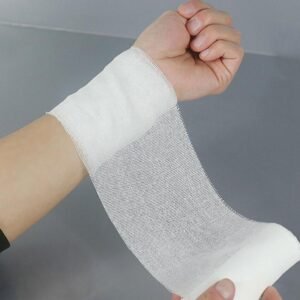
The following principles should always be observed when applying a bandage:
- The patient should be placed in a comfortable position, ensuring both patient ease and convenience for the nurse.
- The body part to be bandaged must be well supported and, where appropriate, elevated to reduce swelling.
- The nurse should stand directly facing the patient or the part being bandaged to maintain control and accuracy.
- A bandage must always serve a specific purpose, such as holding a dressing in place, providing support, or immobilising a part.
- Begin bandaging with at least two circular turns around the smallest diameter of the limb to secure the bandage firmly.
- Skin surfaces should be separated using gauze or cotton to prevent friction and skin breakdown. When applying casts, special padding must be placed over bony prominences.
- Bandaging is generally carried out from distal to proximal and traditionally to the right, unless clinical circumstances require otherwise.
- Apply even pressure throughout, avoiding tightness that may impair circulation.
- Bandaging should follow the direction of venous circulation to promote venous return.
- Fingers and toes should not be completely covered, unless required by the injury, so that circulation can be observed.
- Never apply a wet bandage, as it may shrink while drying and become excessively tight.
- Avoid applying the bandage too loosely, as this may cause slipping and exposure of the wound.
- All turns of the bandage should be made clockwise, unless there is a specific reason to do otherwise. The roll should be held in the palm of the hand, with the free end unrolling smoothly.
- Secure the terminal end of the bandage using safety pins or adhesive strapping, ensuring it does not cause discomfort.
Removal and Observation
- Bandages should be removed by loosening and gathering the folds into a soft mass, transferring it gently from one hand to the other.
- The bandaged area must be examined frequently for signs of pain, swelling, numbness, discolouration, or impaired circulation.
- Patient’s response to the procedure
Steps by Steps application of key principles of Bandaging:
- Assessment
Before applying a bandage, the nurse must assess the wound or injury to determine the appropriate bandage type and technique. Factors such as size, location, severity of injury, skin condition, and any underlying health problems should be considered.
- Cleanliness
Strict cleanliness is vital to prevent infection. Nurses must perform hand hygiene, wear gloves, and ensure that the wound area is properly cleaned and disinfected before bandaging.
- Gentleness
The wound and surrounding tissues should be handled gently to avoid additional trauma or discomfort. Smooth, careful movements should be used during application and removal.
- Proper Technique
Correct technique ensures adequate support and protection. The bandage should be applied evenly and securely, without excessive tension that could compromise circulation or cause pain.
- Pressure
When pressure is required to control bleeding or reduce swelling, it must be applied appropriately. Circulation, sensation, and movement distal to the bandaged area should be checked regularly.
- Coverage
The bandage should fully cover the wound and extend beyond its edges to ensure protection, while still allowing ventilation and drainage when required.
- Comfort
Patient comfort is essential. Soft, non-adherent materials and padding should be used, particularly over bony areas and sensitive skin, to minimise irritation.
- Monitoring
Regular monitoring is necessary to identify complications such as infection, skin breakdown, or circulatory impairment. Any abnormal findings should be addressed promptly.
- Education
Patients and caregivers should be educated on bandage care, warning signs of complications, and when to seek medical attention.
- Documentation
Accurate documentation is essential. Nurses should record:
- Type of bandage applied
- Site and method of application
- Condition of the wound
Bandaging is a vital nursing skill that requires knowledge, precision, and ongoing assessment. Adherence to the general principles of bandaging ensures patient safety, promotes effective healing, and minimises complications. Through careful technique, observation, patient education, and documentation, nurses play a crucial role in achieving optimal wound care outcomes.