Definition of Respiration – Nursing is a profession within the healthcare sector focused on the care of individuals, families, and communities so they may attain, maintain, or recover optimal health and quality of life. Nurses may be differentiated from other healthcare providers by their approach to patient care, training, and scope of practice. Nurses practice in many specialisms with differing levels of prescriber authority.
Many nurses provide care within the ordering scope of physicians, and this traditional role has shaped the public image of nurses as care providers. However, nurses are permitted by most jurisdictions to practice independently in a variety of settings depending on training level. In the postwar period, nurse education has undergone a process of diversification towards advanced and specialized credentials, and many of the traditional regulations and provider roles are changing.
Nurses develop a plan of care, working collaboratively with physicians, therapists, the patient, the patient’s family, and other team members, that focus on treating illness to improve quality of life. Nurses may help coordinate the patient care performed by other members of an interdisciplinary healthcare team such as therapists, medical practitioners, and dietitians. Nurses provide care both interdependently, for example, with physicians, and independently as nursing professionals.
Definition of Respiration
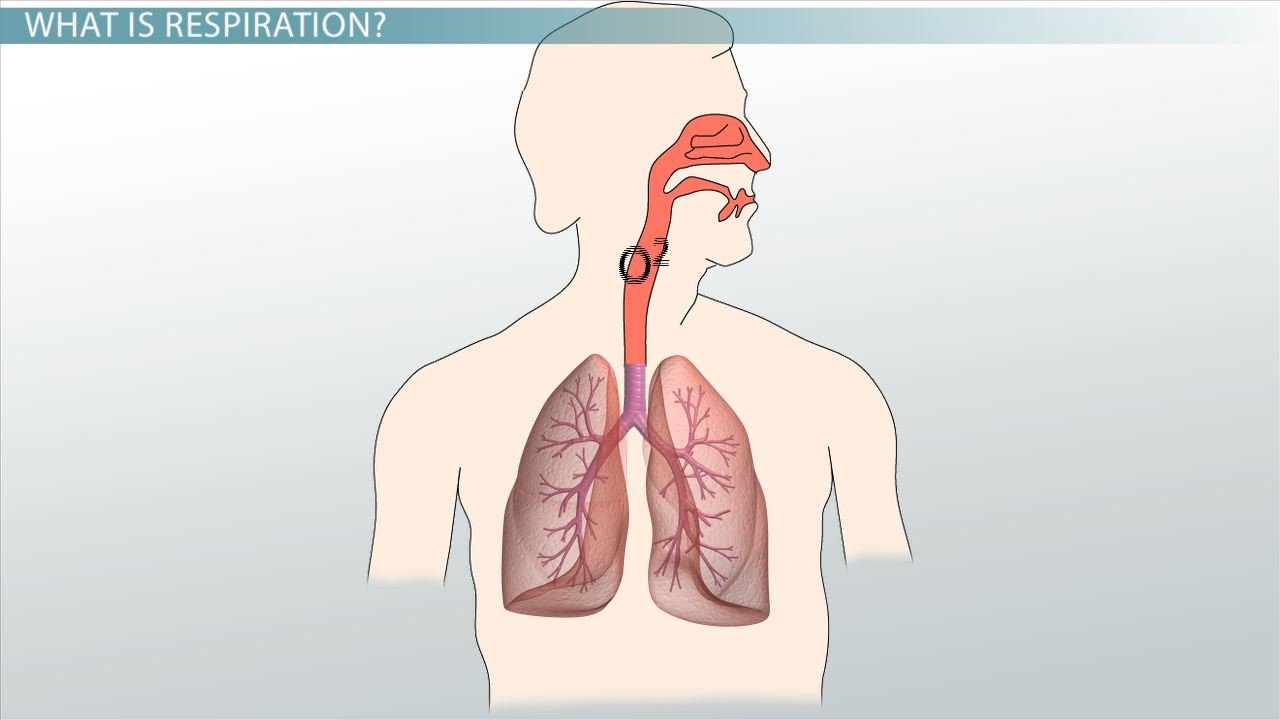
Respiration is the act of berating in and breathing out. It includes inspiration and expiration. The exchange of gases between the blood and lungs is called external or pulmonary respiration. The exchange of gases between blood and tissue cells is called internal respiration or tissue respiration.
Or
Respiration is a physiological process which means the transport of O_{2} from atmosphere to the body cell for oxidation of the ingested food materials and elimination of C*O_{2} and other volatile metabolic end products from the cell to the atmosphere.
Phages of Respiration:
1. Inspiration (Active process): It means intake of air into lungs. Its duration is about 2 second.
2. Expiration (Passive process): It means output of air from lungs. Its duration is about 3 second
Types of Respiration:
A. External respiration: Intake of O_{2}*i and remove of C*O_{2} from body is called external respiration. It include four steps:
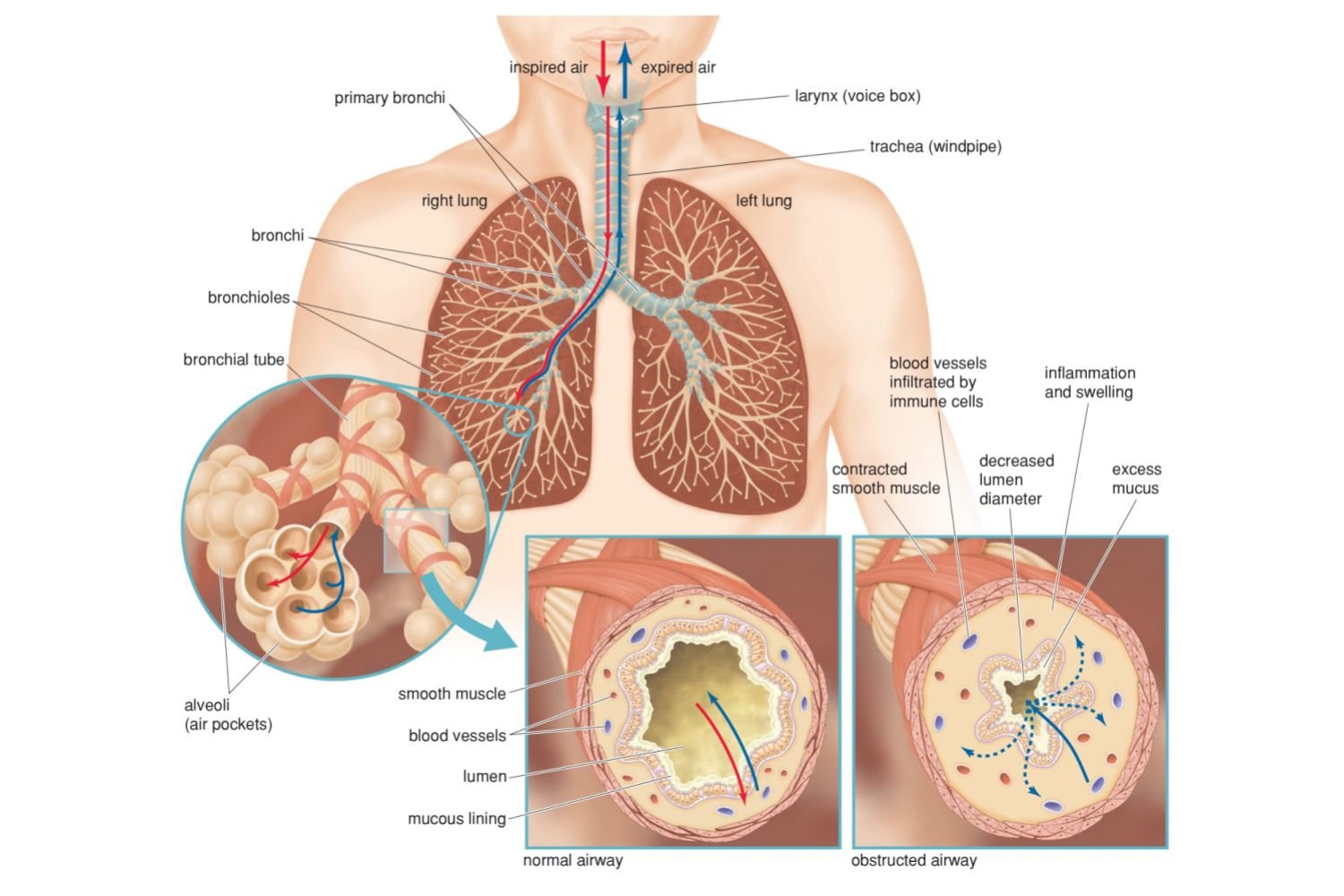
a) Pulmonary ventilation: Its means inflow and outflow of air between alveoli and atmosphere.
b) Diffusion of O_{2} and C*O_{2} between alveoli and blood.
c) Transport of O_{2} to the cells and C*O_{2} from the cells to the lungs.
d) Regulation of respiration.
B. Internal respiration: The utilization of O_{2} and production of C*O_{2} by cells and the gaseous exchanges between the cells and their fluid medium.
Purposes of Assessing Respiration:
1. To assess rate, rhythm and volume of respiration.
2. To assess for any change in condition and health status.
3. To monitor the effectiveness of therapy related to respiration system.
Normal Variations in Respiration:
The normal rate of respiration for an adult is 16 to 20 per minute.
1. Age
A. At birth – 30-40/minute
B. One year – 26-30/minute
C. 2 to 5 yrs – 20-26/minute
D. Adolescence – 20/minute
E. Adults – 16-20/minute
F. Old age – 10-24/minute
2. Sex: Females have slightly rapid respirations as compared to males.
3. Exercise: Exertion of any type increases metabolic rate and stimulates respiration. During exercise, the rate of respiration is increased.
4. Rest and sleep: During rest and sleep, respiration rate is normal or decreased.
5. Emotions: Sudden stress full conditions such as fear, anger, etc, may influence respiratory rate.
6 . Change in atmospheric pressure: At high attitude, the content of oxygen in the atmosphere is very low. So sufficient oxygen is nit absorbed by the blood, the rate of respiration is increased and the increased demand of oxygen is fulfilled.
Factors Influencing Character of Respiration
1. Exercise
2. Acute pain: It increases respiration.
3. Anxiety: It increases respiration
4. Smoking: Long term smoking changes lungs airways, increasing rate of respiration
5. Body position: Erect position helps in respiration while stopped position impairs respiration.
6. Medication: Narcotics decrease respiration. Stimulants like cocaine increase respiration wenA
7. Injury to brain stem: It inhibits respiratory Rate and rhythm
Observe in respiration
1. Rate, rhythm, depth, and easiness of respiration
2. Movements of chest, abdomen and nose
3. Color of patient.
Abnormalities in Respiration
1. Apnoea: Respiration ceases for several seconds.
2. Dyspnoea: Difficult respiration. Increased effort has to be made in inspiration and expiration.
3. Bradypnoea: Rate of breathing is less than 10/minute of regular respiration.
4. Tachypnea: Rate of breathing is more then 20/minute of regular respiration
5. Hyperpnoea: Respiration is increased in depth and rate
6. Orthopnea: It is respiratory condition in which a person must sit or stand to breathe comfortably
7. Cheyne-Stokes respiration: Respiratory rhythm is irregular, characterized by altering periods of apnea and hyperventilation.
8. Kussumauls Respiration: Respiration is abnormally deep but regular. Rate is increased. It is seen in diabetic keto acidosis.
9. Biots Respiration: It is sallow breathing interrupted by irregular periods of apnea, seen in cntral- nervous system disorders.
10. Sighing: It expands the small air ways. It is protective mechanism
11. Noisy Respiration: Stertorous, grunting, expiration is forced; stridor inspiration is forced; yawning inspiration is forced due to air hunger.
12. Hiccough: It is due to spasms of diaphragm and glottis.
Procedure of Assessing Respiration:
A. Articles:
1. Wrist watch with second hand
2. Graphic record.
3. Pen (color according to agency policy)
B. Procedure:
1. Ensure that patient is relaxed. Assess other vital signs such as pulse or temperature prior to counting respiration
2. Assess for factors that may alter respiration.
3. Wait for 5-10 minutes before assessing respiration if patient had been active.
4. Position patient in sitting or supine position with head elevated at 45-60
5. Keep your fingers over the wrist as if checking pulse and position patients hand over his lower chest or abdomen.
6. Observe one complete respiratory cycle-inspiration.
7. Assess rate, depth, rhythm and character of respiration.
8. Count respiration for one whole minute
9. Wash hands
10. Record the findings and report any abnormal findings.