Definition of Disinfection – Nursing is a profession within the healthcare sector focused on the care of individuals, families, and communities so they may attain, maintain, or recover optimal health and quality of life. Nurses may be differentiated from other healthcare providers by their approach to patient care, training, and scope of practice. Nurses practice in many specialisms with differing levels of prescriber authority.
Many nurses provide care within the ordering scope of physicians, and this traditional role has shaped the public image of nurses as care providers. However, nurses are permitted by most jurisdictions to practice independently in a variety of settings depending on training level. In the postwar period, nurse education has undergone a process of diversification towards advanced and specialized credentials, and many of the traditional regulations and provider roles are changing.
Nurses develop a plan of care, working collaboratively with physicians, therapists, the patient, the patient’s family, and other team members, that focus on treating illness to improve quality of life. Nurses may help coordinate the patient care performed by other members of an interdisciplinary healthcare team such as therapists, medical practitioners, and dietitians. Nurses provide care both interdependently, for example, with physicians, and independently as nursing professionals.
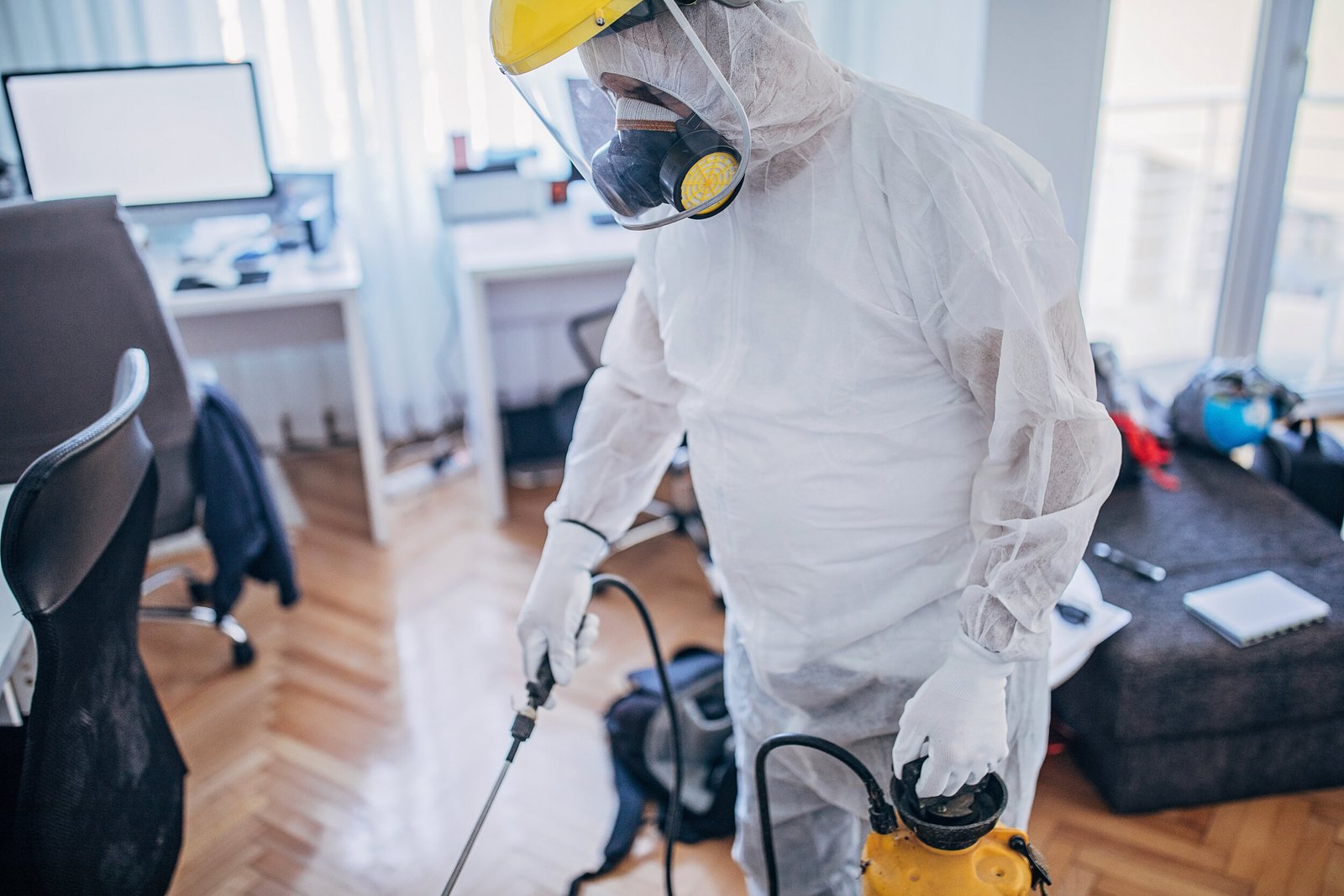
Definition of Disinfection
Disinfection:
Disinfection describes a process that eliminates many or all pathogenic microorganisms, except bacterial spores, on inanimate objects.
Or,
Disinfection is the process, which involves the elimination of most pathogenic microorganisms (excluding bacterial spores) on inanimate objects.
Or,
Disinfection is the freeing of an article from many, but not all microorganisms.
Activity level of disinfectants
1. High level disinfectants: destroy vegetative bacterial cells including M tuberculosis, bacterial endospores, fungi & viruses
2. Intermediate level: destroy all bacteria, fungi & viruses except bacterial endospores
3. Low level: kill bacterial vegetative cells except M tuberculosis, fungi & medium sized lipid- containing viruses but not bacterial endospores or non-lipid viruses
Disinfectants:
Disinfectant (or germicide) is a chemical agent that is applied to inanimate objects to kill microbes capable of producing infection
Or,
These are strong chemicals with higher concentration that are used to destroy the vegetative forms of pathogenic organisms from nonliving objects.
Or,
Disinfectants are substances that are applied to non-living objects to destroy microorganisms that are living on the objects. Disinfectants are substances that are applied to non-living objects to destroy microorganisms that are living on the objects.
Example:
According to Disinfected, there are three major types of disinfectants:
1. Alcohols,
- Isopropyl alcohol and
- Ethanol are examples of alcohols used to disinfect surfaces
2. Chlorine and
3. Aldehydes.
4. Acids and alkalis
5. Formaldehyde
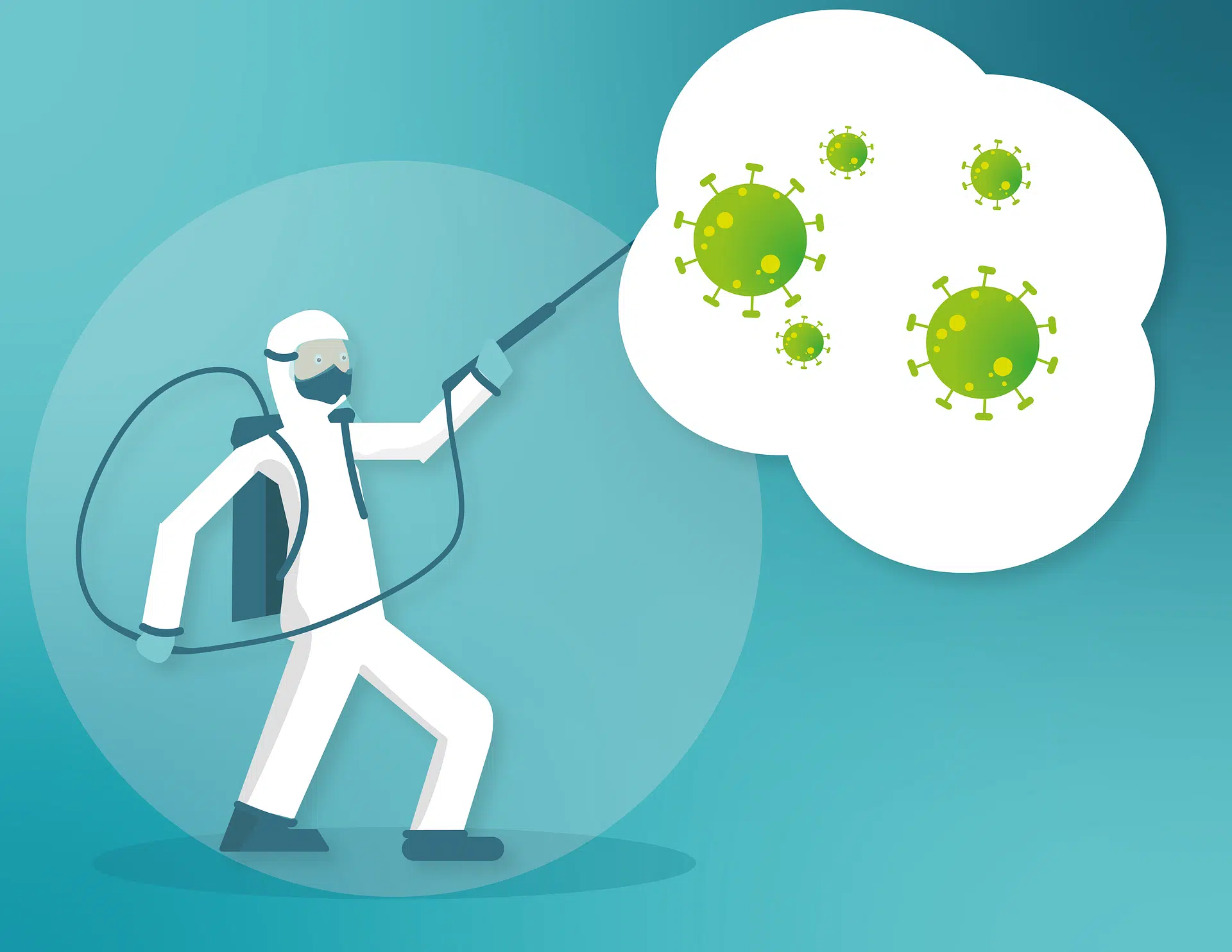
Application of Disinfection:
- Method of disinfection is applied where sterilization is impracticable and not necessary such as sterilization of bed pans, floor and cooking utensils.
- Disinfection of skin around the site of an invasive procedure.
Difference between Sterilization and Disinfection:
| Traits. | Sterilization | Disinfection |
| 1. Definition | Sterilization is the absolute freeing of an article from any microbial burden including spores | Disinfection is the freeing of an article from many, but not all, microorganisms |
| 2. Spore | Destroyed in sterilization | Persist in disinfection |
| 3. Microorganism | Absolute clearance occur | Decrease in number that is no longer harmful for health |
Definition of Decontamination:
Decontamination is a general term for the treatment used to make equipment safe to handle, and includes microbiological, chemical, radioactive and other contamination.
Mechanism of Action of Disinfectants:
- Disruption of the lipid containing cell membrane. (Example- alcohol, detergent, phenol).
- Modification of cellular proteins. (Example: Chlorine, lodine etc.).
- Modification of nucleic acids. (Example- gentian violet).
- Interference with bacterial cell wall.
- Chemical antagonism.
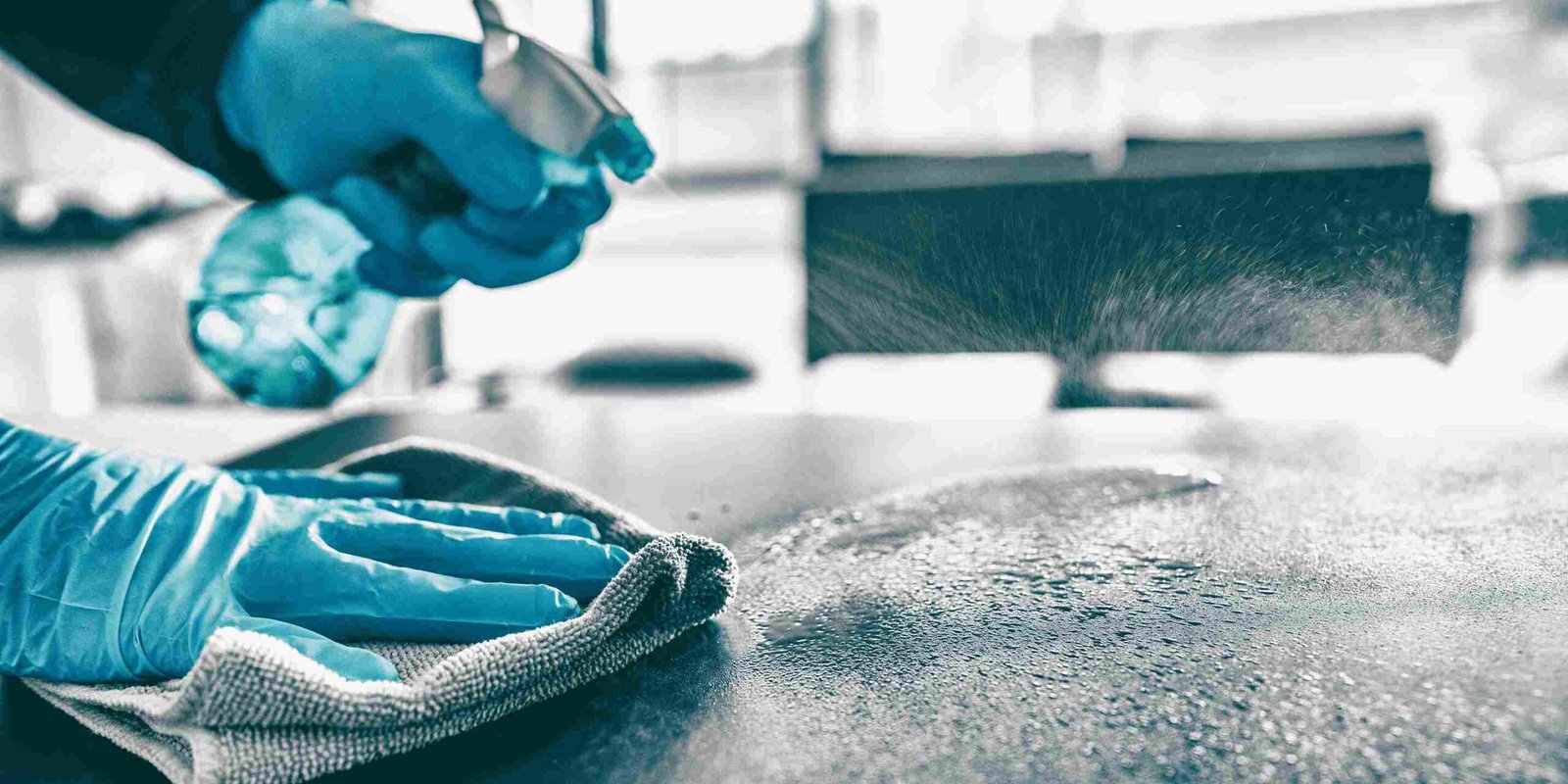
Disinfections of Skin Before Surgery Can Be Done By the Following Ways-
1. Iodophors: using of iodine solution: betadine solution (I₂+ Povidone iodine). The advantages are-
- They are non-irritant
- They do not stain the skin
2. Ethanol/70% alcohol can be used.
3. Iodine in alcoholic solution of 1%-2%.