Cytoplasmic Membrane – Basic microbiology, parasitology, and immunology; nature, reproduction, growth, and transmission of common microorganisms and parasites in Bangladesh; prevention including universal precaution and immunization, control, sterilization, and disinfection; and specimen collections and examination. Students will have an understanding of common organisms and parasites caused human diseases and acquire knowledge about the prevention and control of those organisms.
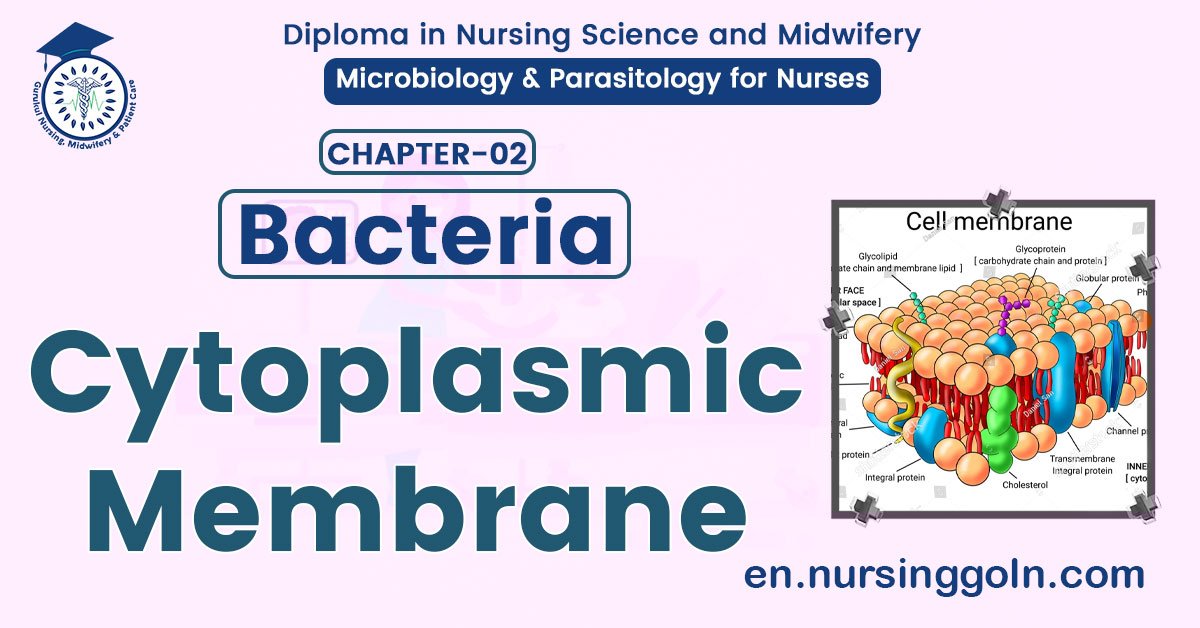
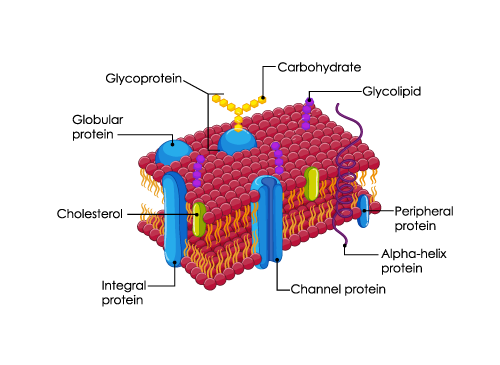
Cytoplasmic Membrane
- Phospholipid bilayer.
- Fatty acids.
Functions of Cytoplasmic Membrane / Cell Membrane:
The membrane has four important functions
- Active transport of molecules into the cell.
- Energy generation by oxidative phosphorylation
- Synthesis of precursors of the cell wall.
- Secretion of enzymes and toxins.
Glycocalyx/Slime Layer
The glycocalyx is a polysaccharide coating that is secreted by many bacteria and covers the surface like a film and allows the bacteria to adhere firmly to various structures, e.g. skin, heart valves & catheters.
Importance of Glycocalyx:
- It mediates adhesion of bacterial cells to the host cells, and thus contributes to bacterial pathogenesis.
Plasmid
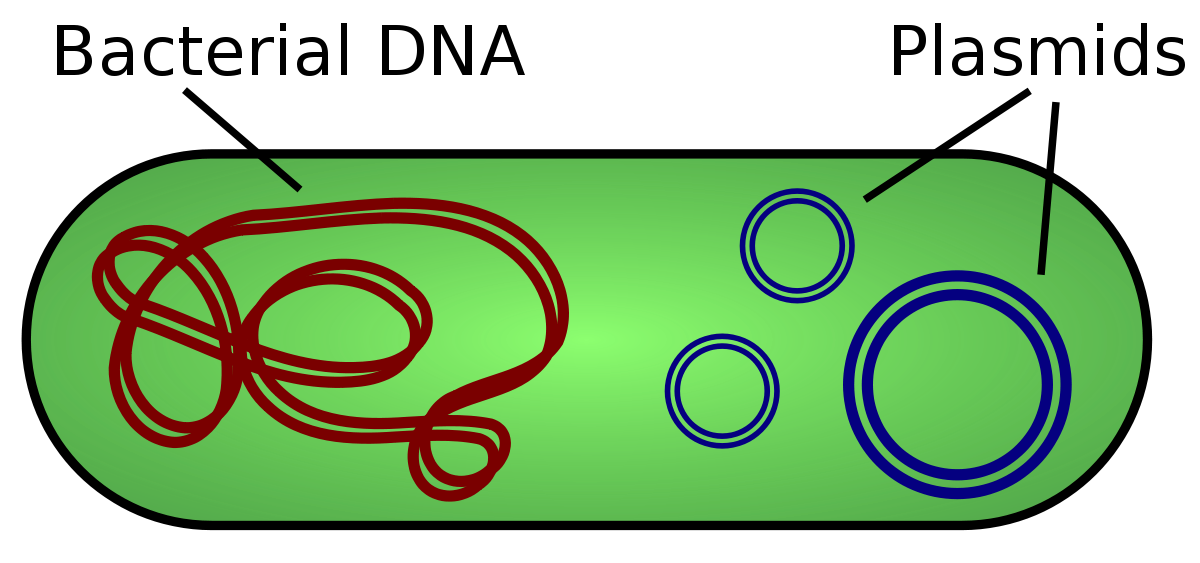
Plasmids are extra-chromosomal double stranded circular DNA molecules that are capable of replicating independently of the bacterial chromosome (i.e. autonomous replication).
Functions/Importance Of Plasmid:
- Contains a variety of genes for antibiotic resistance.
- Contains a variety of genes for exotoxins.
- Resistance to heavy metals such as Hg, Ag by reductase enzyme.
- Resistance to UV light by DNA repair enzyme.
- Synthesis of sex pili
Role of Plasmid in Development of Antibiotic Resistance:
- Plasmids encode gene for some enzymes that can destroy a particular drug.
Example: lactamase enzyme destroy the B-lactam ring containing drugs, e.g. penicillins, cephalosporins etc. - Plasmid encodes gene called resistance factor (R-factor), which control the formation of enzyme capable of altering function of a drug.
- Plasmid genes control the formation of enzymes capable of altering structure of some drugs. Example: aminoglycoside phosphorylase alters the structure of aminoglycosides.
- Plasmid encodes the gene for sex pili. Through sex pili drug resistant genes are transformed bacterium to another.
- Plasmid encodes the genes for some transport proteins which mediate drug resistance.
Types of Plasmids:
Transmissible plasmids – Transmissible plasmids can be transferred from cell to cell by conjugation. They are large (MW40-100 million), since they contain about a dozen genes responsible for synthesis of the sex pilus and for the enzymes required for transfer. They are usually present in a few (one to three) copies per
Non-transmissible plasmids – Non-transmissible plasmids are small (MW 3-20 million), since they do not contain the transfer genes, they are frequently present in many (10-60) copies per cell.
Pili/Fimbria
Pili are short hair-like filaments that extend from the cell surface and composed of glycoproteins (pilins).
Types of Pili:
- Ordinary pili &
- Sex pili.
Some Piliated Bacteria:
- Escherichia coli
- Salmonella species.
- Shigella
- Proteus
- Pathogenic strains of Neisseria gonorrhoeas
- Klebsiella
Functions/Importance of Pili/Role of Pili in Bacterial Pathogenesis:
- Helps in adhesion of bacteria to host cell surface,
- Sex pili help in transfer of genetic material from donor to recipient bacteria during conjugation.
- Transfer of genes of drug resistance from one bacteria to another.
- Antigenicity of the pili: So, identification of bacteria can possible by detecting this antigenicity.