ACE Inhibitor – This book covers the entire syllabus of “Pharmacology” prescribed by BNMC- for diploma in nursing science & midwifery students. We tried to accommodate the latest information and topics. This book is an examination setup according to the teachers’ lectures and examination questions.
At the end of the book, previous questions are given. We hope in touch with the book students’ knowledge will be upgraded and flourish. The unique way of presentation may make your reading of the book a pleasurable experience.
ACE Inhibitor
Angiotensin converting enzyme (ACE) inhibitors are:
- Captopril
- Enalapril
- Lisinopril
- Ramipril
- Saralasin
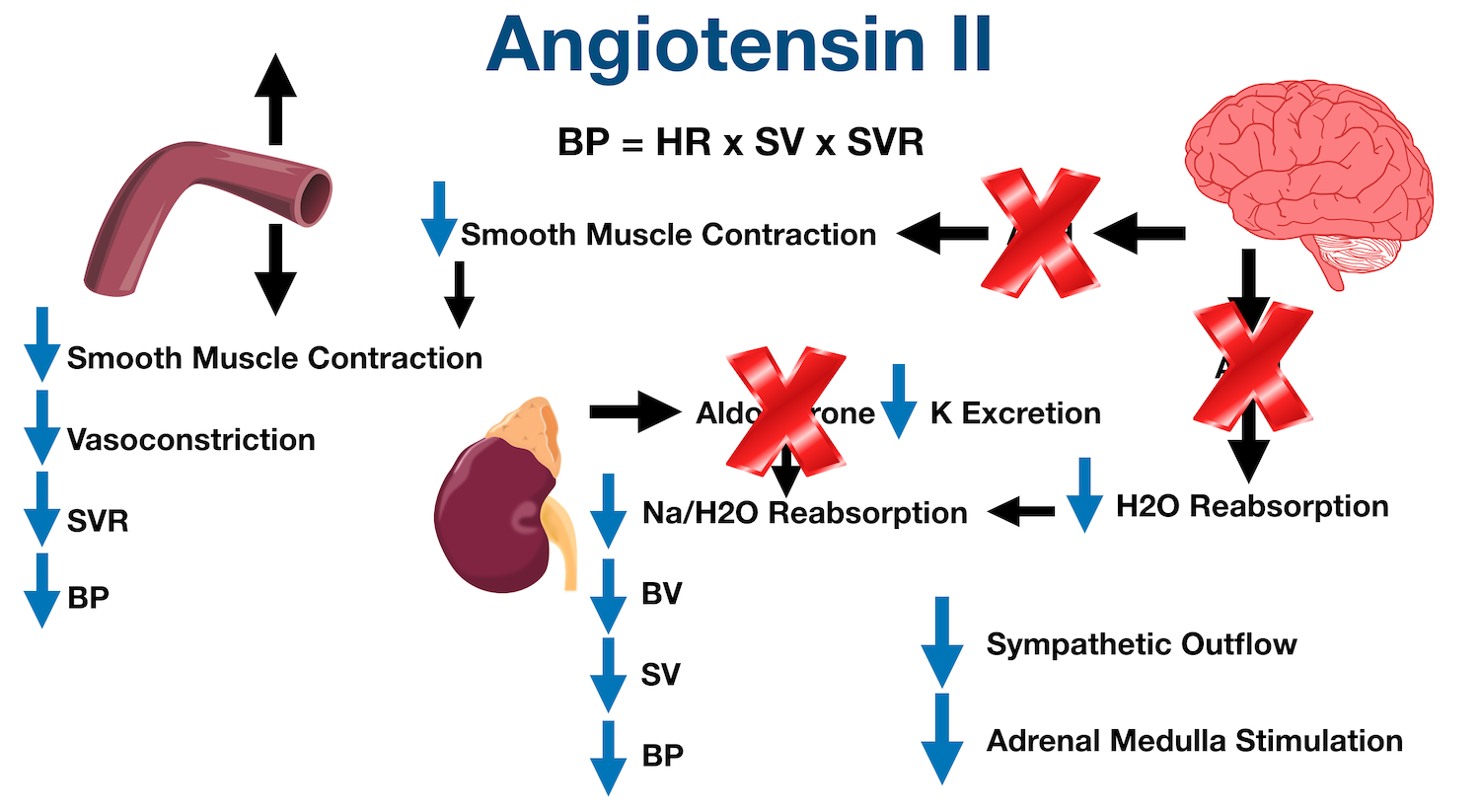
a) ACE inhibitors are indirectly acting vasodilators; inhibit angiotensin converting enzyme (ACE). So prevent conversion of angiotensin-I to angiotensin-II
b) Acts preferentially on angiotensin sensitive vascular bed (kidney, heart and brain).
c) Pharmacological actions of ACE inhibitors are:
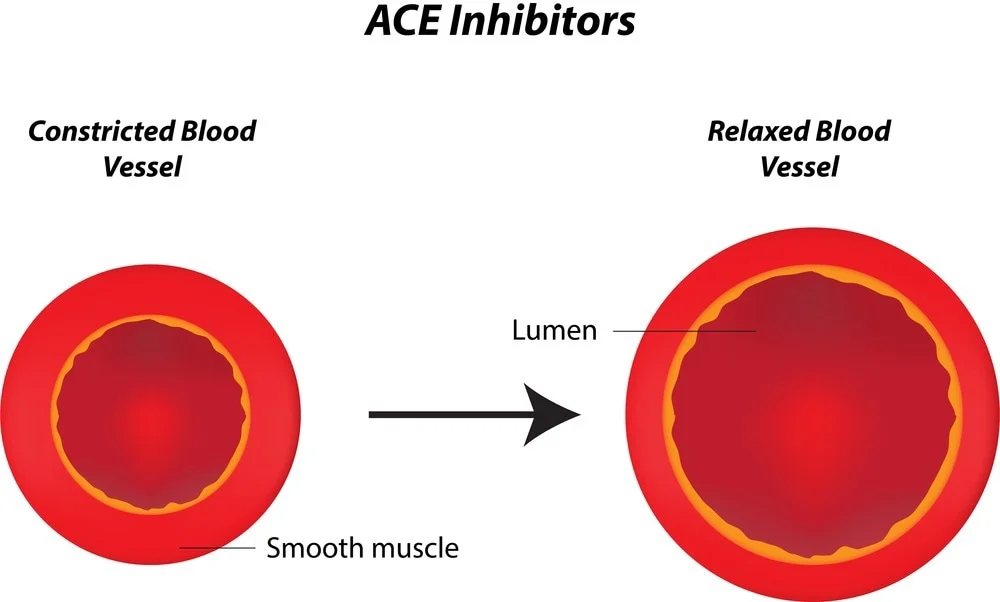
- Vasodilatation (reduction of PR)
- Reduce preload and afterload (used in CCF)
- Reduction of aldosterone secretion; so, reduce salt and water retention.Desired increase in renal blood flow.
d) ACE-I are the drugs of choice in case of hypertensive ventricular failure where other anti-hypertensives (B-blockers, Ca++ antagonists) are contraindicated.
Indications of ACE inhibitors
1. Hypertension:
- Renovascular hypertension (due to excess renin)
- Malignant hypertension.
- Hypertensive crisis of scleroderma.
- Dialysis resistance hypertension in end-stage renal failure
- Refractory heart failure (CCF)
2. Ischemic heart disease.
Adverse effects of ACE inhibitors
1) First dose hypotension.
2) Dry cough.
3) Angioneurotic oedema.
4) Hyperkalaemia.
5) Loss of appetite.
6) Stomatitis
7) Abdominal pain
8) Neutropenia
9) Proteinuria
10) Blood disorders.
Contraindication of ACE inhibitors
1) Systolic blood pressure <100 mm Hg.
2) Bilateral renal artery stenosis (renal failure develops)
3) Second and third trimester of pregnancy.
4) Renal failure.
Important drug interactions ACE-I + Frusemide ACE-I: Causes hyperkalaemia Furosemide: Causes hypokalaemia. So, one drug compensates the adverse effects of other. ACE-I + Spironolactone: Hyperkalaemia develops. ACE-I + NSAIDs: Aspirin impairs the hyporensive effect of ACE inhibitor by blocking bradykinin mediated vasodilatation.
Beneficial actions of ACE-I than anti-hypertensive effects
1. In congestive cardiac failure:
a) Reduce preload and afterload
b) Regression of left ventricular hypertrophy.
c) Improve resting cardiac performance.
d) Slow the rate of ventricular dilatation and thus delay the onset of clinical CCF.
2. In diabetic patient:
a) Improve intra-renal perfusion.
b) Diminishing proteinuria.
c) Decreased glomerular efferent arteriolar resistant & a resulting reduction of intraglomerular capillarypressure. Thus ACE-I protect against renal vascular injury in diabetes.