Antisepsis and antiseptics – Nursing is a profession within the healthcare sector focused on the care of individuals, families, and communities so they may attain, maintain, or recover optimal health and quality of life. Nurses may be differentiated from other healthcare providers by their approach to patient care, training, and scope of practice. Nurses practice in many specialisms with differing levels of prescriber authority.
Many nurses provide care within the ordering scope of physicians, and this traditional role has shaped the public image of nurses as care providers. However, nurses are permitted by most jurisdictions to practice independently in a variety of settings depending on training level. In the postwar period, nurse education has undergone a process of diversification towards advanced and specialized credentials, and many of the traditional regulations and provider roles are changing.
Nurses develop a plan of care, working collaboratively with physicians, therapists, the patient, the patient’s family, and other team members, that focus on treating illness to improve quality of life. Nurses may help coordinate the patient care performed by other members of an interdisciplinary healthcare team such as therapists, medical practitioners, and dietitians. Nurses provide care both interdependently, for example, with physicians, and independently as nursing professionals.
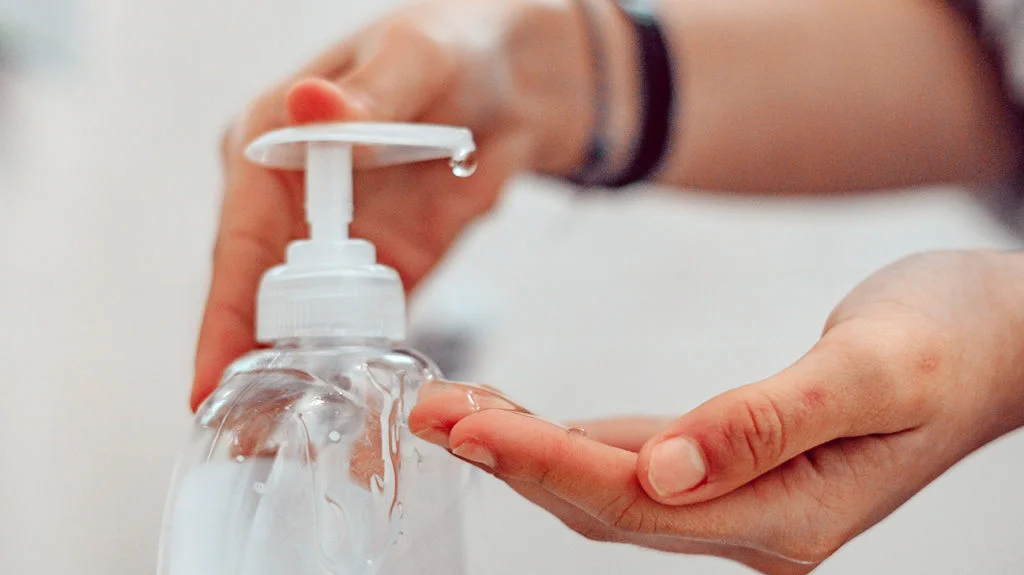
Antisepsis and antiseptics
Antisepsis:
Antisepsis is the process of inhibiting the growth and multiplication of microorganisms
Or,
Antisepsis is the process of destruction of all vegetative forms of pathogenic organisms from living surface.
Antiseptic:
Antiseptic typically is a chemical agent that is applied to living tissue to kill or inhibit growth of microbes which is less powerful than disinfectants.
Or,
Antiseptics are antimicrobial substances that are applied to living tissue/skin to reduce the possibility of infection, sepsis.
(Source-enwikepedia.com)
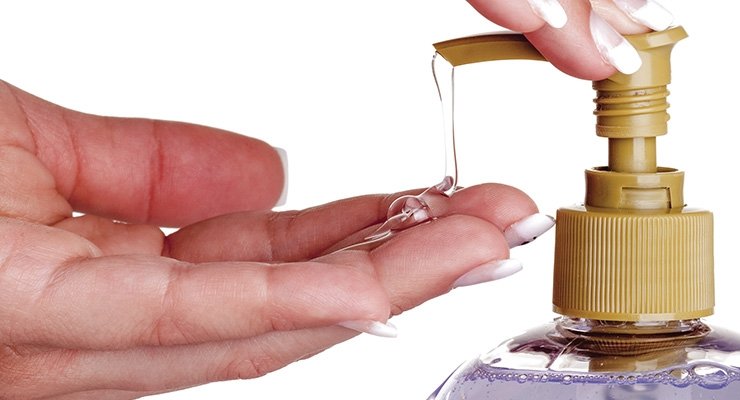
Example:
- Povidone iodine
- Hydrogen peroxide
- Cresol, Lysol
- Chlorhexidine
- Dettol
- Savlon
- Ethanol
- Acriflavine
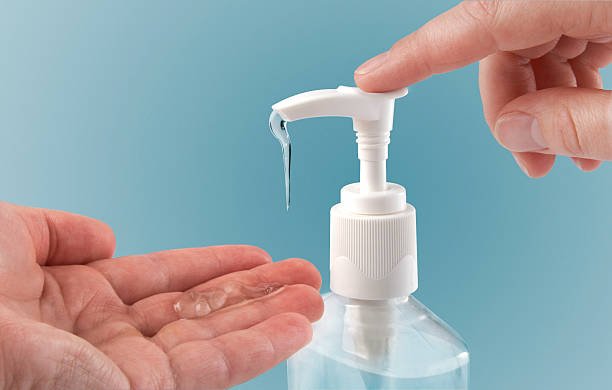
Difference between Antiseptics and Disinfectant
| Traits | Antiseptic | Disinfectant |
| Strength of chemicals | Mild chemicals. Used in lower concentration. | Strong chemicals. Used in higher concentration. |
| Used for | Living surface. Example: Skin and Mucous membrane. | Non-living surface/objects Example: Floor, bed, pan etc. |
| Mode of action | Prevent the growth or kill the microorganisms | Kill the microorganisms except spore. |
| Irritant or harmful | Not irritant to living surface. It is not harmful to the body. | Irritant and injurious to living surfaces |
| Example | Cresol (Lysol), Chlorhexidine, Dettol, Savlon, Povidone iodine etc. | Acids & alkalis, Formaldehyde, Gluteraldehyde, Bleaching powder etc. |