Behavioral assessment – This course is designed to understand the care of pregnant women and newborn: antenatal, intra-natal and postnatal; breast feeding, family planning, newborn care and ethical issues, The aim of the course is to acquire knowledge and develop competencies regarding midwifery, complicated labour and newborn care including family planning.
Behavioral assessment
Behavioral assessment
Behavioral assessment is a method used in the field of psychology to observe, describe, explain, predict and sometimes correct behavior. Behavioral assessment can be useful in clinical, educational and corporate settings.
Behavioral assessment
At first the baby doesn’t distinguish night from day & spends day & night sleeping, waking, crying, feeding & sleeping again throughout the 24 hours, but sleeping most of the time. By this time he is 4 or 5 weeks old he is usually sleeping longer at night & more wakeful in the day time; up to this time & he usually requires night feed. The baby will develop an organized pattern of sleep by the age of 16 weeks (Matsuoka et alo 1991).
A baby’s primary needs are for food, fluid, Sleep, warmth, security, & love. His method of expressing those needs is crying, which is signal to the carer to communicate with the baby through recognizing the cry & meeting the need.
Brazelton neonatal behavioral assessment scale (BNBAS)
An assessment tool that can be used to measure certain aspects of infant behavior and identify individual differences in infant behavior. It can be used as a diagnostic tool for neurologic impairment or to teach parents the unique social and interactive capabilities of their newborn. The scale is designed for infants from birth to 1 month of age.
Brazelton neonatal behavioral assessment scale (BNBAS) is done for
- Used to evaluate the effects of low birth weight on premature infants.
- Used it to study the effects of cocaine use in pregnancy.
- Prenatal alcohol exposure.
- Prenatal Iron deficiency.
- Prenatal maternal mood.
- Prenatal maternal dopamine levels.
- Environmental agents.
- Parent-infant attachment.
- Gender differences in newborns.
- High-risk neonates.
Brazelton neonatal behavior assessment scale
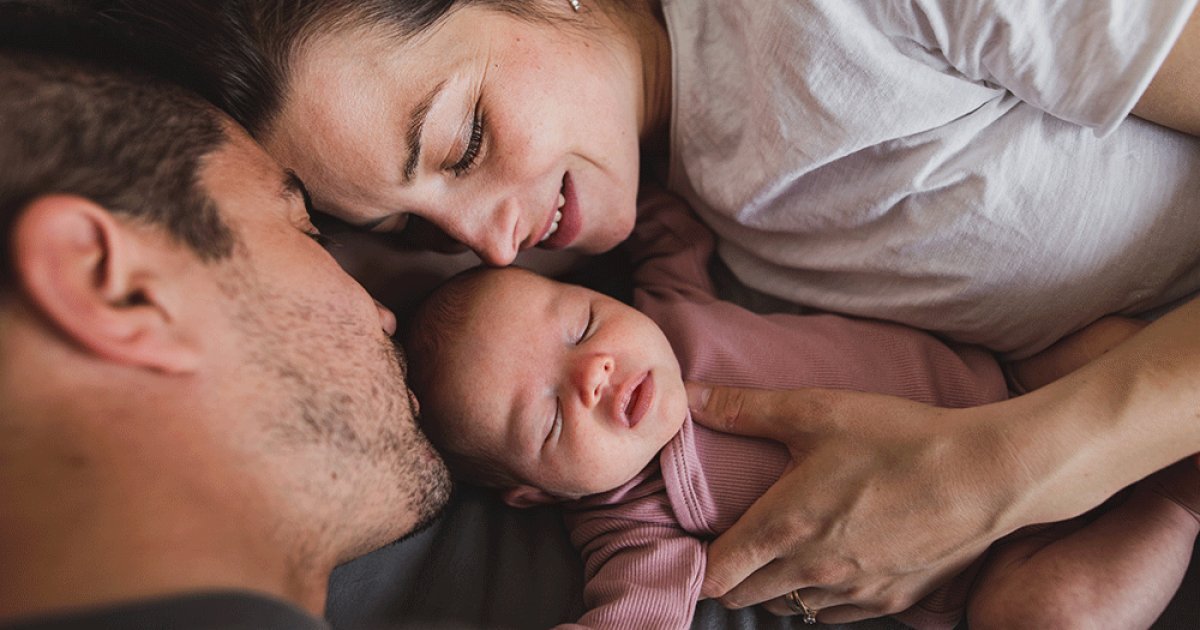
Brazelton’s research during the past two decades has changed the way health care personnel think about a newborn infant’s capabilities. Previously, neonates were thought to be passive receivers of environmental stimuli. It is now known that the normal full-term infant can influence the amount of stimuli intake and the care giver’s responses (Brazelton-1984). The Brazelton scale consists of 28 items in 7 categories. The Brazelton’s neonatal behavioral assessment scale is as follows:
1. Habituation: Infant’s ability to decrease response to external stimuli (bright light, rattle, bell and tactile stimulation in the foot)
2. Orientation: Infant’s ability to attend to, focus on and interact with animate and inanimate stimuli (auditory and visual).
3. Motor performance: Infant’s ability to organize and control motor activity.
4. Range of state: State of consciousness during the entire examination period.
5. Regulation of state: Infant’s self-quieting abilities.
6. Autonomic-regulation: Skin colour
7. Reflexes: Primary neonatal reflexes.