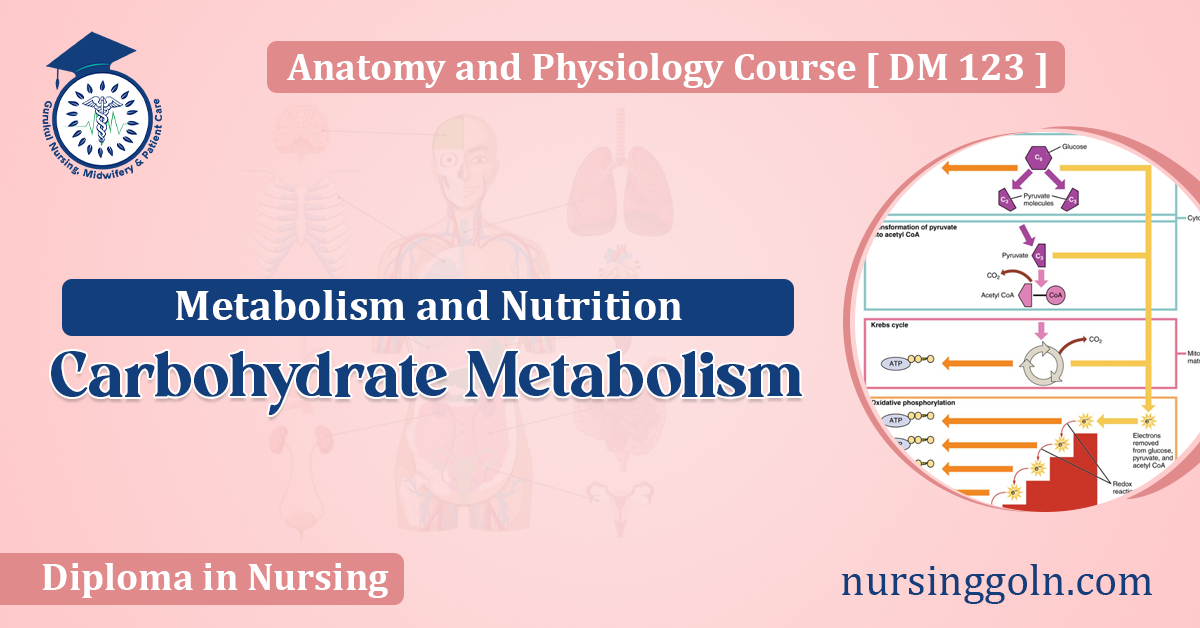
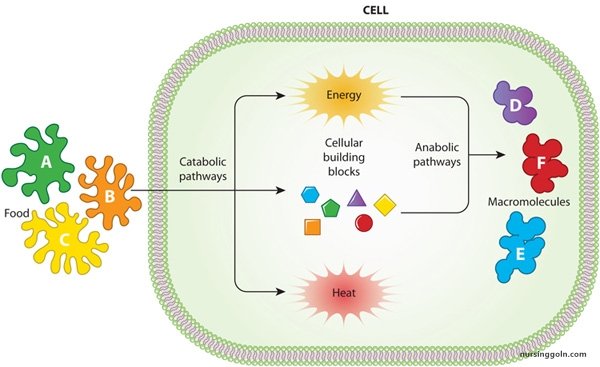
Today our topic of discussion is ” Carbohydrate Metabolism “. Carbohydrate metabolism is a fundamental aspect of human biology, representing the processes by which carbohydrates, primarily glucose, are broken down and transformed into energy for the body’s various functions.
This intricate system of metabolic reactions is essential for maintaining energy balance, providing fuel for cellular processes, and ensuring overall health. In this comprehensive article, we will explore the fascinating world of carbohydrate metabolism, from the digestion of carbohydrates in the gastrointestinal tract to the utilization of glucose in various tissues and its role in overall metabolic health.
Carbohydrate Metabolism: Metabolism and Nutrition
1. Introduction to Carbohydrates
Carbohydrates are one of the three macronutrients essential for human nutrition, alongside fats and proteins. They serve as the primary source of energy for the body, providing the fuel necessary for cellular processes, physical activity, and vital organ functions. Carbohydrates are organic compounds made up of carbon, hydrogen, and oxygen atoms and can be found in various forms in the diet, including sugars, starches, and dietary fiber.
2. Dietary Carbohydrates: Types and Sources
Dietary carbohydrates can be classified into three main categories:
a. Simple Carbohydrates (Sugars)
Simple carbohydrates, often referred to as sugars, consist of one or two sugar units. Examples include glucose, fructose, and sucrose (table sugar). These sugars are readily absorbed and provide a quick source of energy.
b. Complex Carbohydrates (Starches)
Complex carbohydrates are composed of multiple sugar units linked together. They are commonly found in foods like grains, legumes, and starchy vegetables. Starches provide a more sustained release of energy due to their longer digestion and absorption process.
c. Dietary Fiber
Dietary fiber is a type of carbohydrate that is not digested in the human small intestine. Instead, it passes through the digestive system largely intact. Fiber is essential for digestive health and may help regulate blood sugar levels and promote feelings of fullness.
3. Carbohydrate Digestion: The Journey Begins
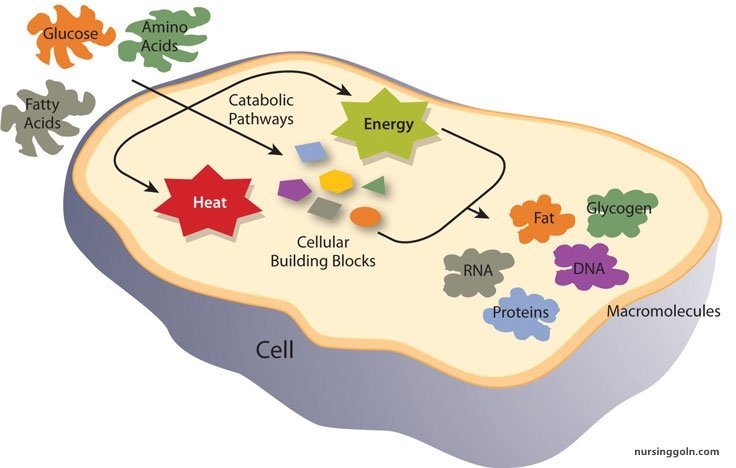
The process of carbohydrate metabolism begins with the digestion of carbohydrates in the gastrointestinal tract. This journey is facilitated by various enzymes and transporters:
a. Digestion in the Mouth
Carbohydrate digestion begins in the mouth with the enzyme amylase, found in saliva. Amylase starts breaking down complex carbohydrates into smaller sugar molecules, such as maltose.
b. Digestion in the Stomach
While the acidic environment of the stomach halts amylase activity, it has little impact on carbohydrate digestion. The partially digested carbohydrates continue to the small intestine.
c. Digestion in the Small Intestine
The majority of carbohydrate digestion takes place in the small intestine. The pancreas secretes pancreatic amylase, which further breaks down complex carbohydrates into maltose, maltotriose, and alpha-limit dextrins. Additionally, enzymes in the brush border of the small intestine, like sucrase, maltase, and lactase, further break down disaccharides (sucrose, maltose, lactose) into their constituent monosaccharides (glucose, fructose, and galactose).
d. Absorption of Monosaccharides
The monosaccharides (glucose, fructose, and galactose) are absorbed into the bloodstream through the lining of the small intestine. They are then transported to the liver for further processing.

4. Glucose Homeostasis: Maintaining Blood Sugar Levels
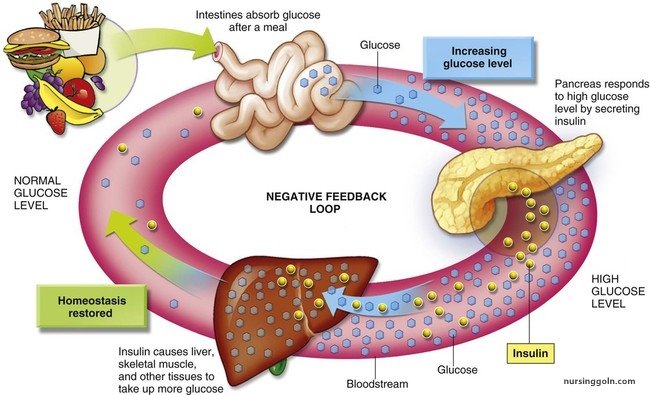
Blood glucose (sugar) levels are tightly regulated to ensure a continuous supply of energy to body tissues and prevent hyperglycemia (high blood sugar) or hypoglycemia (low blood sugar). The pancreas plays a central role in glucose homeostasis.
a. Insulin
When blood sugar levels rise after a meal, the pancreas releases the hormone insulin. Insulin facilitates the uptake of glucose by cells, primarily in muscle and adipose tissue, where it can be used for energy or stored as glycogen (a form of stored glucose).
b. Glucagon
In contrast, when blood sugar levels drop between meals, the pancreas releases glucagon. Glucagon promotes the breakdown of glycogen in the liver and the release of glucose into the bloodstream, raising blood sugar levels.
c. Glycogen Storage
Excess glucose is stored in the liver and muscles as glycogen. This stored glucose can be mobilized to meet energy demands between meals or during physical activity.
5. The Fate of Glucose: Energy Production
Glucose is a versatile molecule and can be used for several purposes within the body:
a. Glycolysis
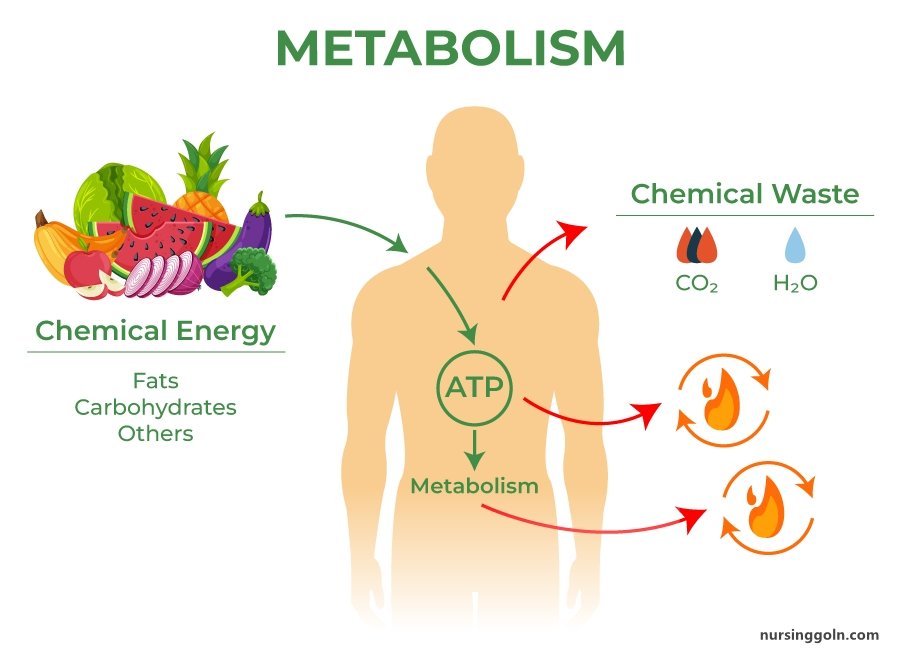
Glycolysis is the initial step in the breakdown of glucose. It occurs in the cytoplasm and results in the production of ATP and reduced electron carriers (NADH). While glycolysis is essential for energy production, it does not fully extract all the energy from glucose.
b. Citric Acid Cycle (Krebs Cycle)
The citric acid cycle takes place in the mitochondria and is the second stage of glucose metabolism. During this cycle, acetyl-CoA derived from glucose is further oxidized, leading to the production of ATP, NADH, and FADH2.
c. Electron Transport Chain (ETC)
The electron transport chain, also located in the mitochondria, is the final stage of glucose metabolism. In this process, electrons from NADH and FADH2 are transported through a series of protein complexes, generating a proton gradient and facilitating the synthesis of ATP in a process known as chemiosmosis.
6. Storage and Release of Glycogen
The body has a limited capacity to store glucose in the form of glycogen in the liver and muscles. When blood sugar levels are elevated, excess glucose is converted into glycogen for storage. During periods of fasting or physical activity, glycogen is broken down into glucose and released into the bloodstream, helping to maintain stable blood sugar levels.
7. Gluconeogenesis: Glucose Synthesis
In some situations, when glucose is in short supply, the body can produce its own glucose through a process called gluconeogenesis. This typically occurs in the liver and involves converting non-carbohydrate precursors, such as amino acids and glycerol, into glucose.
8. The Brain’s Reliance on Glucose
The brain is highly dependent on a constant supply of glucose to function properly. While other tissues can utilize alternative fuel sources, such as fatty acids, the brain’s energy needs are primarily met by glucose. During periods of fasting, the body can generate glucose through gluconeogenesis to ensure the brain’s energy requirements are met.
9. Carbohydrate Metabolism and Exercise
Carbohydrates play a critical role in physical activity and exercise. The body relies on glucose and glycogen stores to fuel muscles during high-intensity exercise. Endurance athletes often consume carbohydrates to maintain energy levels during prolonged physical activity.
10. Carbohydrate Metabolism Disorders and Conditions
Several disorders and conditions can disrupt carbohydrate metabolism, including:
a. Diabetes Mellitus
Diabetes mellitus is a group of metabolic disorders characterized by high blood sugar levels. It is primarily caused by inadequate insulin production (Type 1 diabetes) or resistance to insulin’s effects (Type 2 diabetes).
b. Hypoglycemia
Hypoglycemia is characterized by abnormally low blood sugar levels and can result from factors such as excessive insulin, certain medications, or medical conditions. Symptoms include dizziness, confusion, and, in severe cases, loss of consciousness.
c. Metabolic Syndrome
Metabolic syndrome is a cluster of conditions that increase the risk of heart disease, stroke, and type 2 diabetes. It includes high blood pressure, high blood sugar, excess body fat, and abnormal cholesterol levels.
11. Carbohydrate Metabolism and Nutrition
Proper nutrition is essential for supporting healthy carbohydrate metabolism:
a. Balanced Diet
Consuming a balanced diet that includes a variety of carbohydrates, such as fruits, vegetables, whole grains, and legumes, is important for providing the body with essential nutrients and maintaining stable blood sugar levels.
b. Portion Control
Managing portion sizes and caloric intake helps prevent overconsumption of carbohydrates, which can lead to weight gain and disrupted blood sugar regulation.
c. Glycemic Index (GI)
Understanding the glycemic index of foods can help individuals make informed choices about carbohydrate consumption. Low-GI foods are digested more slowly, leading to a gradual rise in blood sugar levels.
d. Physical Activity
Regular physical activity enhances the body’s ability to manage blood sugar levels and use glucose for energy, reducing the risk of metabolic disorders.
Carbohydrate metabolism is a central process in human biology, providing the energy necessary for all cellular functions and physical activities. Understanding the journey of carbohydrates from digestion in the gastrointestinal tract to their utilization in various tissues and their role in glucose homeostasis is crucial for maintaining overall metabolic health.
Balanced nutrition, portion control, and physical activity are key factors in supporting proper carbohydrate metabolism and preventing metabolic disorders like diabetes, hypoglycemia, and metabolic syndrome. As the primary source of energy for the body, carbohydrates are the fuel that keeps the intricate machinery of human biology in motion.