Local practices for maintenance of health and care of the sick – Behavioral sciences explore the cognitive processes within organisms and the behavioral interactions between organisms in the natural world. It involves the systematic analysis and investigation of human and animal behavior through the study of the past, controlled and naturalistic observation of the present and disciplined scientific experimentation and modeling.
It attempts to accomplish legitimate, objective conclusions through rigorous formulations and observation. Generally, behavior science deals primarily with human action and often seeks to generalize about human behavior as it relates to society.
Local practices for maintenance of health and care of the sick
Culture Influence Health & Disease:
1. Culture is a pattern of ideas, customs and behaviors shared by a particular people or society. It is constantly evolving.
2. The speed of cultural evolution varies. It increases when a group migrates to and incorporates components of a new culture into their culture of origin.
3. Children often struggle with being ‘between cultures’- balancing the ‘old’ and the ‘new’. They essentially belong to both, whereas their parents often belong predominantly to the ‘old’ culture.
4. One way of thinking about cultures is whether they are primarily ‘collectivist’ or ‘individualist’. Knowing the difference can help health professionals with diagnosis and with tailoring a treatment plan that includes a larger or smaller group.
5. The influence of culture on health is vast. It affects perceptions of health, illness and death, beliefs about causes of disease, approaches to health promotion, how illness and pain are experienced and expressed, where patients seek help, and the types of treatment patients prefer.
6. Both health professionals and patients are influenced by their respective cultures. Canada’s health system has been shaped by the mainstream beliefs of historically dominant cultures.
7. Cultural bias may result in very different health-related preferences and perceptions. Being aware of and negotiating such differences are skills known as ‘cultural competence’. This perspective allows care providers to ask about various beliefs or sources of care specifically, and to incorporate new awareness into diagnosis and treatment planning.
8. Demonstrating awareness of a patient’s culture can promote trust, better health care, lead to higher rates of acceptance of diagnoses and improve treatment adherence.
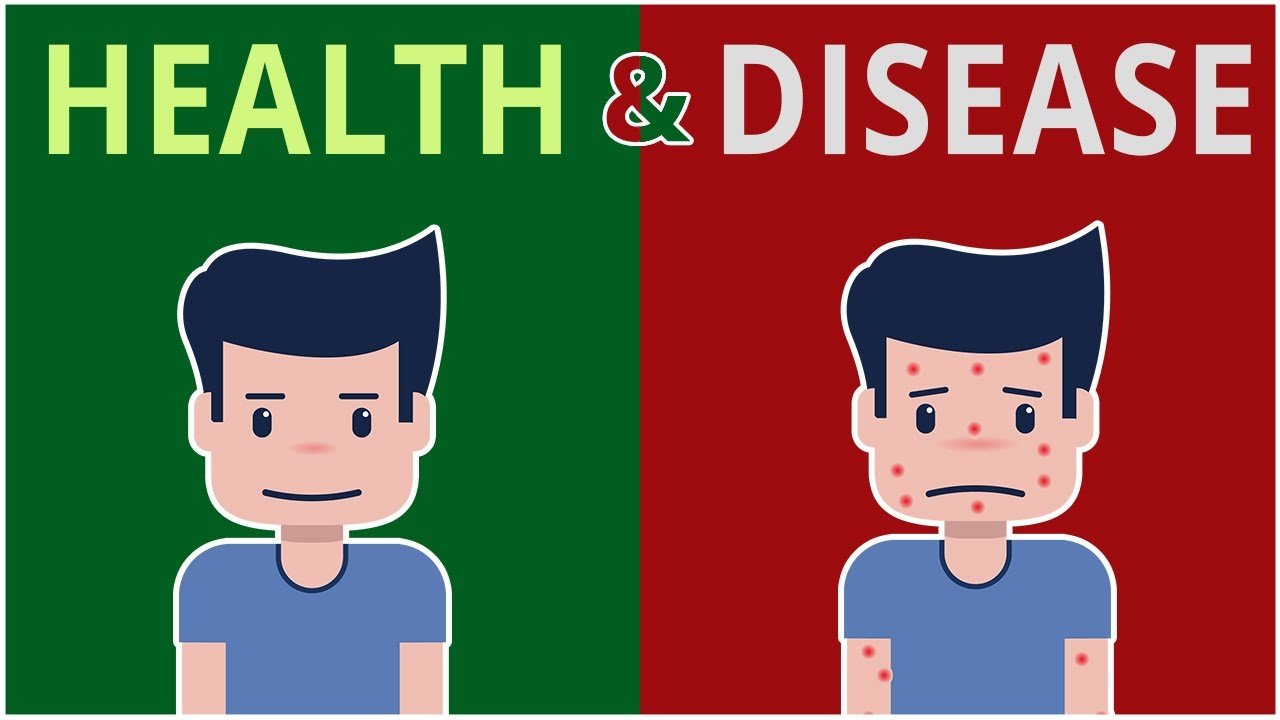
Cultural Practice/Beliefs Related to Health, Illness and Care of Sick Person
- Getting up early in the morning and taking bath.
- Early to bed and early to rise (in the morning).
- Drinking tulsi water every day will keep the body healthy.
- Drinking water stored in the copper vessels.
- By keeping jasmine flower, over the breast of the postnatal women will suppress the secretion of milk and consumption of garlic will produce more milk in lactating mother.
- Circumcision of the male child is a cultural trait commonly observed in muslim families, is one way to prevent urinary tract infection.
- Occurrence of chicken pox, measles, mumps are due to the curse of the goddess and the affected child is bathed with neem leaves and taken to the place of worship and isolation will be followed.
- In a chicken pox affected chickens family keeping the neem leaves at the entrance, prevents the spreading of the disease to the neighbour hood.
- Giving iron object during convulsion period will reduce the intensity of fits.
- Eating papaya fruit during the first trimester and last trimester will induce abortion and premature delivery.
- After burn injury applying honey will induce better healing process.
- Pardha system by muslim women still followed which causes vitamin D deficiency.
- Wearing gold ornaments below waist level in prohibited.
- Cleaning of the house, taking hygienic care and putting rangoli in front of the house, offering pooja will give blessing for the entire family.
- Women should not lie in supine position while in the group.
- Doing meditation will increase concentration and attention.
- Mental illness can be treated by placing the client in the Masjid and specialized temples.
- Outreach families are not following contraceptive devices setting that children are god’s gift.
- Polygyny is accepted social phenomena in certain religion.
- Untouched ability by the forward caste people in a social stigma.
- Male child is preferred by the Hindu parents as they believe that the son will perform their last nights.
- Respecting and following instruction of the older will bless the younger generation.
- During the time of stress, the individual appeals to the god to get moral support and protection.
- Wearing of food wear inside the house is prohibited by some castes.