Chemistry is the study of matter and the changes it undergoes, and at the heart of these changes lies the concept of chemical bonds. These bonds are the forces that hold atoms together to form molecules, and understanding them is key to deciphering the intricate mosaic of life at the molecular level. In this article, we will explore the fascinating realm of chemical bonds and their significance in the chemical level of organization.
1. Introduction: What is a Chemical Bond?
A chemical bond is the force of attraction between two or more atoms that allows them to combine and form molecules. These bonds result from the interactions between the electrons of the bonding atoms. Depending on the nature of the interaction, chemical bonds can be broadly categorized into three main types: covalent, ionic, and metallic bonds.
2. Covalent Bonds
A covalent bond is formed when atoms share electrons. This sharing helps the involved atoms achieve a full set of valence electrons, fulfilling the octet rule for most elements (helium being an exception, as it only requires two electrons).
2.1 Types of Covalent Bonds
- Single Covalent Bonds: When one pair of electrons is shared between two atoms, it’s called a single covalent bond. For example, the bond in a hydrogen molecule (H2) is single covalent.
- Double and Triple Covalent Bonds: When two or three pairs of electrons are shared, respectively, they form double or triple covalent bonds. The oxygen molecule (O2) contains a double bond, while nitrogen (N2) showcases a triple bond.
2.2 Polar and Non-polar Covalent Bonds
The nature of electron sharing can lead to two scenarios:
- Non-polar Covalent Bonds: Here, electrons are shared equally between the two bonding atoms, leading to a balanced distribution of charge. For example, the bond in a hydrogen molecule is non-polar.
- Polar Covalent Bonds: When atoms of different electronegativities share electrons, it results in an uneven distribution, creating a positive and negative pole. Water (H2O) is an example of a molecule with polar covalent bonds.
3. Ionic Bonds
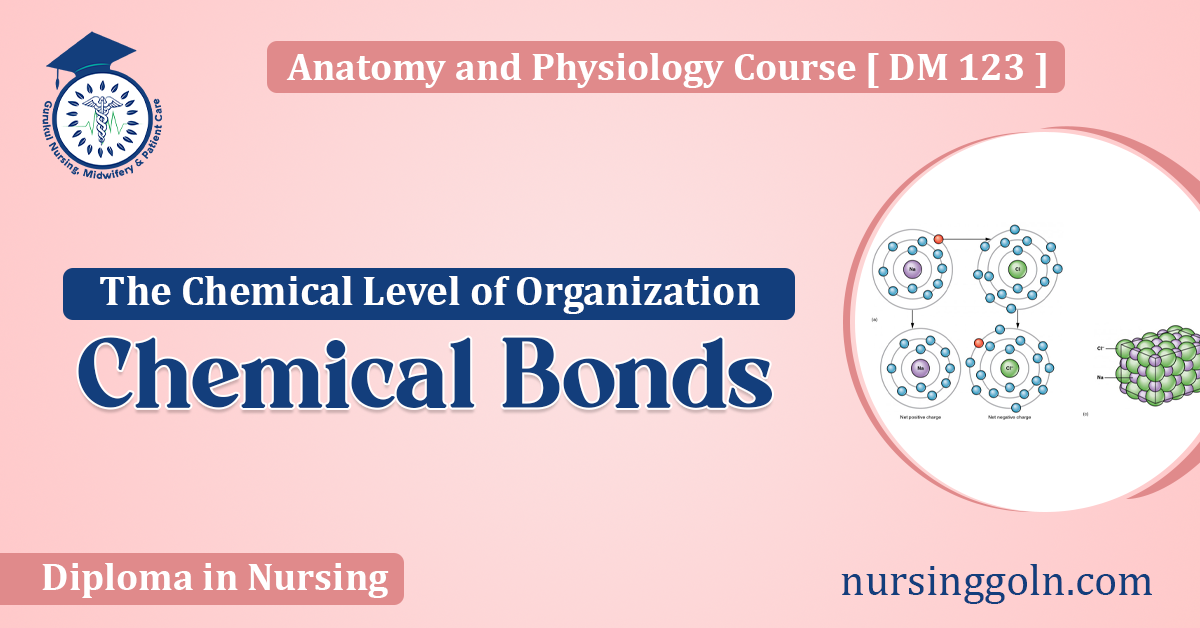
Ionic bonds form when electrons are transferred from one atom to another. This transfer leads to the creation of positively charged ions (cations) and negatively charged ions (anions). The electrostatic force of attraction between these oppositely charged ions results in an ionic bond.
For instance, in the formation of table salt (NaCl), sodium (Na) donates an electron to chlorine (Cl). This results in the creation of Na+ (cation) and Cl- (anion), which are held together by ionic bonding.
4. Metallic Bonds
In metallic bonds, atoms within metals pool their electrons into a ‘sea’ of electrons that move freely. This delocalization of electrons provides metals with their characteristic properties such as malleability, conductivity, and luster.
5. Hydrogen Bonds and Van der Waals Interactions
While not as strong as primary chemical bonds like covalent or ionic bonds, these secondary interactions play vital roles in determining molecular structure and function, especially in biological systems.
- Hydrogen Bonds: A type of attractive interaction between a hydrogen atom (from a molecule) and an electronegative atom (like oxygen, nitrogen, or fluorine). It is most famously recognized in the structure of DNA and the properties of water.
- Van der Waals Interactions: These are weak forces resulting from transient shifts in electron density in molecules. They play crucial roles in molecular stacking and are especially important in protein structure and function.
6. Chemical Bonds and the Organization of Life
On the chemical level, life is organized in a highly sophisticated manner. Chemical bonds and their characteristics largely influence this organization.
- Molecular Shape and Function: The type and arrangement of chemical bonds determine the shape of a molecule. In biology, form often dictates function. For instance, the helical shape of DNA – a result of hydrogen bonding – is crucial for its role in genetic information storage.
- Energy and Metabolism: Chemical bonds store energy. The breaking and forming of these bonds during metabolic reactions release or consume energy, driving life’s processes.
- Signal Transduction: Many signaling molecules function based on the recognition of shapes and charges, which are determined by underlying chemical bonds.
7. Conclusion
Chemical bonds, in their myriad forms, are the foundation of the universe’s structure, from the simplest molecule to the most complex biochemical pathways in living organisms. They dictate how atoms and molecules interact, determining the properties of substances and the course of chemical reactions.
By appreciating the significance of chemical bonds, we can better understand the world at a molecular level. It serves as a potent reminder of how intricately connected and organized everything is, from the tiniest atom to the vast cosmos. The realm of chemical bonds is indeed a testament to the profound beauty of nature’s design.