
Concept About Chemotherapy – An orthopedic nurse is a nurse who specializes in treating patients with bone, limb, or musculoskeletal disorders. Nonetheless, because orthopedics and trauma typically follow one another, head injuries and infected wounds are frequently treated by orthopedic nurses.
Ensuring that patients receive the proper pre-and post-operative care following surgery is the responsibility of an orthopedic nurse. They play a critical role in the effort to return patients to baseline before admission. Early detection of complications following surgery, including sepsis, compartment syndrome, and site infections, falls under the purview of orthopedic nurses.
Concept About Chemotherapy
Definition of chemotherapy:
Chemotherapy broadly means “Drug therapy for treatment of infection, cancers and other diseases and condition’. But chemotherapy is commonly used to mean the drug therapy for treatment of cancers.
Or
Chemotherapy is an important modality of treatent for malignancies.
[Ref-Sriram Bhat M “SRB’s Surgery for Nursex” page-11]
Or
Chemotherapy is a type of treatment for cancer where medicine is used to kill cancer cells.
[Ref-www.nhs.uk/Definition.aspx]
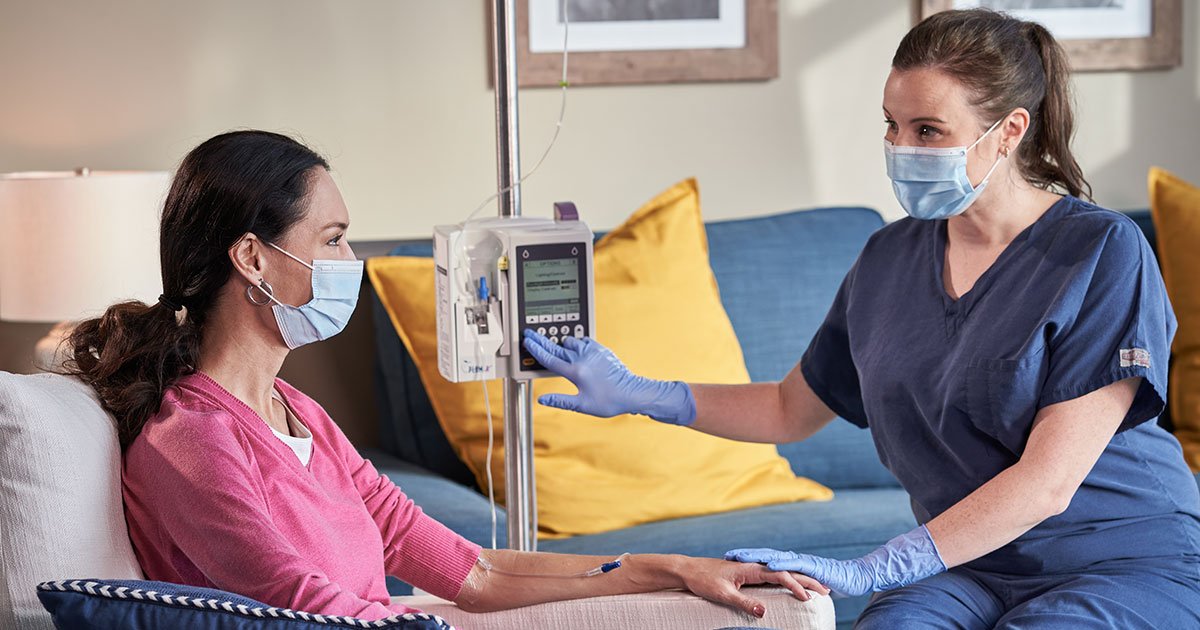
Role of chemotherapy:
1. Selective toxicity: Kills cancers cells, but exerts no harm to the host cells.
2. Mainstay of treatment of metastatis disease.
3. Reduce the size of tumour before operation( neo-adjuncvant therapy).
4. It is very effective in combination with other treatment. E.g: combination with surgery, radiation and biological modifiers.
5. Palliative treatment for malignancy.
6. It is often used prior to surgical wide excision of a malignant tumour, so as to reduce the size of the tumour and to make surgical removal easier and better.
[Bailey & love’s/25/105]
Five chemotherapeutic agents with their indications and complication:
| Chemotherapeutic Agents | Indication | Complication |
| 1. Methotrexate | All | Bone marrow depression (anaemia, neutropenia), hepatitis, pulmonary fibrosis, teratogenesis. |
| 2. Leukovorine | Liver cancer | Kidney toxicity |
| 3. 5-fluorouracil | Colorectal carcinoma, pancreatic carcinoma | Nausea, vomiting. |
| 4. Melphalan | Multiple myolema | Myelossuppression, mucositis |
| 5. Cisplatin | Lung cancer | neurotoxicity,ototoxicity, alopecia. |
Adverse effects of chemotherapy:
Toxicity associated with chemotherapy can occur. Cells rapid growth rates are susceptible to damage and various body systems may affect including: –
1. Hair follicles (Alopecia).
2. Oral mucosa (Mucositis).
3. Oesophagus (Mucositis).
4. Lung (Fibrosis).
5. Heart (Heart failure, arrhythmias).
6. Upper GI tract (Nausea and vomiting). 7. Bowel (Mucositis, diarrhoea).
8. Skin (Erythema).
9. Neural tissue (Sensory neuropathy, Motor neuropathy and Nerve deafness).
10. Kidneys (Renal impairment).
11. Fertility (Premature gonadal failure, amenorrhoea).
12. Bone marrow (Neutropenia, anaemia, thrombocytopenia).
[Ref-Davidson’s, “Principles and Practice of Medicine”, 21″ edition, P-273]

Safety measures for chemotherapy:
1. Precautions for patients:
a. Patient should use a separate toilet from others if possible.
b. Always wash hands with soap and water after using the toilet.
c. After using any devices for bodily waste, patients should thoroughly wash their hands and the devices with soap and water. Dry the devices with paper towels and discard the towels.
d. Any sheets or clothes soiled with bodily fluids should be machine washed twice in hot water with regular laundry detergent.
e. They should monitor their temperature frequently and contact their doctors and nurses if high fever occurs.
f. They should take bland foods to avoid nausea and vomiting.
g. Patients also keep their mouths clean and moist to avoid mouth sores,
h. Be sure that someone is with the patient, because more help may be needed at those times,
i. Chemotherapy medication can also exist in vaginal secretions and sperm, so a condom should be used when having sex.
2. Dosage:
a. Patient should not be given chemotherapy too frequently or in too high a dose.
b. Chemotherapy can damage the heart, liver, lungs and nervous system so that appropriate safety precautions should be taken when selecting a dose regimen for chemotherapy
patients. This involves evaluating the patients’ general health, age ability to withstand chemotherapy treatment.
3. Precautions for health professionals:
a. Doctors and nurses need to be careful to avoid contact with chemotherapy drugs.
b. They should wear gloves, gowns and goggles when handling the medications, either to prepare or administer.
c. They should also exercise extreme care in handling urine and stool samples from the patients’ undergoing chemotherapy.
4. Precautions for caregivers:
a. Caregivers must wear gloves when handling the patients’ blood, urine, stool or emesis.
b. Dispose the gloves after each use and wash hands.
c. If caregivers accidentally come in contact with bodily fluids, they should wash the area of exposure several times with soapy water and inform their doctors on their next visit.
(Ref: American cancer society)

Nursing care of chemotherapy patients:
1. Since chemotherapy is given by the nurses in oncology wards, nurse in-charge should have reasonably fair idea about the drugs used, mode administration, precautions and side effects.
2. Proper monitoring of the patient for sudden changes in the body system is done.
3. Vomiting is very common and so usually Ondansetron an anti-emetic drug is given intravenously while giving chemotherapy.
4. Proper dose should be carefully checked.
5. Observe for toxic effects and if severe inform the consultant. Such patients often require ICU management.
6. Many drugs are given in slow infusion. So rate of infusion is important and nurse should not be in a hurry to complete the infusion.
7. Explain the side effects to patients, and counsel them properly.
8. Often patient may require formal psychiatry management.
9. It is very important to take the chemotherapeutic agents as planned to have optimal benefits. Date of next cycle should be informed to the patient.
10. Separate chemotherapy recorded file should be kept for each patient for quick follow-up and for managing any complications.
11. Dose is commonly calculated based on surface area of the patient, so the attending nurse should know how to calculate body surface area,
[Ref-Sriram Bhat M “SRB’s Surgery for Nurses” 1″ page-112]
Read more: