Concept about Emotion – Behavioral sciences explore the cognitive processes within organisms and the behavioral interactions between organisms in the natural world. It involves the systematic analysis and investigation of human and animal behavior through the study of the past, controlled and naturalistic observation of the present and disciplined scientific experimentation and modeling.
It attempts to accomplish legitimate, objective conclusions through rigorous formulations and observation. Generally, behavior science deals primarily with human action and often seeks to generalize about human behavior as it relates to society.
Concept about Emotion
Emotion and motivation have the same Latin origin. The Latin word ’emovere’ means to be “stirred up”. Anger, fear, surprise, joy, grief, love, affection, hope, anticipation, acceptance, disappointment, jealousy and disgust are classified as emotions while hunger, thirst and fatigue are motives.
Emotions are usually aroused by external stimuli and emotional expression is directed towards the stimuli in the environment that arouses it. Motives on the other hand are aroused by internal stimuli and are directed towards certain objects in the environment, e.g. food, water.
We often think ourselves as rational beings who go about satisfying our motives in an intelligent way. To a certain extent we do that, but we are also emotional beings, more emotional than we often realize. Life would be drab without emotions. Emotions add color and spice to life. Emotions and feelings are interchangeably used by many. Emotions are the outward expressions of feelings. Feelings persist for longer time than emotions. Feelings are simple and sensory.
Emotions are more complex. Emotions are aroused not only by existing circumstances but also by a recollection of these circumstances. Emotion is a strong feeling. It is a conscious stirred up state of the organism. Emotion is a disturbed glandular and muscular activity. It increases energy mobilization. Emotion is defined as a subjective response that is usually accompanied by a physiological change and is associated with a change in behavior.
Definition of Emotion:
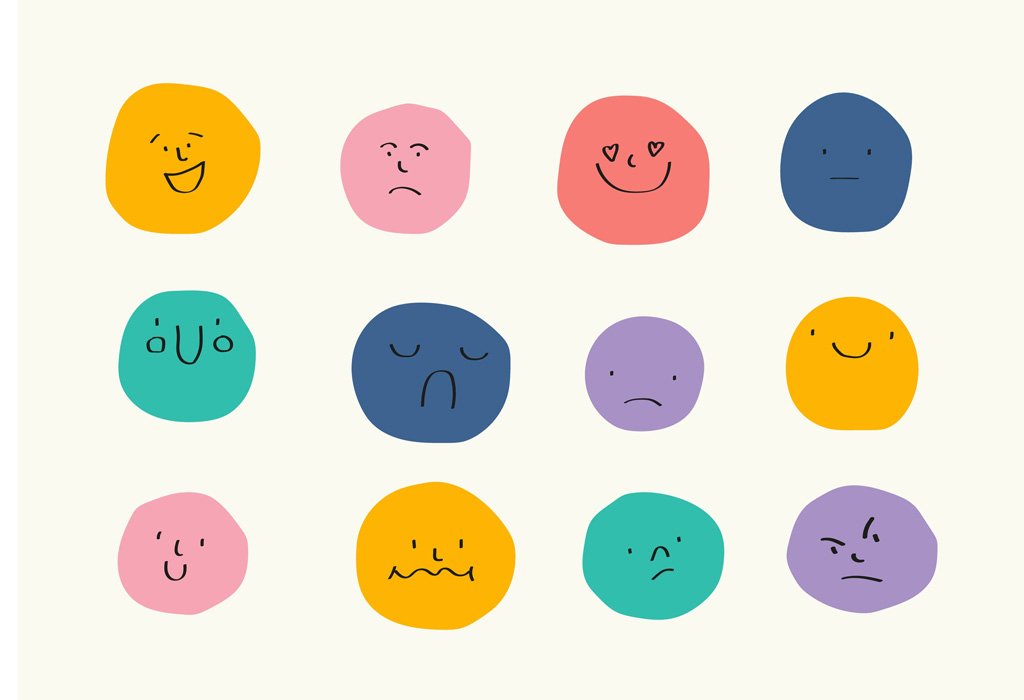
Emotion is a complex, subjective experience accompanied by biological and behavioral changes.
Emotion involves –
- Feeling,
- Thinking,
- Activation of the nervous system,
- Physiological changes, and
- Behavioral changes such as facial expressions
Characteristics of Emotion:
- To a considerable extent, emotions are accompanied by the activation or an aroused state in the organism.
- They are normally accompanied by physiological changes like gestures, muscular movements, changes in facial expression, and changes in physiological reactions like blood pressure, heart beat, pulse rate and respiration.
- Whenever an organism is experiencing an emotion, a lot of energy is released/Exception is grief, when the energy and activity level are reduced.
Psychological Changes in Emotions
- During emotional experiences, other activities like perception, learning, consciousness and memory are affected.
- Along with bodily changes, there are psychological changes that also take place during the emotion. For example confusion in perception, clouding of consciousness and blocking of memory.
Parts of Emotion:
The four parts of an emotion are
1. A subjective feeling,
2. An emotional expression,
3. A physiological expression and
4. An interpretation.
A. Subjective means existing within one’s own mind or thoughts. Subjective feelings are what you believe you are feeling. Others cannot directly see what you are feeling. Subjective feelings form a part of the emotion you experience before an exam.
B. The second part of an emotion is the emotional expression, e.g. you may express your feelings of fear in a number of ways such as tensing your body, trembling, perspiring, urinating and even vomiting.
C. The third part of an emotion is physiological change or arousal. Adrenaline is released in the body during most emotions through the action of autonomic nervous system.
D. The fourth part of an emotion is the interpretation of it by another person. A smiling person would be interpreted as a happy person and a frowning person would be interpreted as an unhappy person.
Changes may occur due to Emotion:
The changes may be divided into two ways-
1. Internal changes
2. External changes.
A. Internal changes
The autonomic nervous system has two subdivisions-the sympathetic division and the parasympathetic division. The sympathetic division of the autonomic nervous system prepares the body for emergency action during aroused states. The sympathetic system causes discharge of hormones, epinephril (adrenaline) and norepinephril (noradrenaline). Adrenaline gets circulated to different parts of the body through blood and is responsible for the following physical changes:
- Increased blood pressure and heart rate.
- Changes in the rate of respiration. When excited, breath comes in short quick gasps. When depressed, breathing is slow.
- Dilation (widening) of pupils of the eyes.
- Sweating and decreased secretion of saliva.
- Increase in blood sugar
- Production of more energy.
- Increased mobility of the gastrointestinal tract.
- Erect hair on the skin (goose pimples).
- Changes in the frequency of the brain waves.
- Muscular tensions and tremors.
B. External Changes in Emotion
- Change in the voice is experienced in many persons. Emotions like fear and excitement are expressed externally by a smile or laughter. A tremor in the voice, denotes sorrow and sharp high pitch indicates anger.
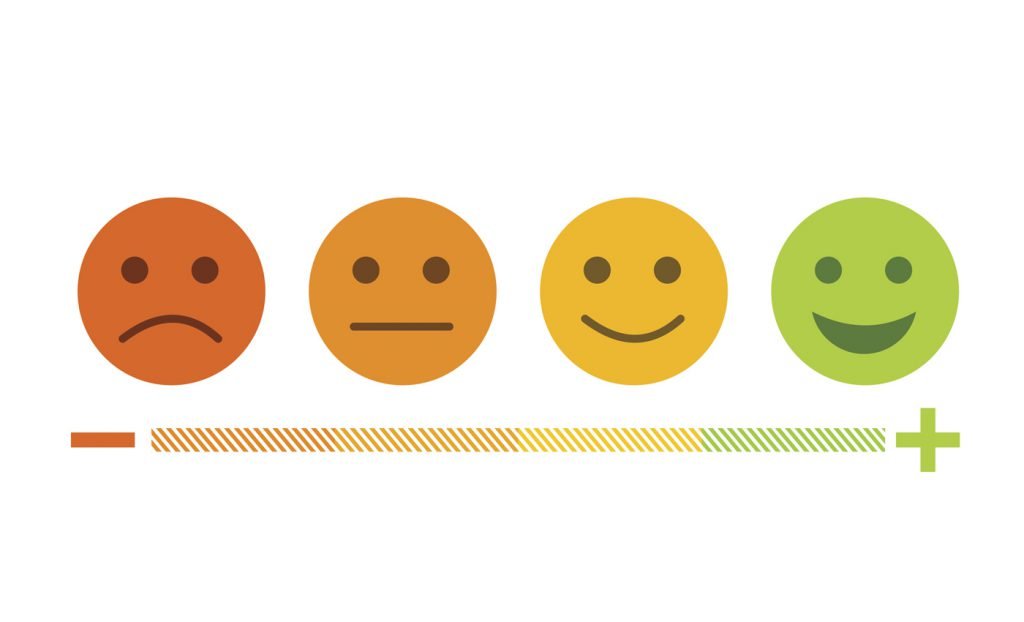
- Changes in the facial expression are indicative of emotional responses. Primary emotions like interest, enjoyment, Surprise, disgust, anger, shame and fear are expressed externally by facial expressions.
- Changes in the different parts of the body (Body language) like stiffness of the body, the way the person holds his head and the way he folds his hands are non-verbal expressions of emotions.
Process of Measurement of Emotion:
Emotions are difficult to be analyzed objectively but effects of emotions on behavior can be measured by:
1. Introspective reports: It is possible to identify and even quantify emotions by the introspective report of the individual. He may be able to identify the changes internal or external he undergoes on joy, fear, sorrow, etc. and also describe what he was feeling. Since emotion is regarded as a highly subjective experience, self-reporting introspective reports play an important role in identification and measurement of emotions.
2. Observations of facial expressions: Face in the index of the mind. The non-verbal communications in the form of looks, gestures and bodily positions provide a clue to identify various emotional states. By looking at one’s facial expressions, we can judge ones intended emotions and label it as anger, joy, fear, disgust, contempt, surprise or love. The correlation between the facial expression and emotion is based on the sociocultural environment and one’s inmate dispositions.
The way of expressing emotions vary from culture to culture. For example, the Chinese put out their tongues when happy. These expressions may also be innate responses to particular situations like jumping at the time of hearing a sudden noise and bearing teeth at the time of anger. But these expressions are not sufficiently objective, reliable and valid indications for identification and measurement of emotions as people can hide their feelings under the mask of false expressions.
3. Measurement of physiological changes in emotion: Emotions are always accompanied by physical and physiological changes in an organism. Some of these changes are easily observable some of this internal physiological changes need special instruments for their proper measurement.
With technological progress today we have instruments which accurately measure physiological changes in terms of blood pressure, blood volume, respiration, pulse rate, muscle tension, temperature, skin resistance and sensitivity, brain waves (EEG) and pilometer reaction involving erection of body hair often associated with chilling of the skin. Under emotion the resistance of the skin to electric current is increased. This change is used in measuring emotions experimentally in psychogalvanoscope.
4. Emotions can be assessed using emotion quotient (EQ) test. It is a standardized test which allows understanding oneself better. Nowadays employers are using EQ test for recruitment of candidates. Awareness of your emotional intelligence allows you to improve your emotional intelligence and to live a happier and more balanced life style.
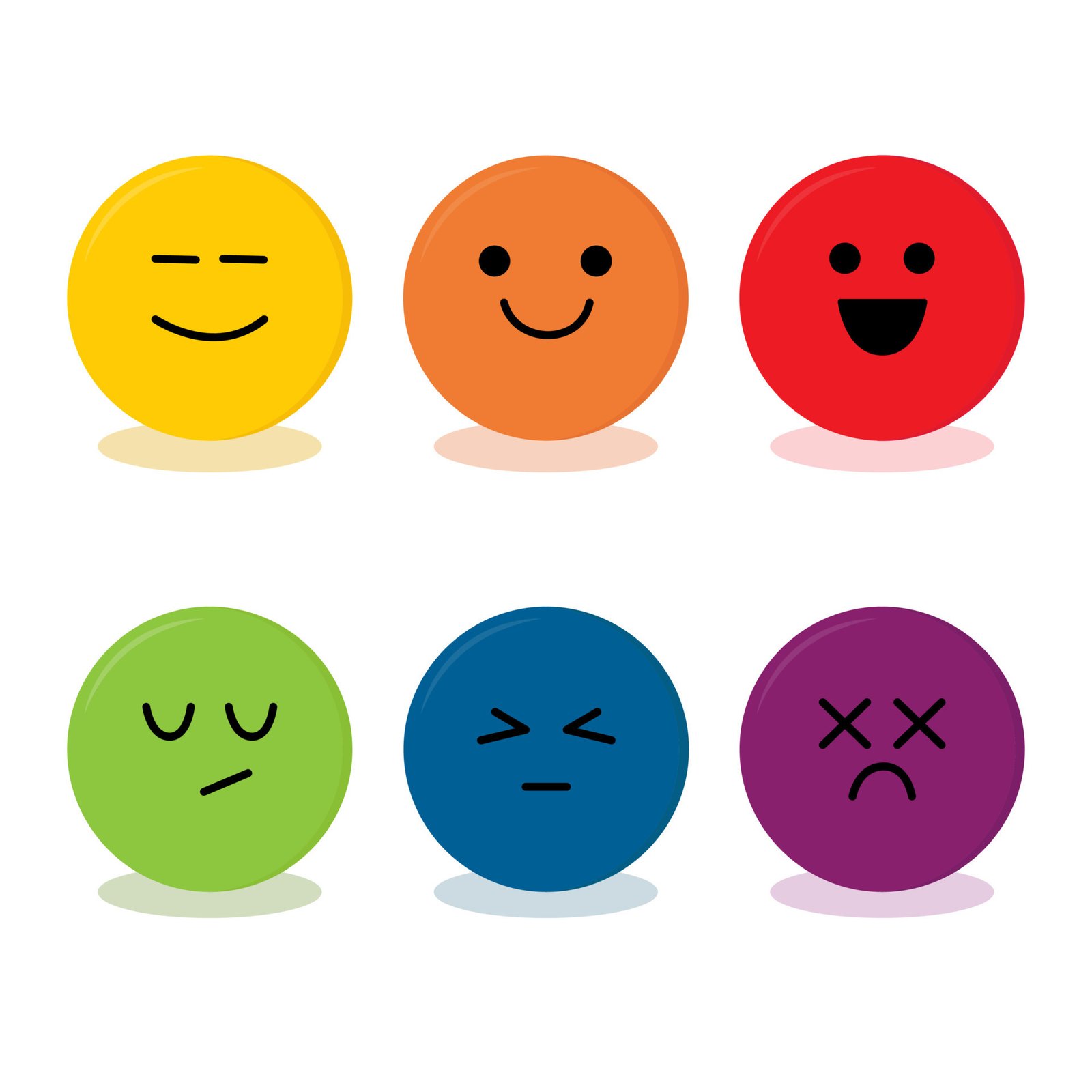
5. Emogram measures II basic emotions by presenting a series of photographs that precisely depict the emotions. Individuals respond to each photograph indicating a level of agreement with each photo. The eleven basic emotions that an emogram can measure include happiness, interest, surprise, contempt, disgust, anxiety, shame, fear, anger and distress.
Theories of Emotion:
A. Evolutionary Theories: More than a century ago, in the 1870s, Charles Darwin proposed that emotions evolved because they had adaptive value. For example, fear evolved because it helped people to act in ways that enhanced their chances of survival. Darwin believed that facial expressions of emotion are innate (hard-wired). He pointed out that facial expressions allow people to quickly judge someone’s hostility or friendliness and to communicate intentions to others.
Recent evolutionary theories of emotion also consider emotions to be innate responses to stimuli. Evolutionary theorists tend to downplay the influence of thought and learning on emotion, although they acknowledge that both can have an effect.
Evolutionary theorists believe that all human cultures share several primary emotions, including happiness, contempt, surprise, disgust, anger, fear, and sadness. They believe that all other emotions result from blends and different intensities of these primary emotions. For example, terror is a more intense form of the primary emotion of fear.
B. The James-Lange Theory: In the 1880s, two theorists, psychologist William James and physiologist Carl Lange, independently proposed an idea that challenged commonsense beliefs about emotion. This idea, which came to be known as the James-Lange theory, is that people experience emotion because they perceive their bodies’ physiological responses to external events.
According to this theory, people don’t cry because they feel sad. Rather, people feel sad because they cry, and, likewise, they feel happy because they smile. This theory suggests that different physiological states correspond to different experiences of emotion.
C. The Cannon-Bard Theory: The physiologist Walter Cannon disagreed with the James- Lange theory, posing three main arguments against it:
- People can experience physiological arousal without experiencing emotion, such as when they have been running. (The racing heart in this case is not an indication of fear.)
- Physiological reactions happen too slowly to cause experiences of emotion, which occur very rapidly. For example, when someone is in a dark alley alone, a sudden sound usually provokes an immediate experience of fear, while the physical “symptoms” of fear generally follow that feeling.
- People can experience very different emotions even when they have the same pattern of physiological arousal. For example, a person may have a racing heart and rapid breathing both when he is angry and when he is afraid.
D. Schachter and Singer’s Two-Factor Theory: In the 1960s, Stanley Schachter and Jerome Singer proposed a different theory to explain emotion. They said that people’s experience of emotion depends on two factors: physiological arousal and the cognitive interpretation of that arousal. When people perceive physiological symptoms of arousal, they look for an environmental explanation of this arousal. The label people give an emotion depends on what they find in their environment.
Example: If a person finds herself near an angry mob of people when she is physiologically aroused, she might label that arousal “anger.” On the other hand, if she experiences the same pattern of physiological arousal at a music concert, she might label the arousal “excitement.” Schachter and Singer agree with the James-Lange theory that people infer emotions when they experience physiological arousal. But they also agree with the Cannon-Bard theory that the same pattern of physiological arousal can give rise to different emotions.
States of Emotion:
There are ten different basic emotional states five positive and five negative as enumerated below:
A. Positive Emotions
a) Love: The power of love has a remarkable healing potential in major illnesses like cancer, colitis, etc. Babies who get a lot of love grow up healthier than children deprived of it. Forgiveness brings good health. Quality of mercy is doubly blessed.
b) Laughter: Some of the physical benefits of laughter are:
- Increases muscular and respiratory activity
- Stimulates cardio muscular system and sympathetic nervous system
- Increases antibodies, the body’s first line of defense
- Decreases levels of stress hormones
- Decreases heart rate and breathing becomes easier
- Increases pain tolerance
- Even your relationships improve. Laughter is the best medicine.
c) Hope: If your life has hope, purpose and meaning, you will be happier and healthier. Hope springs eternal in the human breast.
d) Optimism: Optimists put failures behind them, do their best to look at the bright side and generally have better health. There is a silver lining even in the darkest cloud.
e) Self-confidence: If you lack confidence and find it difficult to assert yourself, you may suffer from indigestion and headaches. Positive emotions can play wonders with your biology.
B. Negative Emotions
a) Anger: Suppressed anger causes high blood pressure, heart attacks, strokes and stomach ulcers. Get rid of it with physical activity, chat with a friend or leave that irritating situation.
b) Fear: We worry about future, money, health, children, etc. To combat fear, learn as much as you can about it. If it is health related, meet a specialist doctor.
c) Sadness: It is our natural reaction to problems. Crying helps the body get rid of harmful wastes.
d) Boredom: Inactivity and boredom can damage your health like stress. Cultivate some hobby.
e) Guilt: It is the most damaging of emotions and very difficult to be distinguished from conscience. To counteract guilt build up your self-confidence. Think of your strengths and you will feel distinctly better.

Way to Control Emotions
As a nurse, you should be concerned with the expression and control of emotions:
1. In yourself
2. In others
A. In Yourself
As a nurse, you are the central figure in health care. You will be much more poised and productive if you are emotionally controlled and mature in your behavior. Emotional poise is also important for your physical and mental health. The following suggestions will help you to develop emotional poise:
a) Try to understand yourself, your conflicts and your physical and emotional limits.
b) Learn as much as you can, about the causes and physical reactions to emotions. The more you know, better control over emotions.
c) Control stress in your life. Plan your work to avoid emergencies.
d) Balance your work with play, exercise and social activities.
e) Practice relaxation by meditation, listening to music, reading, dancing or sports.
f) Use your sense of humor. Laughter with others and laughing at yourself can relieve tensions in your body. g) Try to control unreasonable and excessive external expressions of emotions. These external expressions tend to increase the intensity of emotional experiences of the individual. They excite other people and cause further emotionality.
h) A desirable philosophy of life will enable you to avoid mental conflicts and emotional tensions.
B. Control of Emotions in the Patients
When you first come into contact with a patient, he will respond to whatever message you give through the tone of your voice and body language.
a) Help the Patient Feel welcome and at Ease: Give a warm welcome to the patient. Let him feel that he is an important guest. Let not the patient know your feelings, if any, of frustration due to the heavy work load or any negative feeling towards the patient. Your top priority at the beginning of a patient’s relationship is to provide a pleasant, relaxed atmosphere.
b) Understand his Negative Emotions: Normally the patients are less self-controlled than the nurses. They are tense, irritable and unbalanced. Therefore, the nurse has to be very patient, mature and balanced in her behavior towards the patients.
c) Promote Positive Feelings: The nurse has to substitute the negative emotions of the patient by positive thoughts. She should try to eliminate fear, anger, worry, anxiety and resentment from her and her patients. This requires healthy interpersonal relationships.
d) Develop Empathy: It will be helpful, if the nurse develops empathy with the patient. Empathy means understanding the patient’s situation, feelings and motives. With proper understanding, “you will be able to accept the patient an individualite leg
e) Psychosomatic Illness: Patients with a psychosomatic illness may need more of your time, patience and attention. It is easy for the nurse to get impatient with such a patient. Such patients need help to relax and the nurse must arrange professional counseling for such patients when required.
Concept About Body Mind Relationship
Psychology studies the relationship between mind and body. Mind and body affect each other. The mind operates at the levels of thinking, emotion and action. Mind and body cannot act independently on parallel lines. This is an integrated response, inseparable from each other.
When angry thoughts cross your brain, they stimulate both the halves of the autonomic nervous system-the sympathetic which energizes you and the parasympathetic which calms you down. You may consider the former as a car’s accelerator and the latter as its brake. You would be having a bumping ride, if you apply brake while accelerating. This is what would happen to your heart when you are constantly being resentful. The conflicting messages trigger jerky, ragged heart rhythms.
To arrest potential for physical damage, researchers in the field of heart-brain communication have found that you need to shift into a positive state of mind. As emotions, such as empathy and mercy, overpower negative feelings and thoughts, the symptoms of heart disease disappear. When you are treated unjustly by others, resent is the natural response.
If those resentful feelings are not resolved, a grudge will form. Victims may want to hold a grudge because it gives them a regained sense of control and superiority. However, when nursing a grudge, you are continuing as a victim and inviting anger to become a companion in your everyday life-and a toxin to your body.
Emotions depend on a complex combination of bodily responses and mental processes. Body provides energy to fight, flee, cope, hug, sing or dance. Mind contributes to the understanding to offer an explanation for one’s own actions or the actions of others. Just as the body produces epinephrine to fight out danger, the mind helps to decide whether the raised fist is a sign of rage, playfulness or a threat.
Our emotions including moods such as depression and complex feelings such as hatred and love are greatly affected by our interpretation, memories and expectations. These emotions lead to think more positively about ourselves and the world around us feel better.
Relationship Between Body Minds
Psychology studies the relationship between mind and body. Mind and body affect each other. The mind operates at the levels of thinking, emotion and action. Mind and body cannot act independently on parallel lines. This is an integrated response, inseparable from each other.
Action of Mind upon Body
- All physical and motor activities begin by the motivation in the mind.
- Negative emotions like fear, anger and jealousy produce illness. They make us depressed. Emotional conflicts lie at the root of peptic ulcers, coronary heart diseases, blood pressure and neurosis.
- Deep thinking and concentration can cause physical fatigue.
- Soldiers put in superhuman effort and win the war when their morale is high.
Action of Body upon Mind
- Rise in blood pressure leads to mental excitement.
- Fatigue retards intellectual activity.
- Sudden emotion causes mental imbalance.
- Constipation makes people irritable.
- Dyspepsia (indigestion) makes people gloomy.
- Hyperthyroidism leads to excitement and hypothyroidism causes lethargy.
- Bad throat and septic tonsils can reduce concentration.
An understanding of the above facts is useful for the nurse to learn the etiology of diseases.

Behaving Organism
The human being is capable of behavior and, therefore, is a living organism. The individual is in active relation with the environment and his environment influences and changes him. His behavior consists of his dealings with the environment. All behavior is a function of the individual and his environment, both of which undergo changes because of their interaction with one another.
Characteristics of Behaving Organism
A. Unity: The living organism behaves as one unit.
B. Self-sufficiency: Unlike machines, the living organism is autonomous. It is self- maintaining, self-changing, self-regulating and self-reproducing. It moves from within as per its own laws.
C. Every living organism is unique. No two human beings are exactly alike.
D. A living organism changes and grows not only from within but also because of what happens from outside. An organism does not grow in an isolated vacuum.
Altered State of Consciousness (ASC):
Besides conscious, unconscious and preconscious, there are altered states of consciousness or ASC which influence our lives. They include sleep, dreaming, drugs, hypnosis and meditation.
A. Hypnosis is an altered state of consciousness during which a person becomes very relaxed and open to suggestion. Hypnosis can be used to reduce pain, improve attention, become more relaxed and change harmful habits.
B. Meditation is an altered state of consciousness brought about by focusing one’s thoughts on a particular sound or idea. It can be used for relaxation or religious purposes. Meditation has been found to promote health by reducing the harmful effects of stress in life.
C. Psychoactive drugs – Drugs which alter consciousness are called psychoactive drugs and they act directly upon the brain. They can be stimulants, depressants or hallucinogens. Stimulants include caffeine, nicotine, cocaine and amphetamines. Alcohol, barbiturates and marijuana are depressants. Lysergic acid diethylamide (LSD), hashish, ganja and bhang are hallucinogens. Drug dependence or substance abuse is a major health problem. Drug is a journey to the unknown. It is difficult to stop but not impossible.

Six Steps in Meditation
1. Sit quietly in a comfortable position.
2. Close your eyes.
3. Deeply relax all your muscles beginning with your feet and progressing to your face. Keep them deeply relaxed.
4. Breath through your nose and as you breath out, say the word “one” silently to yourself.
5. Do not worry about whether you are successful or not in becoming relaxed. If distracting thoughts come to your mind, and you can expect them, ignore them, keep repeating the word “one”.
6. Practice this once or twice a day.
Importance of Interrelationship of Body, Mind for Giving Nursing Care
- The interrelationship of the body, mind and everything happening to the person is extremely important in nursing care. A patient who had a surgery may have a very slow recovery, if he has serious problems at home or in his relationship with others. It is necessary to study a person’s entire physical and psychological situation to provide him the most helpful nursing care.
- The nurse must be aware of the power of the unconscious in her as well as her patient’s behavior. She may feel uneasy when she is in the operation theater or in pediatrics ward. Patients may have unexplained fear of hospitalization or laboratory procedures.
- Sleep is an essential need of all people. Often, hospital routines interrupt sleep of patients. Sometimes this may be unavoidable, but whenever possible, more flexible routines should be used. Sometimes health personnel including nurses have to keep awake and sleep at unusual hours or short periods. Loss of sleep should be made up at the earliest by sleep and good rest. Use of drugs to avoid sleep must be strictly avoided.
- Health personnel and patients may wish to meditate for relaxation and religious reasons. A quiet place must be earmarked for this purpose in the hospital.