Concept about Pasteurization | CHAPTER 4 | Nutrition and Dietetics

Concept about Pasteurization – This book covers the entire syllabus of “Nutrition and Dietetics” prescribed by BNMC-for all Diploma in Nursing Science and Midwifery students. We tried to accommodate latest information and topics. This book is examination friendly setup according to the teachers’ lectures and examination’s questions. At the end of the book previous university questions are given. We hope in touch with the book students’ knowledge will be upgraded and flourished. The unique way of presentation may make your reading of the book a pleasurable experience.
 

Concept about Pasteurization | CHAPTER 4 | Nutrition and Dietetics


Concept about Pasteurization

Pasteurization:

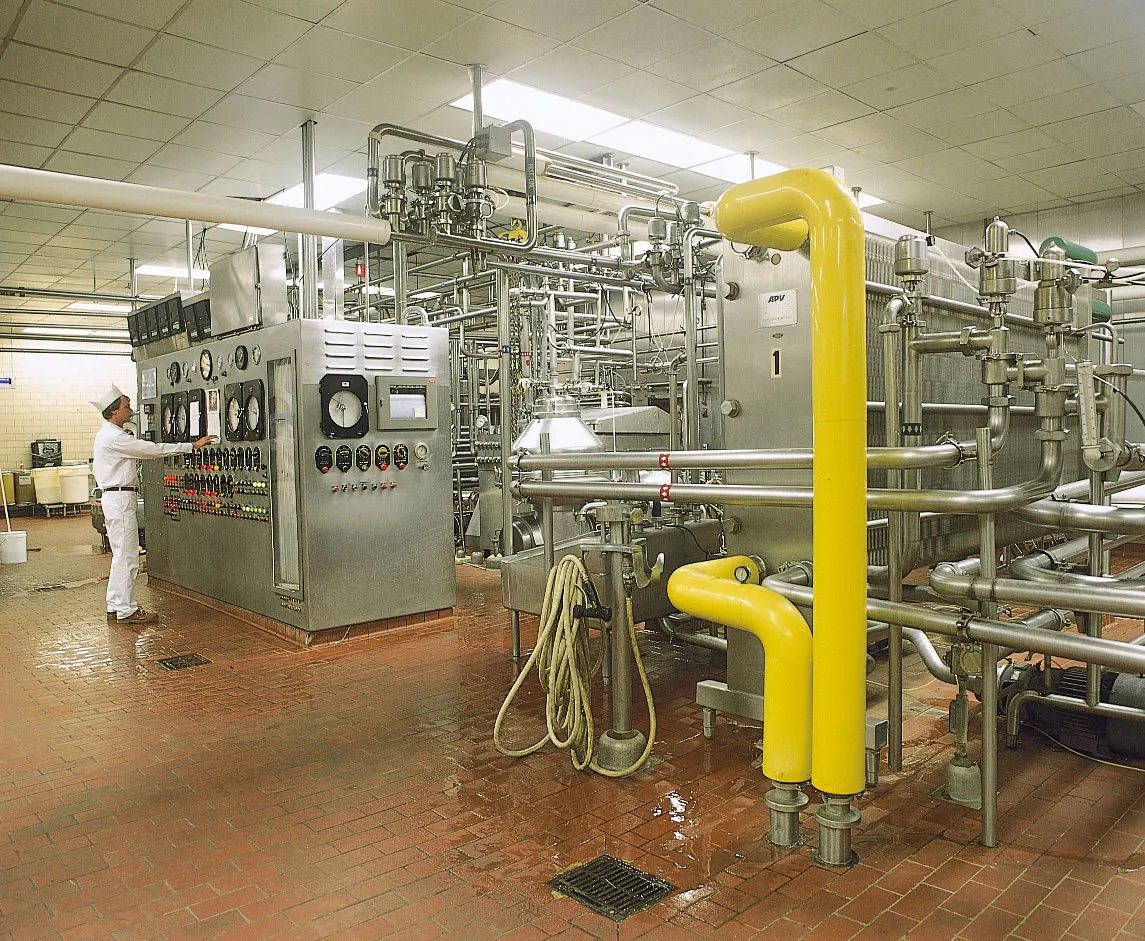
Pasteurization may by defined as the heating of milk to such temperatures and for such periods of time as are required to destroy any pathogens that may be present while causing minimal changes in the composition, flavour and nutritive value.

(Ref: WHO)


google news
Follow us on Google news


Methods of pasteurization:

1. Holder (Vat) Method:
  • In this process, milk is kept at 63-66 degree C for at least 30 minutes.
  • Then quickly cooled to 5 degree C.
  • This method is recommended for small and rural communities.
  • In large cities, it is going out of use.
2. HTST Method:
  • Also known as “High Temperature and Short Time Method”.
  • Milk is rapidly heated to a temperature of nearly 72 degree C, is held at that temperature for not less than 15 seconds, and then rapidly cooled to 4 degree C.
  • This is now the most widely used method. Very large quantities of milk per hour can be pasteurized by this method.
3. UHT Method:
  • Also known as “Ultra High Temperature Method”.
  • Milk is rapidly heated usually at 2 stages (the 2nd stage usually being under pressure) to 125 degree C, for a few seconds only.
  • It is then rapidly cooled and bottled as quickly as possible


Concept about Pasteurization | CHAPTER 4 | Nutrition and Dietetics


Read more:

Leave a Comment