Concept about Seizure – Health of the children has been considered as the vital importance to all societies because children are the basic resource for the future of humankind. Nursing care of children is concerned for both the health of the children and for the illnesses that affect their growth and development. The increasing complexity of medical and nursing science has created a need for special area of child care, i.e. pediatric- nursing.
Pediatric-nursing is the specialized area of nursing practice concerning the care of children during wellness and illness. It includes preventive, promotive, curative and rehabilitative care of children. It emphasizes on all round development of body, mind and spirit of the growing individual. Thus, pediatric-nursing involves in giving assistance, care and support to the growing and developing children to achieve their individual potential for functioning with fullest capacity.
Concept about Seizure
Seizure:
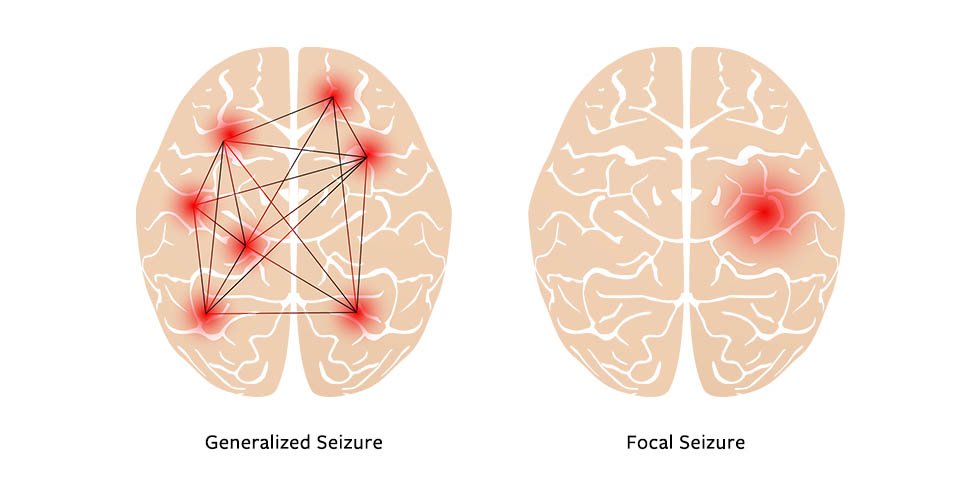
A seizure is the clinical manifestation of an abnormal excessive paroxysmal electrical discharge from the brain. This electrical discharge is conducted to the body and produces a seizure.
(Ref: IAP Text Book of Pediatrics/5th/339)
The type’s seizure depends on the following:
- The area of the brain producing the discharge
- The type of discharge
- The age of the patient
(Ref: IAP Text Book of Pediatrics/5th/339)
Classification of Seizure:
A. Seizure type:
a) Simple partial (No impairment of consciousness)
b) Complex partial (with impairment of consciousness)
c) Absence
d) Tonic-clonic
e) Tonic
f) Atonic
g) Myoclonic
B. Physiology (EEG):
a) Focal spikes/ sharp waves
b) Generalized spike & wave
C. Anatomical sites:
a) Cortex;
- Temporal, Frontal. Parietal & Occipital
- Generalized (diencephalons)
- Multifocal.
D. Pathological cause:
- a) Genetic
- b) Developmental
- c) Turners
- d) Trauma
- e) Vascular
- f) Infections
- g) Inflammation
- h) Metabolic
- i) Drugs, alcohol & toxins
- j) Degenerative
Clinical Manifestations of Seizure:
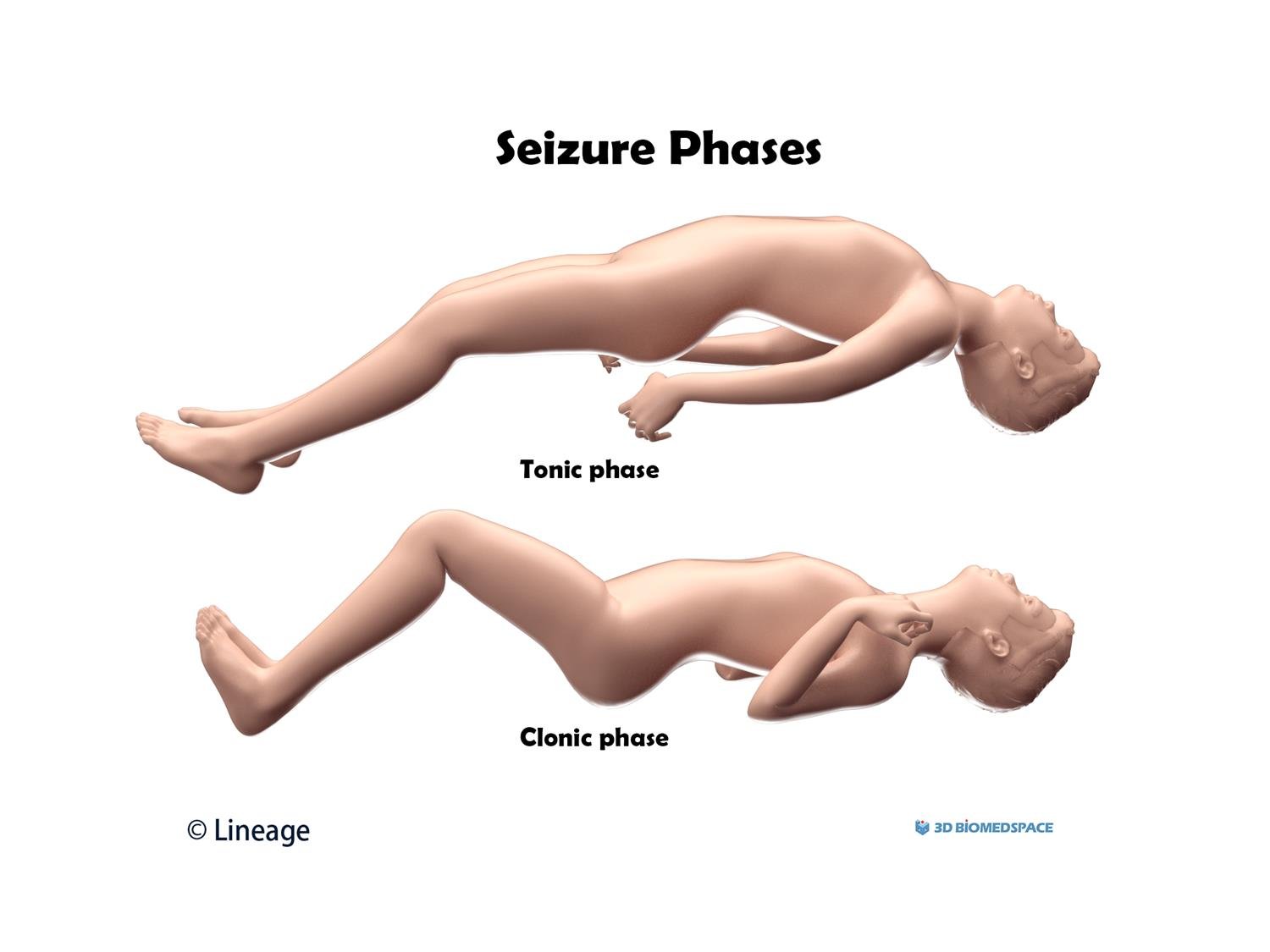
- Abnormal motor activity, which may be a tonic contraction or single or repetitive jerks
- Impairment or loss of consciousness or awareness
- Abnormal behavior
- Abnormal sensory phenomena, e.g. abnormal sensation in one part of the body, visual phenomena, smell, taste
- Abnormal experience.’ Fear anger illusions or hallucination. Children often run to the parent when this occurs
- Autonomic symptoms
(Ref: IAP Text Book of Pediatrics/5/339)