Definition of Measles – Health of the children has been considered as the vital importance to all societies because children are the basic resource for the future of humankind. Nursing care of children is concerned for both the health of the children and for the illnesses that affect their growth and development. The increasing complexity of medical and nursing science has created a need for special area of child care, i.e. pediatric nursing.
Pediatric nursing is the specialized area of nursing practice concerning the care of children during wellness and illness. It includes preventive, promotive, curative and rehabilitative care of children. It emphasizes on all round development of body, mind and spirit of the growing individual. Thus, pediatric nursing involves in giving assistance, care and support to the growing and developing children to achieve their individual potential for functioning with fullest capacity.
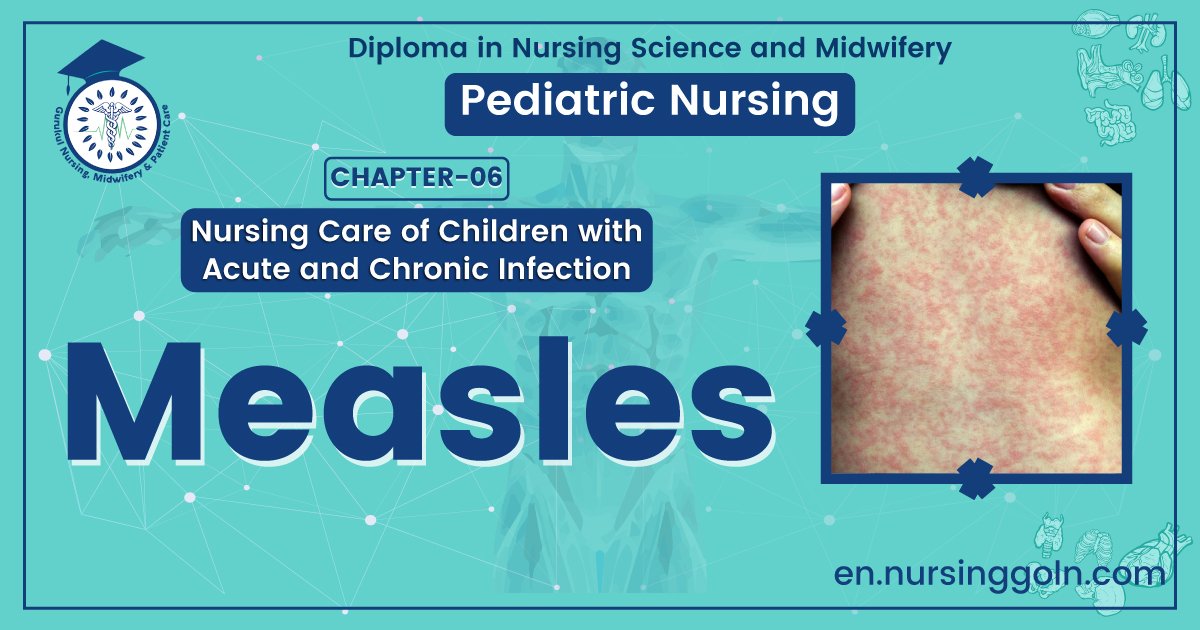
Definition of Measles
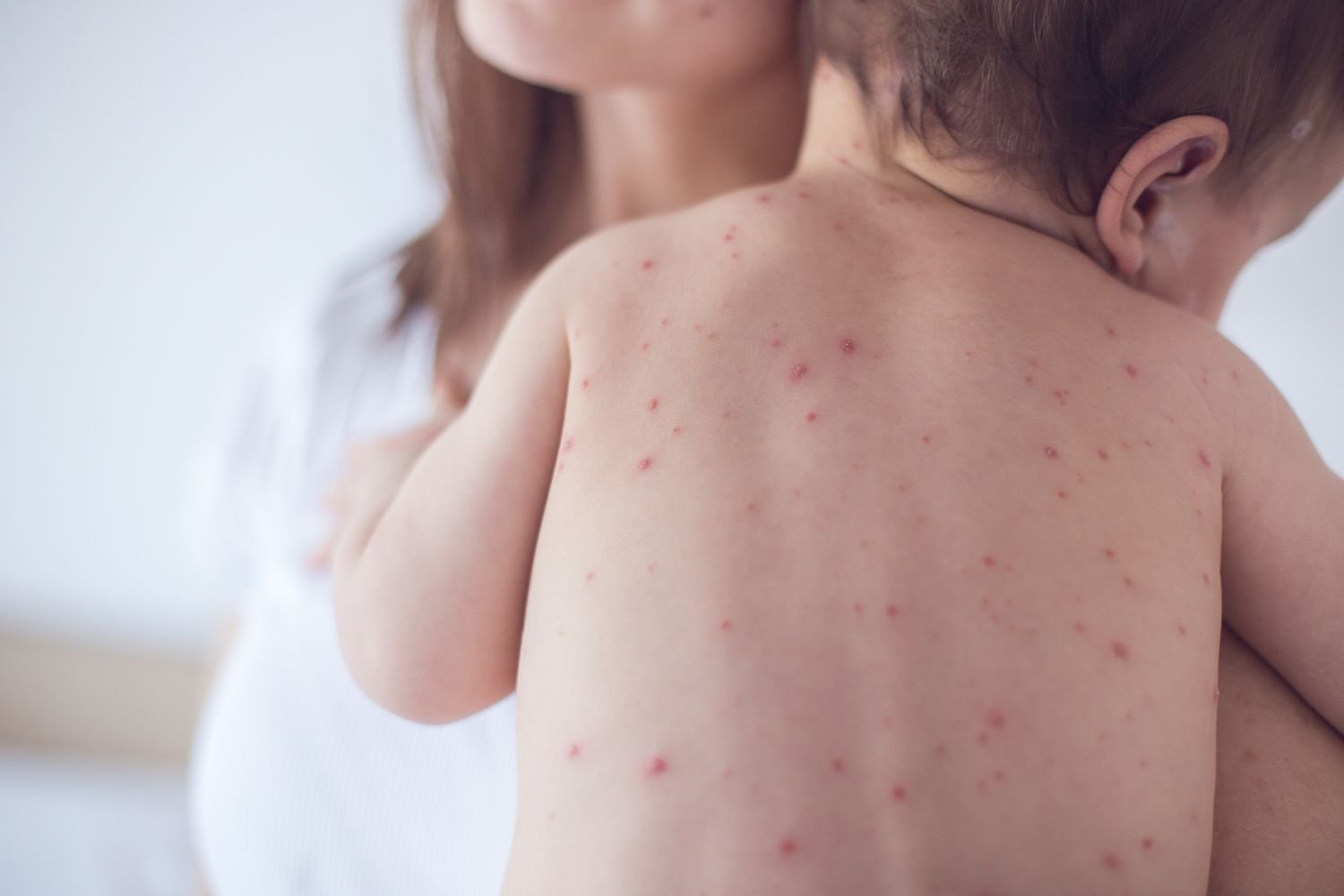
Measles:
An acute highly infectious disease of childhood caused by a specific virus of the group myxoviruses which is clinically characterized by fever and catarrhal symptoms of the upper respiratory tract (coryza, cough) followed by a typical rash.
Or
Measles is a highly infectious disease of childhood caused by measles virus. It is characterized by fever, catarrhal symptoms of the upper respiratory tract followed by typical rash.
(Ref: Paediatric Nursing, Parul Datta/3rd/217)
Epidemiological Features of Measles:
A. Occurrence: The disease is endemic in all parts of the world.
B. Ecological triad:
- Agent: RNA paramyxovirus
- Host:
✔Age: It is mainly a disease of child hood between 6 month – 3 years.
✔Sex: Both sexes are affected
✔Nutrition: Very severe in malnourished children
✔ Immunity: one attack of measles gives immunity for life
C. Environment: Incidence is in higher in spring and winter. Incidence is higher in densely populated urban areas
D. Natural history:
- Source of infection: A case of measles
- Infective material: Nasopharyngeal secretion, Lacrimal secretion, urine of infected person.
- Infectious period: Maximum infectious period is 7 days.
- Mode of transmission:
✔Direct contact (90%)
✔Droplet spread
✔ Fomite
✔ Rarely air borne
Incubation period: 1-2 weeks, usually 11 days (average)
A) Active immunization:
- Vaccine: Live attenuated measles vaccine usually given in association with mumps and rubella vaccine as “MMR” vaccine.
- Age: At the age of 9 month
- Dose: 0.5 cc/0.5 ml
- Site: At deltoid region
- Route: IM/Sc
B) Passive immunization:
- Human immunoglobulin 0.25 ml/kg of body weight is effective, if given within 3-4 days of exposure. Passive immunization of children on admission to hospital gives complete protection, which is immediate
- It is used for the prevention or attenuation of measles in contacts under 18 months of age and for non-immune debilitated children, especially those with malignant disease.
- Dose:
✔250 gm for children under 1 year old
✔500 gm for 1-2 years old
✔750 gm over 3 years.
Sign and Symptoms/Clinical Features of Measles:
A. Prodromal (catarrhal) or pre-emptive stage: (Starts after 10 days of infection and lasts 3 to 5 days).
- Fever.
- Malaise.
- Coryza.
- Sneezing.
- Nasal discharge.
- Brasy cough.
- Redness of eyes.
- Lacrimation.
- Often photophobia.
B. Eruptive or Exanthematous stage; (3-5 days after the onset of the disease)
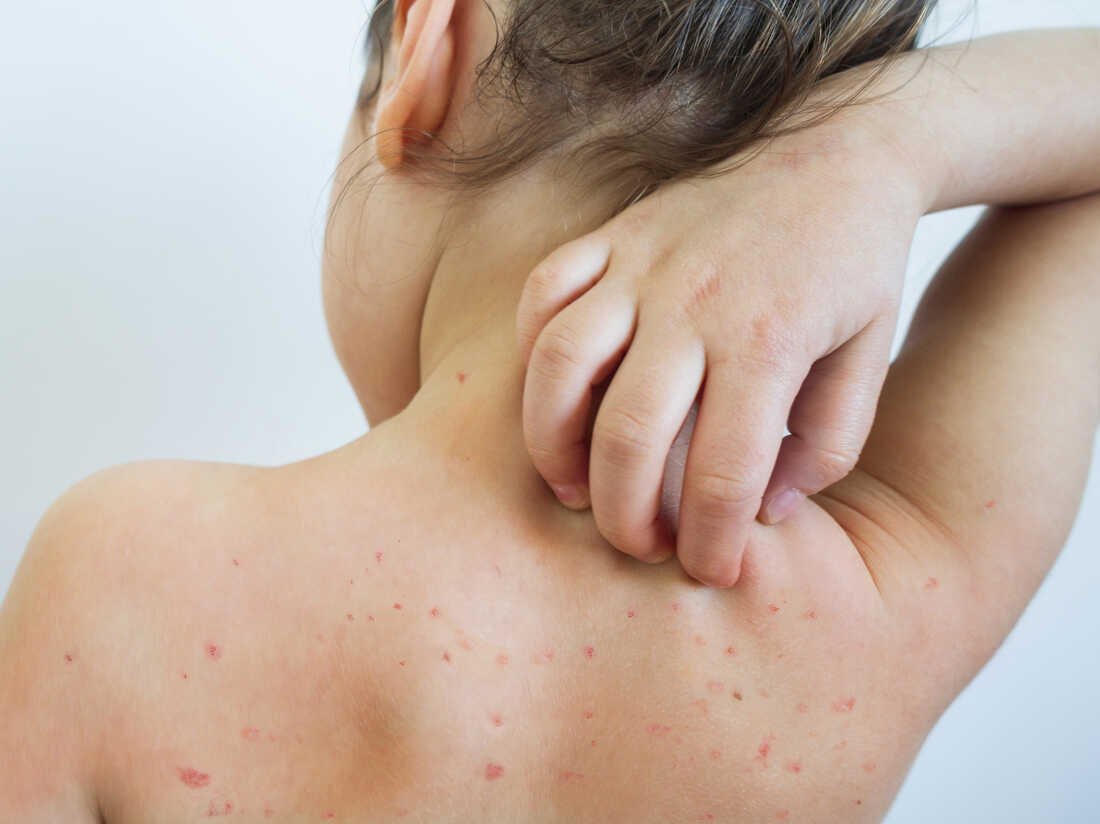
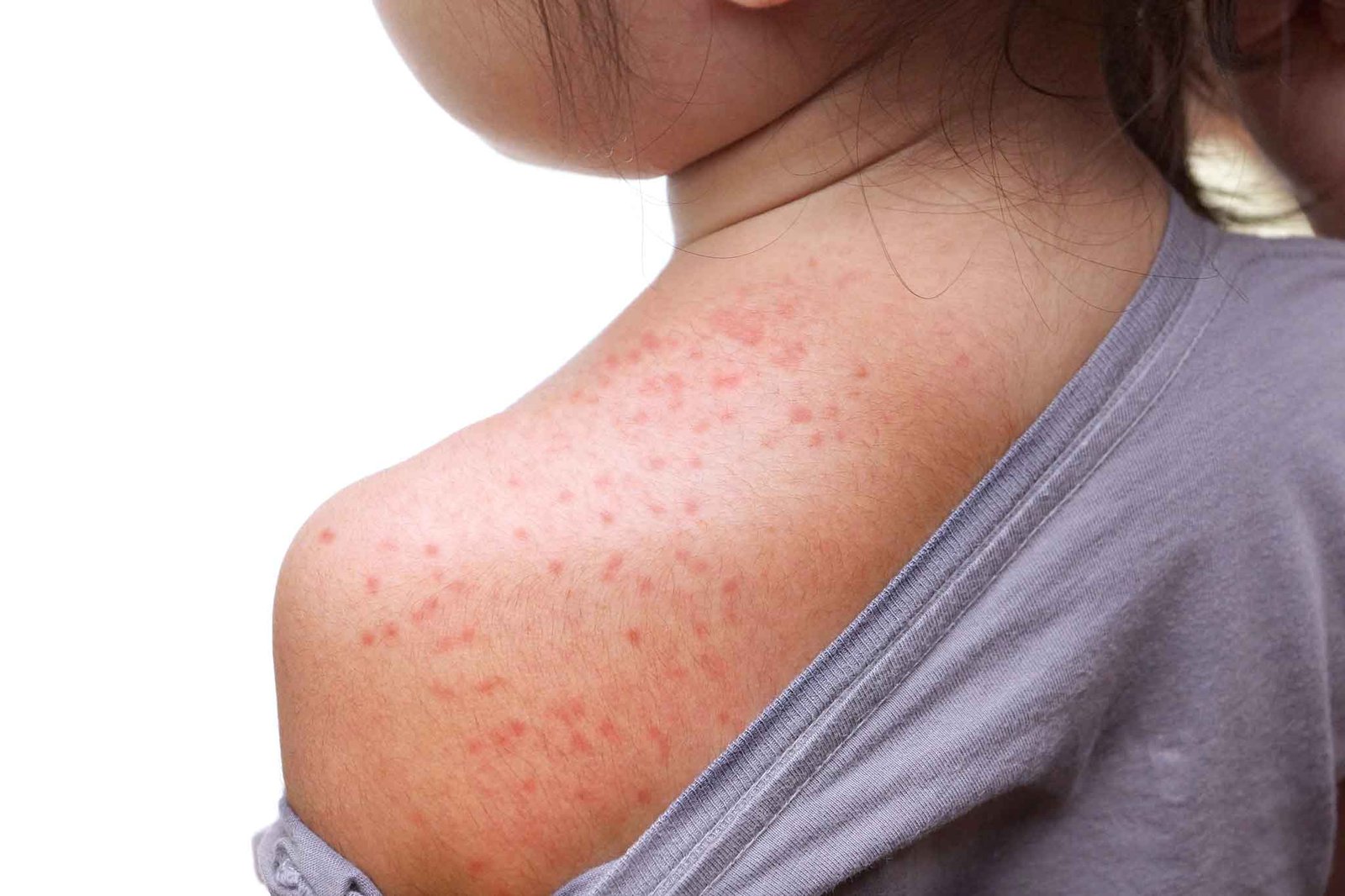
- Maculopapular rash,
- Anorexia.
- Malaise.
- Cervical lympadenopathy may present.
- There is fine shedding of superficial skin of face, trunk and limbs, leaving brownish discoloration which may persist for 2 months or more.
C. Convalescent or post-measles stage;
- It is the period of disappearance of constitutional symptom, fever and rash.
- But usually the child remains sick for number of days and lost weight.
Treatment:
1. Bed rest
2. Isolation for 1 week after appearance of rash
3. Analgesic and antipyretic
4. Care of eye
5. Oral hygiene is maintained
6. Maintenance of fluid and nutrition
7. Vitamin A capsule on 1, 2nd and 7th day
8. Antibiotic to prevent secondary bacterial infection
Complication of Measles:
1. Most common complication:
- Measles associated diarrhea
- Pneumonia
- Bronchitis
- Otitis media
- Stomatitis.
2. More serious complication:
- Febrile convulsions
- Encephalitis
- Sub-acute sclerosing pan-encephalitis (SSPE)
- Multiple sclerosis
3. Rare complication:
- Severe weight loss
- Purpura
- Keratitis
- Conjunctivitis
- Appendicitis
- Kwashiorkor
- Corneal ulceration
(Ref by-K. Park-24)
Nursing Management of Measles:
Goad nursing care and supportive measures promote the outcome. They include:
1. Isolation.
2. Rest.
3. Calm and quiet environment
4. Dim-light.
5. Good nourishing diet.
6. Adequate amount of fluid.
7. Oral hygiene.
9. Meticulous skin care and daily bath.
10. Tepid sponge to reduce fever.
11. Cleaning nasal and mouth secretions.
12. Eye care.
13. Careful observation for features of complication.