Definition of Ovulation – Introduction to fundamental concepts of Biological Science including the organization and common characteristics of living matters, cell structures and functions, food production by photosynthesis, harvesting energy, mechanism of cells reproduction, genetics, evolutions, and Human Biology. Introduction to general chemistry including basic concepts about matter, atomic structure, chemical bonds, gases, liquid, and solids, solutions, chemical reactions, acid, bases, and salt;
organic and biochemistry including hydrocarbons and their derivatives, carbohydrates, lipids, proteins, enzymes, vitamins, and minerals, nucleic acids; principles of physics and applications to nursing including gravity and mechanics, pressure, heat and electricity; nuclear chemistry and nuclear physics, effects of radiation on human beings, and protection and disposal. The aim of the course is to acquire knowledge and skills in general biological science, general chemistry and physics.
Definition of Ovulation
Ovulation means “to produce and discharge eggs from an ovary or ovarian follicle”.
or
Ovulation is the release of an egg from one of a woman’s ovaries. After the egg is released, it travels down the fallopian tube, where fertilization by a sperm cell may occur.
or
The release of the ripe egg (ovum) from the ovary. The egg is released when the cavity surrounding it (the follicle) breaks open in response to a hormonal signal.
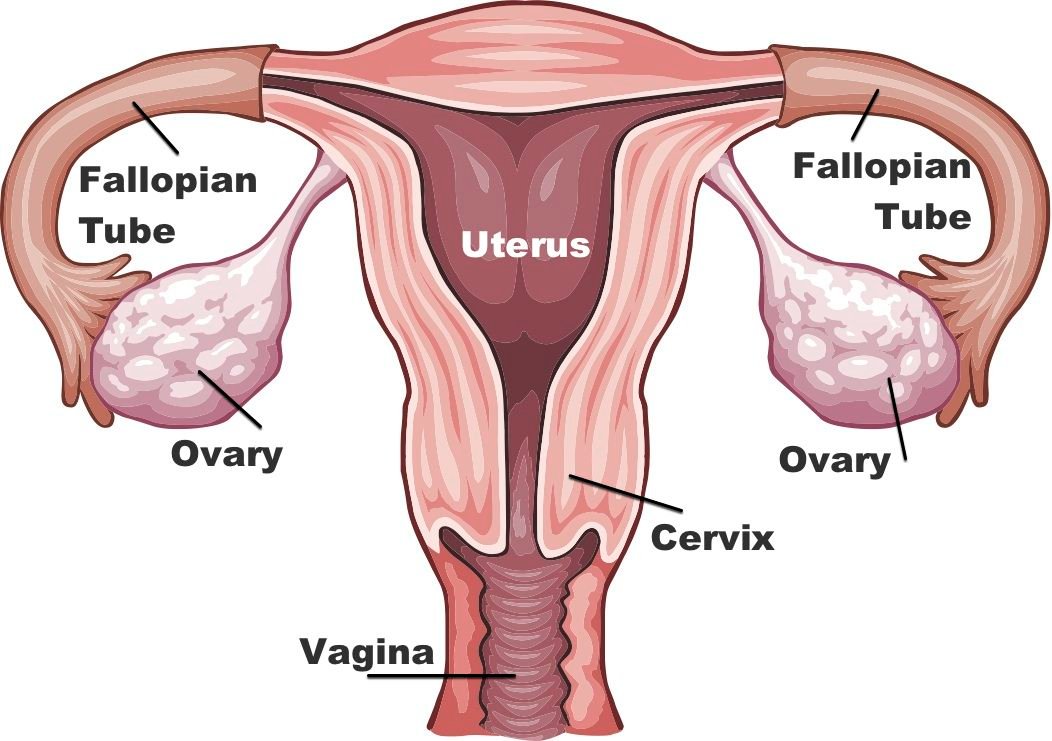
Figure: Ovulation
The Physiological Control of Ovulation is Discussed Below-
GnRh of the hypothalamus stimulates the pituitary gland to release FSH and LH.
↓
FSH stimulates the growth of primordial follicle and matures it into a graaffian follicle
↓
LH and FSH, in coordination with ovarian theca and granulose cells, regulate the secretion of follicular estradiol.
↓
Ovulation occurs as the result of a positive feedback of follicular estradiol on the hypothalamicpituitary axis that induces LH and FSH surges
↓
Follicular rupture (ovulation) requires the coordination of appropriately timed LH and FSH surges that induce inflammatory reactions in the graafian follicle, leading to dissolution at midcycle of the follicular wall by several ovarian enzymes.
↓
The formation of a functional corpus luteum requires thesteroidogenesis, adequate numbers of LH receptors, sufficient granulosa cells, and significant progesteronesecretion.
↓
Corpus luteum forms and secretes estrogen and progesterone.
↓
Progesterone and estrogen inhibit GnRh and secretion of FSH and LH. Thus prevent further ovulation.
↓
If pregnancy does not occur then luteolysis occurs a few days before menstruation by basies prostaglandin.
↓
Absence of corpus luteum leads to estrogen and progesterone conc.→↓GnRh, FSH, LH → A new cycle begins
Mechanism of Ovulation
The mechanism of ovulation is as follows-
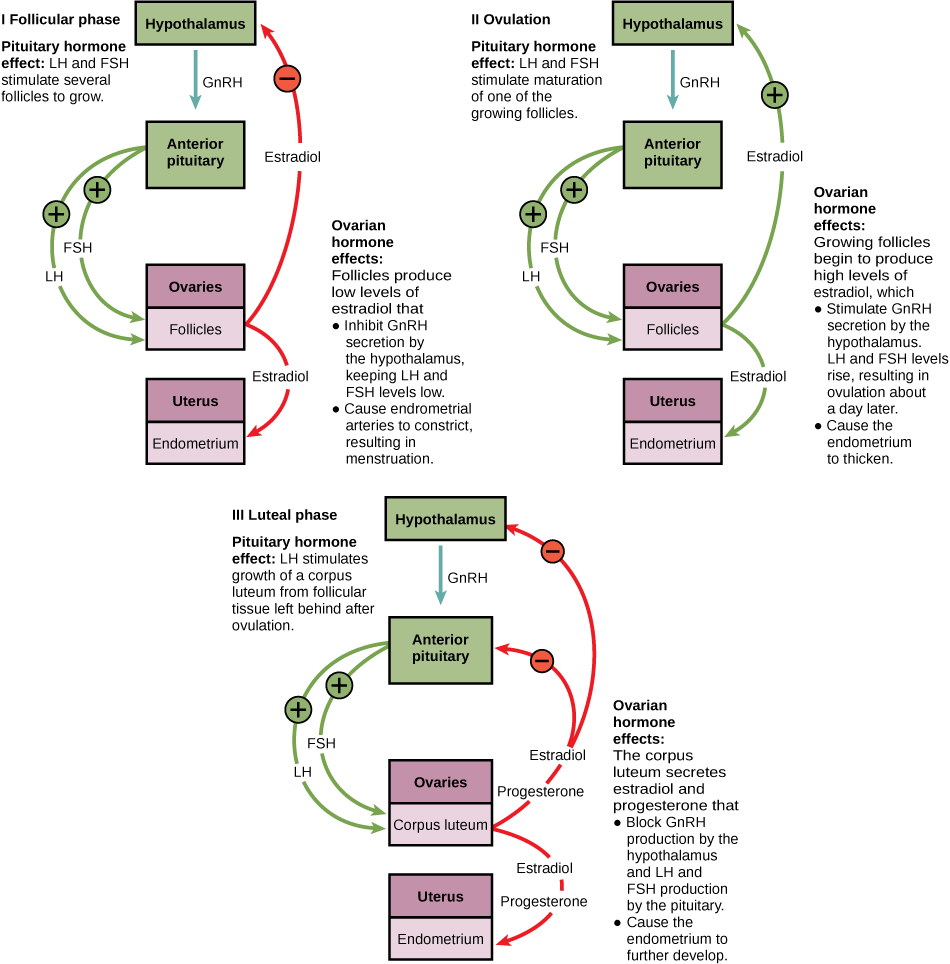
Flow chart of ovulation
Diagnosis of Ovulation:
Ovulation can be diagnosed by the following way-
Clinical features:
- Ovulation pain: A slight pain is felt on the side of the lower abdomen in which ovary has discharged.
- Ovulation bleeding or discharge at the time of ovulation.
- Premenstrual mastalgia.
- Rise in basal body temperature: slightly rises by 0.2-0.50C just after ovulation.
- Changes in the cervical mucus in both quality and quantity
Investigations:
- Disappearance of fern pattern following positive fern test in the cycle.
- Endometrial biopsy- scretory phase in the 2nd half of the menstrual cycle indicates that a functional corpus luteum is present.
- Hormone analysis e.g. detection of progesterone in serum at D21-D22.
- Serial USG.
- Laparoscopy (presence of corpus luteum or stigma).