Definition of Percussion – Nursing is a profession within the healthcare sector focused on the care of individuals, families, and communities so they may attain, maintain, or recover optimal health and quality of life. Nurses may be differentiated from other healthcare providers by their approach to patient care, training, and scope of practice. Nurses practice in many specialisms with differing levels of prescriber authority.
Many nurses provide care within the ordering scope of physicians, and this traditional role has shaped the public image of nurses as care providers. However, nurses are permitted by most jurisdictions to practice independently in a variety of settings depending on training level. In the postwar period, nurse education has undergone a process of diversification towards advanced and specialized credentials, and many of the traditional regulations and provider roles are changing.
Nurses develop a plan of care, working collaboratively with physicians, therapists, the patient, the patient’s family, and other team members, that focus on treating illness to improve quality of life. Nurses may help coordinate the patient care performed by other members of an interdisciplinary healthcare team such as therapists, medical practitioners, and dietitians. Nurses provide care both interdependently, for example, with physicians, and independently as nursing professionals.
Definition of Percussion:
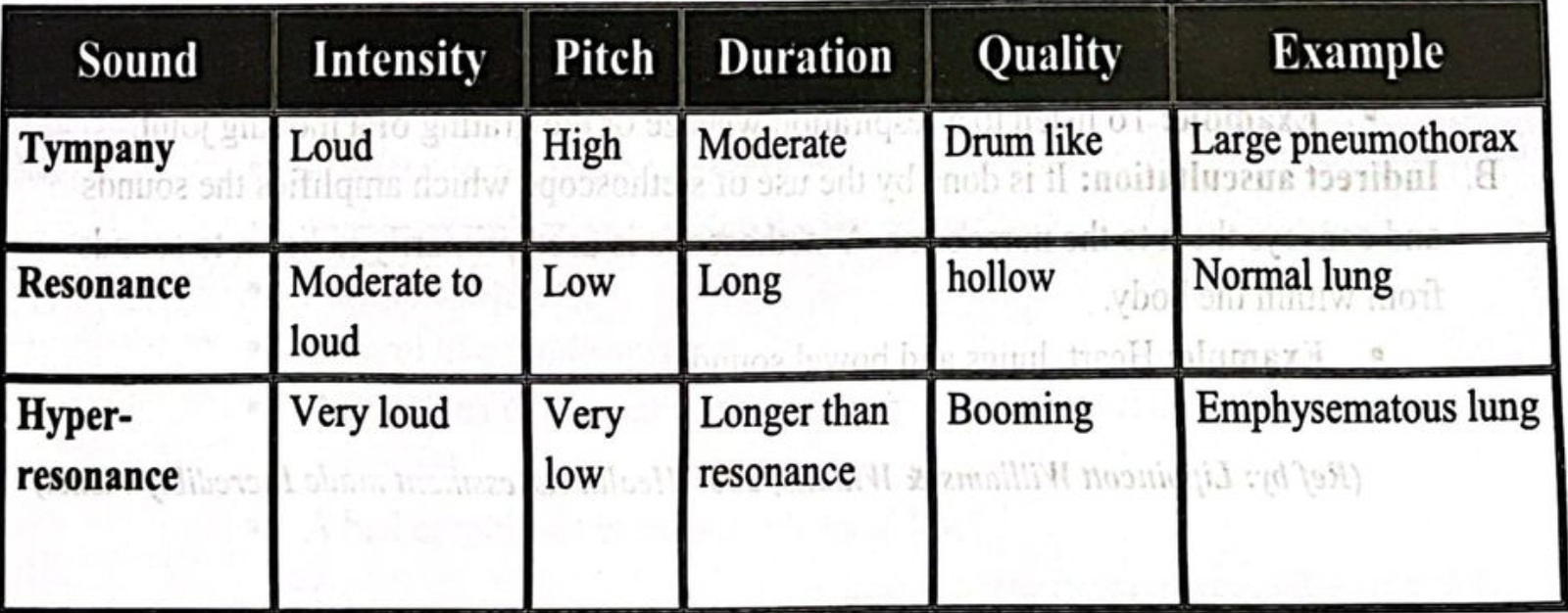
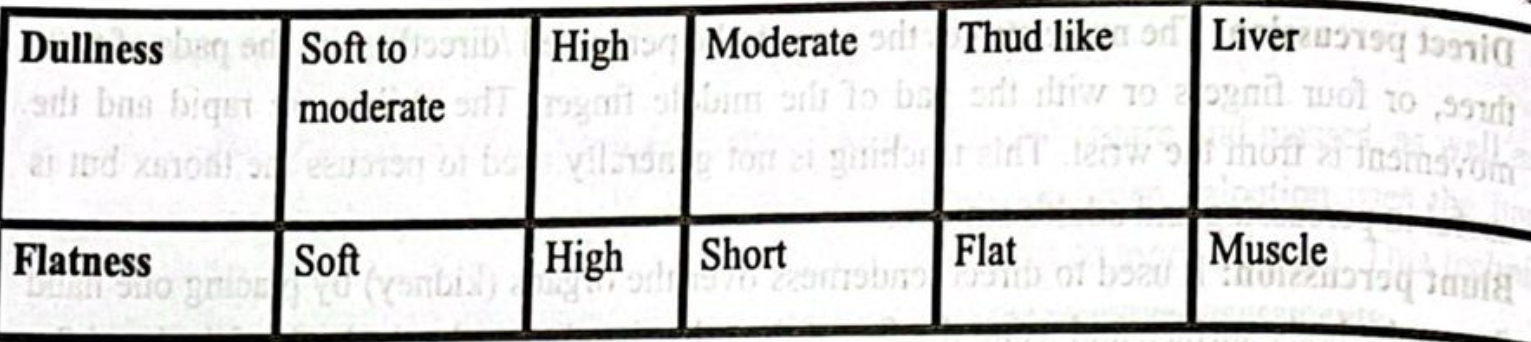
Percussion is a method by which the body is struck indirectly to elicit sounds. Sounds produced: flatness (bone); dullness (liver); resonance (lungs); hyper resonance (emphysema/lung); tympani (abdomen). May be performed directly or indirectly.
Types of Percussion:
There are three types of percussion. These are:
1. Direct percussion: The nurse strikes the areas to be percussed /directly with the pads of two, three, or four fingers or with the pad of the middle finger. The strikes are rapid and the movement is from the wrist. This teaching is not generally used to percuss the thorax but is useful in percussing and adult’s sinuses.
2. Blunt percussion: It used to direct tenderness over the organs (kidney) by placing one hand flat on the body surface and using the fist of the other hand to strike the back of the hand flat on the body surface.
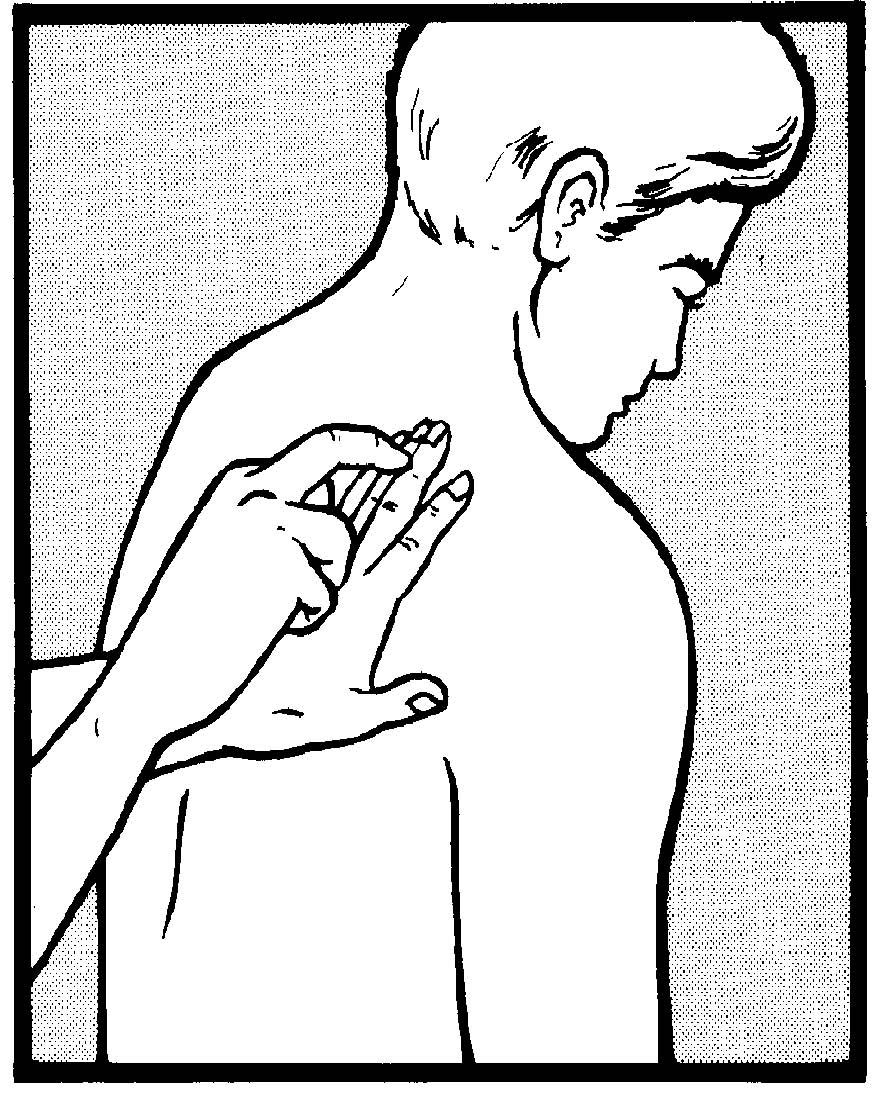
3. Indirect percussion: It is the striking of an object (e.g. finger) held against the body area to be examined. This technique is generally used to percuss the thorax.
Technique of Indirect Percussion:
1. Place the middle finger of non-dominant hand on the body part is going to percuss.
2. Keep other fingers of the body part being perused because they will damp the tone elicit. Use the pad of middle fingers of the other hand (ensure that this finger nail is short) to strike the middle finger of dominant hand that is placed on the body part.
3. Withdraw the finger immediately to avoid damping tie tone.
4. Deliver two quick taps and listen carefully to the tone
5. Use quick. Sharp taps be flexing wrist, not forearm.
Sounds Produced By Percussion