Developmental milestone – Health of the children has been considered as the vital importance to all societies because children are the basic resource for the future of humankind. Nursing care of children is concerned for both the health of the children and for the illnesses that affect their growth and development. The increasing complexity of medical and nursing science has created a need for special area of child care, i.e. pediatric nursing.
Pediatric nursing is the specialized area of nursing practice concerning the care of children during wellness and illness. It includes preventive, promotive, curative and rehabilitative care of children. It emphasizes on all round development of body, mind and spirit of the growing individual. Thus, pediatric nursing involves in giving assistance, care and support to the growing and developing children to achieve their individual potential for functioning with fullest capacity.
Developmental milestone
Definition of Developmental Milestone:
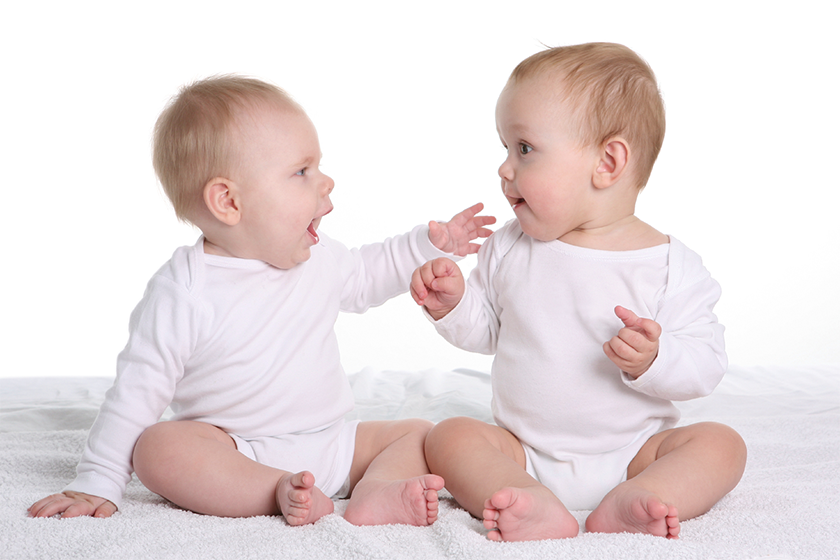
Developmental milestones are behaviors or physical skills seen in infants and children as they grow and develop. Rolling over, crawling, walking, and talking are all considered as developmental milestones.
Or
These are the parameters of different age of children, which gives an idea about the average estimate of the time when the child can be expected to have certain skills.
Or
Developmental milestones are a set of functional skills or age-specific tasks that most children can do at a certain age range.
| Age | Motor | Speech | Vision and hearing | Social |
| 1-1.5 months | When held upright, holds head erect and steady. | Cooes and babbles at parents and people they know | Focuses on parents. |
|
| 1.6-2 months | When prone, lifts self by arms; rolls from side to back. | Vocalizes Cooes (makes vowel-like noises) or babbles | Focuses on objects as well as adults |
|
| 2.1 – 4.5 months |
|
|
| Serves to practice emerging visual skills. Also observed in blind children. |
| 3 months |
| Makes vowel noises |
| Squeals with delight appropriately Discriminates smile. Smiles often Laughs at simple things. Reaches out for objects. |
| 5 months |
| Enjoys vocal play |
| |
| 6 months |
|
|
| |
| 9 – 10 months |
| Babbles tunefully | Looks for toys dropped | Apprehensive about strangers |
| 1 year |
| Babbles 2 or 3 words repeatedly | Drops toys, and watches where they go |
|
| 18 months |
| Jargon’. Many intelligible words | Be able to recognize their favorite songs, and will try to join in. |
|
| 2 years |
| Joins 2-3 words in sentences |
|
Developmental Milestones of a Child at Birth:
| Gross motor | a) Prone: Lies in flexed attitude, turns head from side to side, head lags on ventral suspensionb) b) Supine: generally flexed and a little stiff c) Reflex: All the reflexes are active eg moro reflex, grasp reflex etc. |
| Visual: | May fix face or light in line of vision. |
| Social: | Visual preference for human face. |
| Hearing: | Startled by sudden noises, stiffens, quivers, blinks, screw up eyes. |
Developmental Milestones of A Child Al 1-1.5 Months:
| Gross motor: |
|
| Fine motor: |
|
| Cognitive function: |
|
| Vision: |
|
| Hearing: |
|
| Speech: |
|
| Social behavior |
|
Developmental Milestones of a Child at 3 Months:
| Gross motor: | When pulled to sit little or no head lag. In ventral suspension, head held well above line of body; hips and shoulders extended |
| Fine motor: | Watches movements of own hands before face and engages in finger play. Holds rattle for few moments when placed in hand, may move towards face. |
| Cognitive function: | Smiles when spoken to but vocalizes with pleasure. Inspects own hand. |
| Vision: | Can follow moving object one side to another side (180 degree) |
| Hearing: | Definite quieting of smiling to sound of mother’s voice before she touches him. May turn eyes and or head towards sound source (try to explore). |
| Speech: | Coos and vocalizes reciprocally Whimpers, squalls, chuckles, gurgles at back of throat. |
| Social Behavior: | Fixes eyes unblinkingly on mothers face when feeding. Beginning to react to familiar situations, showing by smiles coos and excited movements when the baby recognizes preparation for baths etc, |
| Emotion: | Can show behavioral expression according to specific emotion |
Developmental Milestones of a Child at 6 Months:
| Gross motor |
|
| Fine motor: |
|
| Cognitive function: |
|
| Vision: |
|
| Hearing: |
|
| Speech |
|
| Social behavior |
|
Developmental Milestones of a Child at 9 Months:
| Gross motor |
|
| Fine motor: |
|
| Cognitive function: |
|
| Vision: |
|
| Hearing: |
|
| Speech |
|
| Social Behavior and self- help/autonomy motion |
|
Developmental Milestones of a Child at 12 Months:
| Gross motor | Can rise to sitting position from lying down Crawl on hands and knees Pulls standing and lets himself down again holding onto furniture |
| Fine motors | Holds, bites, and chews a cracker. Grasps string with thumb and forefinger. Beats two spoons together. Begins to use index finger to point and poke. |
| Cognitive function: | Recognizes voices of favorite people. Responds to verbal request such as “Wave bye-bye. |
| Vision: | Drops and throws toys forward deliberately and watch them fall to ground Recognizes pictures and objects |
Developmental Milestones of a Child at 15 Months;
| Gross motor |
|
| Fine motor |
|
| Cognitive function: |
|
| Speech: |
|
| Vision: |
|
| Hearing: |
|
| Social behavior: |
|
(Ref: Module on Early Childhood Development/Hand book)
| Gross motor |
|
| Fine Motor |
|
| Cognitive function |
|
| Vision: | Enjoys picture books recognizing fine details in favorite picture. |
| Speech |
|
| Hearing |
|
| Social behavior: |
|
(Ref by: Module on Early Childhood Development/Hand book)
Developmental Milestones of a Child at 3 Years:
| Gross motor: |
|
| Fine motor: |
|
| Cognitive function |
|
| Speech: |
|
| Vision: |
|
| Social behavior: |
|
(Ref by: Module on Early Childhood Development/Hand book)
Developmental Milestones of a Child at 4 Years:
| Gross Motor: | Runs smoothly, varying speeds. Hops on one fool (4-9 times). Balances on one foot (8-10 seconds). Bounces ball with beginning control. Throws ball overhand. |
| Fine motor: | Copies cross and square. Attempts to cut on straight line. Has established hand dominance. “Writes” on page at random. May try to print own name. Draws person arms and legs directly from head |
| Cognitive function: | Understands opposite analogies. Follows 3-stage commands. Listens eagerly to stories. Follows directions with prepositions (e.g., “above,” “under”). Loves silly songs, names. Increasing use of imagination. Enjoys dress-up play. Is interested in time concepts (e.g.. yesterday, hour, minute). Identifies several capabilities. Rote counts to 10. Counts 4 items. – Categorizes animals, food, toys. Matches geometric forms. Identifies missing part. |
| Expressive Language | Uses all parts of speech correctly. Has vocabulary of 2,000- plus words. Uses color names. Defines words in terms of use (e.g., car, pencil). Asks many questions (e.g., why, what, how). Has 100% production and use of consonants. Corrects own errors in pronunciation of new words. |
| Social behavior: | Has sense of humor and self-laughing. Is dogmatic and dramatic. Shows urge to conform/ please is diminished. May have control issues. May be physically aggressive. Is self-sufficient in own home. Has nightmares. May argue, boast, and make alibis. Calls attention to own performance. Bosses and criticizes others. Rarely sleeps at nap time. Separates from mother easily. Often has “special” friend. Prefers peers to adults. Washes face, brushes teeth, and dresses self. Uses bathroom unassisted |
(Ref: Module on Early Childhood Development/Hand book)

Developmental Milestones of a Child at 5 Years:
| Gross Motor | Balances on one foot. Skips smoothly. Uses roller skates. Rides bicycle with training wheels. Balances on tiptoes. |
| Fine Motor | “Handedness firmly established. Colors within lines. Cuts on line. Copies circle, square, and triangle.” Is not adept at pasting or gluing. Draws within small areas.. Ties knot in string after demonstration. |
| Language development: | Receptive Language Listens briefly to what others say. Understands 6,000 words. Categories words. Guesses object by attribute or use of clues (e.g., “What bounces?”) Points to first and last in a line-up. Expressive Language Has vocabulary of 2,500-plus words. Repeats days of the week by rote. Defines words and asks for word meanings. Acts out stories. Gives rhyming word after example. |
| Cognitive | Is often ready to enter kindergarten. Appreciates past present, and future. Can count 6 objects when asked, “How many?” Begins to enjoy humorous stories and slapstick humor. States address, age, name, and ages of siblings. Acts out stories. Learns left from right. Matches 10-12 colors. Predicts what will happen next. |
| School Milestones | Prints first name and simple words, Writing is mostly capital letters. Frequently copies left to right. Reversals are common (c.g., writes b as d). Reads letters in sequence. Recognizes first name. Recognizes several or all numerals on clock, phone, calendar. Counts and points to 13 objects. Writes 1-10 poorly-many reversals. Adds and subtracts using 5 fingers. Is capable of self-criticism. |
| Social development: | Enjoys small group cooperative play often noisy. Listens and participates in 20-minute group activity Knows when certain events occur. Accepts adult help and supervision. Is serious, businesslike, and self-assured. Wants to help and please adults. Enjoys competitive exercise games. Fears parental loss, thunder, and scary animals More conscious of body, wants. Respects peers and their property. |
(Ref by: Module on Early Childhood Development/Hand book)
Danger Signs of Development;
By looking some of the signs at appropriate age one can assume that the child is not developing properly. These signs if present indicate developmental delay and requires immediate assessment and intervention with appropriate management preferably in a child development centre.
| Age | Danger sign/Warning sign |
| By the age of one month |
|
| By the age of six months |
|
| By the age of 12 months |
|
| By the age of two years |
|
| By the age of three years |
|
| By the age of five years |
|
Assessment of Growth of a Child:
| Height |
|
| Weight | Birth weight: 2.5-4.0 kg
|
| Occiputo-frontal circumference |
|
| Mid arm circumference |
|
Definition of Child:
According to UN convention on the rights of children defines “all human offspring aged 0 to 18 years are children”.
Or
A child is a human being between the stages of birth and puberty. The legal definition of child generally refers to a minor, otherwise known as a person younger than the age of majority
Definition of Early Childhood:
According to UNESCO: Early childhood, defined as the period from birth to eight years old, is a time of remarkable growth with brain development at its peak. During this stage, children are highly influenced by the environment and the people that surround them.
Early Childhood Development:
According to WHO (World Health Organization): Early childhood development (ECD) encompasses physical, socio emotional, cognitive and motor development between 0-8 years of age.
Or
The development process that a child goes through the period from conception to age 8 years is termed as ‘Early childhood Development. This period is most vulnerable time to subsequent growth, development and ultimate productivity.
(Ref by-en.unesco.org www.who.int)
Factors Influencing Early Childhood Development:
| Improper Speech and Language Development | There are several factors that can have a direct effect on a child’s speech and language development, it include-
|
| Parental Interactions | Parental interactions with children can have a largely positive or negative effect on child development. Parents who spend time playing and teaching their kids through reading and by performing various types of hands-on games and activities can have a positive impact on their child’s development. |
| Learning Environment | Children who are surrounded, both at home and at school/daycare facilities, by a strong learning environment that is both informative and supportive may improve their development |
| Health | Proper nutrition can have a direct impact on a child’s development both physically and psychologically, |
| Social Interaction | Research has shown that social isolation or lack of socialization can lead to early childhood development issues, such as speech problems or an inability to socialize with others in a civilized way. |
| Others | 1 . Poverty 2. Some population groups face considerable inability to access services related to:
3. There is lack of coordination of services. |
Importance of Early Childhood Development:
Evidence tells us that a person’s life successes, health and emotional wellbeing have their roots in early childhood. We know that if we get it right in the early years, we can expect to see children thrive throughout school and their adult lives.
Both nature and nurture (genes and environment) influence children’s development. The quality of a child’s earliest environments and the availability of appropriate experiences at the right stages of development are crucial determinants of the way each child’s brain architecture develops.
Caring and supportive environments that promote optimal early childhood development greatly increase children’s chances of a successful transition to school. This, in turn, promotes children’s chances of achieving better learning outcomes while at school and better education, employment and health after they have finished school.