EPI Expanded program on immunization – Basic microbiology, parasitology, and immunology; nature, reproduction, growth, and transmission of common microorganisms and parasites in Bangladesh; prevention including universal precaution and immunization, control, sterilization, and disinfection; and specimen collections and examination. Students will have an understanding of common organisms and parasites caused human diseases and acquire knowledge about the prevention and control of those organisms.
EPI Expanded program on immunization
WHO launched a global immunization programme known as EPI officially in May, 1974, to protect all children of the world against six vaccine preventable diseases Tuberculosis, Diphtheria, Whooping cough, Tetanus, Poliomyelitis & Measles by the year 2000.aom In 1992-1993, Hepatitis-B was added to this’ list. The programme is now called universal child immunization (UCI).
Or
The Expanded Program on Immunization is a World Health Organization program with the goal to make vaccines available to all children
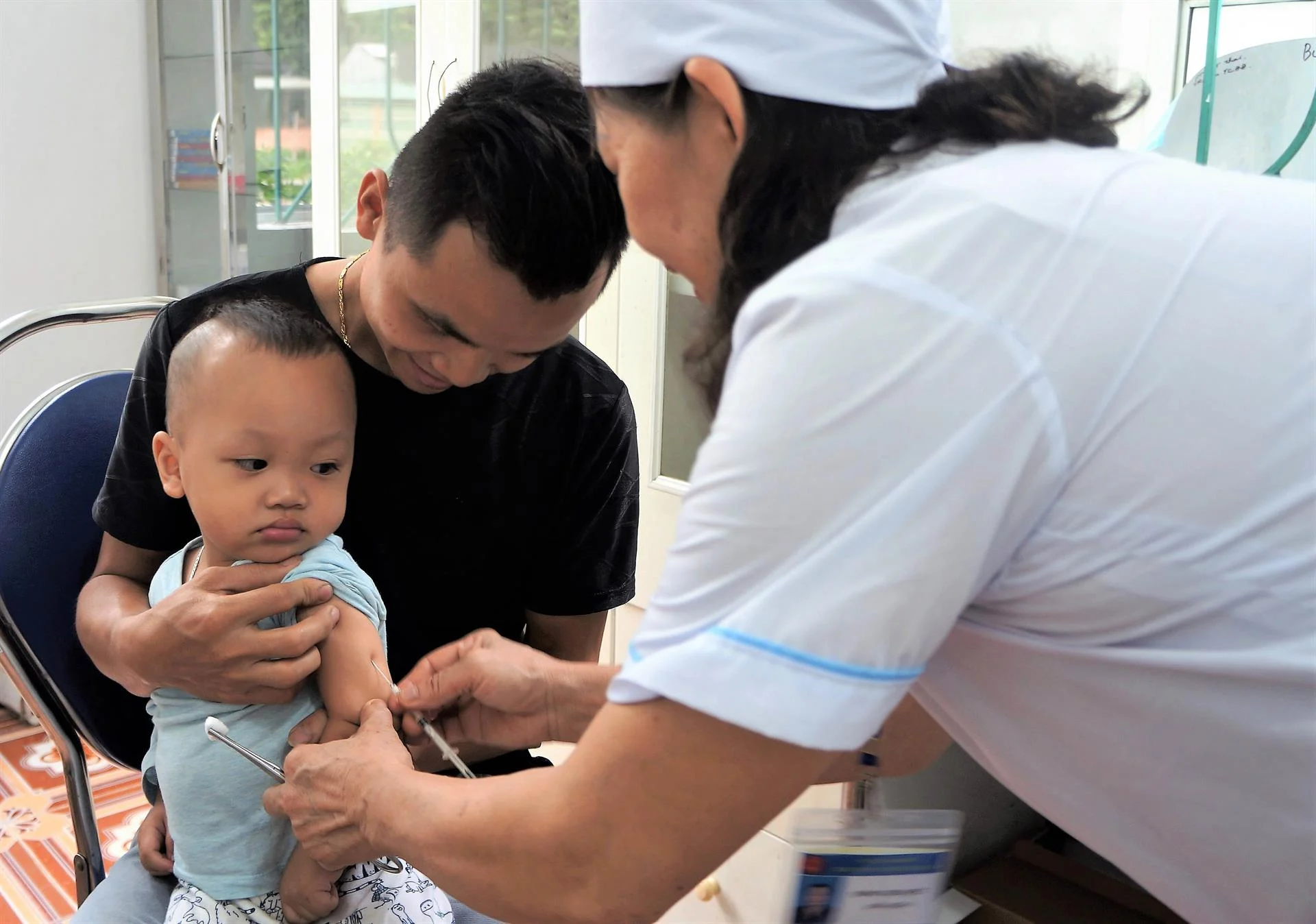
Objectives of EPI
- Decreased mortality & morbidity of infant or a child from six above mentioned disease
- Decreased disability from poliomyelitis
- Decreased maternal mortality c
- To prevent all the children from six mentioned disease.
EPI in Bangladesh and Its Policy
EPI in Bangladesh was formally launched on 7th April, 1979 the government of Bangladesh adopted the goal of UCI in 1985 and under this programme the following national EPI policies were developed.
- Immunize all children under 1 yr of age throughout the country.
- Immunize all women of child-bearing age including pregnant women throughout the country.
- Extend service delivery point upto the community to cover all target population.
- Involve community level health and family planning workers as vaccinators.
Present goal: EPI is committed to achieve the disease reduction goals which are
- Eradication of poliomyelitis.
- Elimination of neonatal tetanus.
- Reduction of measles incidence by 90% and measles mortality by 95% compared to pre- immunized period.
Strategies: Some strategies have been adopted to achieve these goals.
- Increase and sustain more than 90% routine immunization coverage of all antigens at all level.
- Implement National Immunization days to enhance polio eradication.
- Organize supplementary immunization activities for neonatal tetanus elimination and measles reduction through high risk approach,
- Strengthen AFP and EPI disease surveillance activities at all levels.
The strategies of EPI in Bangladesh:
- Increase and sustain more than 90% routine immunization coverage of all antigens at all levels.
- Implement National Immunization Days (NIDs) to enhance polio eradication.
- Organize supplementary immunization activities for neonatal tetanus elimination and measles reduction through high risk approach (MNT campaign).
- Strengthen AFP and EPI disease surveillance activities at all levels.
Classification of vaccines used in EPI
Live attenuated vaccine:
- Bacterial- BCG
- Viral- Oral polio
- Measles’
Toxoids: Tetanus toxoid (TT)
Extracted cellular fractions: Pneumococcal vaccine (PCV)
Combined:
- Pentavalent vaccine (DPT + hepatitis-B + haemophilus influenza-B
- MR vaccine (measles + rubella)
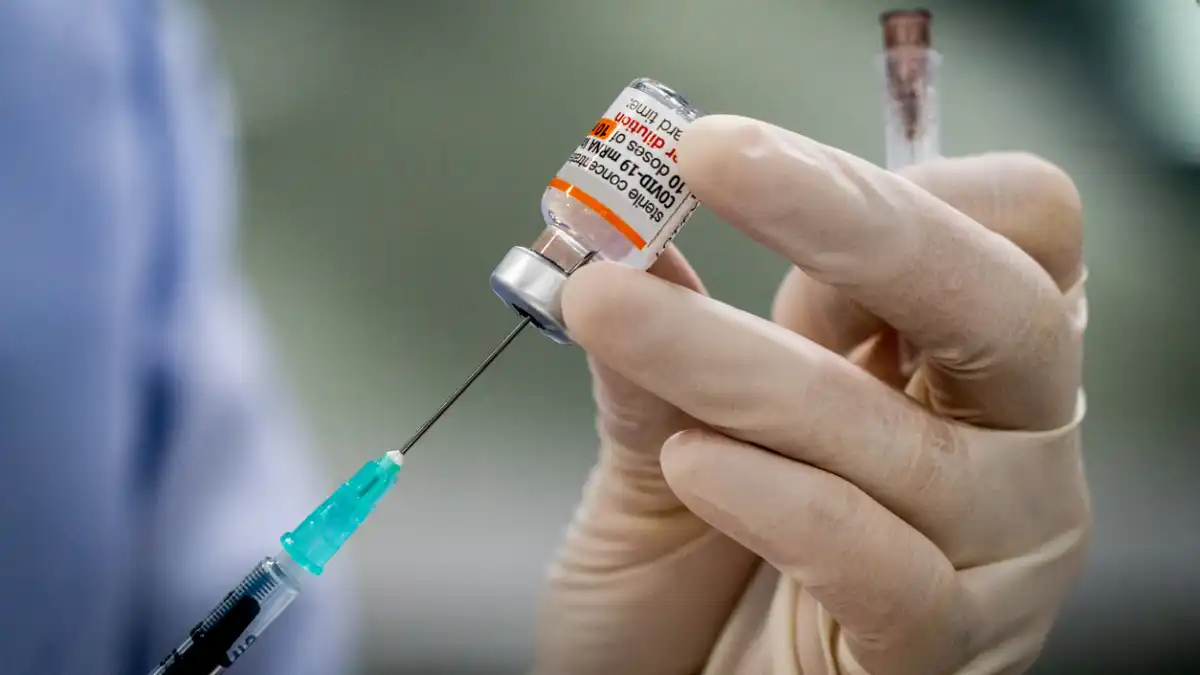
Vaccines used in EPI
1. BCG Vaccine (For tuberculosis).
2. Oral Polio Vaccine.
3. Pentavalent vaccine (DPT + hepatitis-B + Haemophilus influenza-B).
4. Pneumococcal vaccine.
5. Measles Vaccine.
6. MR vaccine (measles + rubella).
Recent EPI Schedule in Bangladesh
| Disease | Vaccine | Dose | Number of dose | Interval between dose | Right time of vaccination | Site of vaccination | Routes of Administration. |
| Tuberculosis | BCG | 0.05ml | 1 | – | After birth as soon as possible | Upper & outer part of left arm (Deltoid region) | Intradermal |
| Diphtheria Pertussis Tetanus Hepatitis-B Haemophilus Influenza-B | Pentaval ent vaccine (DPT Hepatitis -B, Hib.) | 0.5ml | 3 | 4 weeks | 6 weeks ,10 weeks , 14 weeks | Uppers & outer part of mid-thigh (left) | Intramuscular |
| Pneumococcal Pneumonia | PCV | 0.5ml | 3 | 4 weeks | 7 weeks ,10 weeks , 14 weeks | Uppers & outer part of mid-thigh (Rt) | Intramuscular |
| Poliomyelitis | OPV | 2 drops | 3 | 4 weeks | 8 weeks ,10 weeks , 14 weeks | Mouth | Orally |
| Poliomyelitis | IPV (Fraction al) | 0.1 ml | 2 | 8 weeks | 9 weeks , 14 weeks | Upper & outer part of left arm (Deltoid region) | Intradermal |
| Measles & Rubella | MR (13) | 0.5ml | 1 | – | When complete 9 month | Uppers & outer part of mid thigh (Rt) | Subcutaneous |
| Measles & Rubella | MR (2nd | 0.5ml | 1 | – | When complete 15 month | Uppers & outer part of mid thigh (Rt) | Subcutaneous |
Table 2: EPI immunization schedule of Bangladesh for women of child bearing age (15-49 years)
| Vaccine | Disease | No. of Dose | Starting time of doses | Route of Administration |
| MR | Measles & Rubella | 1 | At 15 years with the 1 dose of TT | Subcutaneous |
| TT (Tetanus toxoid) | Tetanus | 5 | TT-1: At 15 years | IM |
| TT (Tetanus toxoid) | Tetanus | 5 | TT-2: 28 days after TT-1 | IM |
| TT (Tetanus toxoid) | Tetanus | 5 | TT-3: 6 months after TT-2 | IM |
| TT (Tetanus toxoid) | Tetanus | 5 | TT-4: 1 year after TT-3 | IM |
| TT (Tetanus toxoid) | Tetanus | 5 | TT-5: 1 year after TT-4 | IM |
Disease which is Covered through EPI Vaccination
1. Tuberculosis
2. Diphtheria
3. Pertussis
4. Tetanus
5. Haemophilus Influenza
6. Pneumococcal Pneumonia
7. Hepatitis B
8. Poliomyelitis
9. Measles
10. Rubella
Nice to Know
শিশুদের নিয়মিত টিকাদান সময়সূচি
| রোগের নাম | টিকার নাম | টিকার ডোজ | ডোজের সংখ্যা | ডোজের মধ্যে ন্যূনতম বিরতি | টিকা দেয়ায় সঠিক সময় | টিকাদানের স্থান | টিকার প্রয়োগ পথ |
| যক্ষ্মা | বিসিসি | ০.০৫ এম এল | ১ | – | জয়ের পর থেকে | বাম বাহুর উপরের অংশে | চামড়ার মধ্যে |
| ডিফথেরিয়া, হুপিংকাশি, ধনুস্টংকার, হেপাটাইটিস বি, হিমোফাইলাস ইনফ্লুয়েঞ্জা-বি | পেন্টাভ্যালেন্ট ঢিকা (ডিপিটি, হেপাটাইটিস-বি. হিব) | ০.৫ এম এল | ৩ | ৪ সপ্তাহ | ৬ সপ্তাহ, ১০ সপ্তাহ, ১৪ সপ্তাহ | বাম উরুর মধ্যভাগের বহিরাংশে | মাংসপেশী |
| নিউমোকক্কাল নিউমোনিয়া | পিসিভি টিকা | ০.৫ এম এল | ৩ | ৪ সপ্তাহ | ৬ সপ্তাহ, ১০ সপ্তাহ, ১৪ সপ্তাহ | ডান উরুর মধ্যভাগের বহিরাংশে | মাংসপেশী |
| পোলিওমাইলাইটিস | বিওপিভি | ২ ফোটা | ৩ | ৪ সপ্তাহ | ৬ সপ্তাহ, ১০ সপ্তাহ, ১৪ সপ্তাহ | মুখে | মুখে |
| পোলিওমাইলাইটিস | আইপিভি (ফ্রাকশনাল) | ০.১ ফোটা | ২ | ৮ সপ্তাহ | ৬ সপ্তাহ, ১৪ সপ্তাহ | ডান বাহুর উপরের অংশে | চামড়ার মধ্যে |
| হাম ও রুবেল | এমআর টিকা | এম এল | ২ | – | ১৯ মাস ও ১৫ মাস বয়স পূর্ণ হলে | ডান উরুর মধ্যভাগের বহিরাংশে | চামড়ার মধ্যে |
১৫-৪৯ বছর বয়সের মহিলাদের টিকাদান সময়সূচি
| রোপের নাম | টিকার নাম | টিকার ডোজ | ভোজের সংখ্যা | টিকা শুরু করার সঠিক সময় | টিকাদানের স্থান | টিকার প্রয়োগ পথ |
| ধনুষ্টংকার | টিটি (টিটেনাস টক্সয়েড) | ০.৫ এম এল | টিটি-১ | ১৫ বছর বয়স হলেই যথাশীঘ্র | বাহুর উপরের অংশে | মাংশপেশী |
| ধনুষ্টংকার | টিটি (টিটেনাস টক্সয়েড) | ০.৫ এম এল | টিটি-২ | টিটি-১ পাওয়ার কমপক্ষে ২৮ দিন পর | বাহুর উপরের অংশে | মাংশপেশী |
| ধনুষ্টংকার | টিটি (টিটেনাস টক্সয়েড) | ০.৫ এম এল | টিটি-৩ | টিটি-২ পাওয়ার কমপক্ষে ৬ মাস পর | বাহুর উপরের অংশে | মাংশপেশী |
| ধনুষ্টংকার | টিটি (টিটেনাস টক্সয়েড) | ০.৫ এম এল | টিটি-৪ | টিটি-৩ পাওয়ার কমপক্ষে ১ বৎসর পর | বাহুর উপরের অংশে | মাংশপেশী |
| ধনুষ্টংকার | টিটি (টিটেনাস টক্সয়েড) | ০.৫ এম এল | টিটি-৫ | টিটি-৪ পাওয়ার কমপক্ষে ১ বৎসর পর | বাহুর উপরের অংশে | মাংশপেশী |