Today our topic of discussion is ” Fetal Development “. Development and inheritance are two fundamental biological processes that work together to shape the biological destiny of an organism. Development refers to the process by which an organism grows and develops, from the fertilized egg through maturity, while inheritance is the process by which genetic information is passed from one generation to the next. In this article, we will explore these processes in detail, their interrelation, and their significance in the biological sciences.
Fetal Development : Development and Inheritance
Development: A Journey from a Single Cell to Complexity
Development is a remarkable biological journey. It begins with a single fertilized egg, or zygote, which divides and differentiates to form the complex structure of a living organism. This process is guided by the organism’s genetic code, environmental interactions, and cellular mechanisms that regulate gene expression.
Embryonic Development
Embryonic development is the early stage of development, encompassing the formation and differentiation of the embryo. This period is critical because it sets the stage for all the complex structures and systems of the organism.
Cleavage and Blastulation
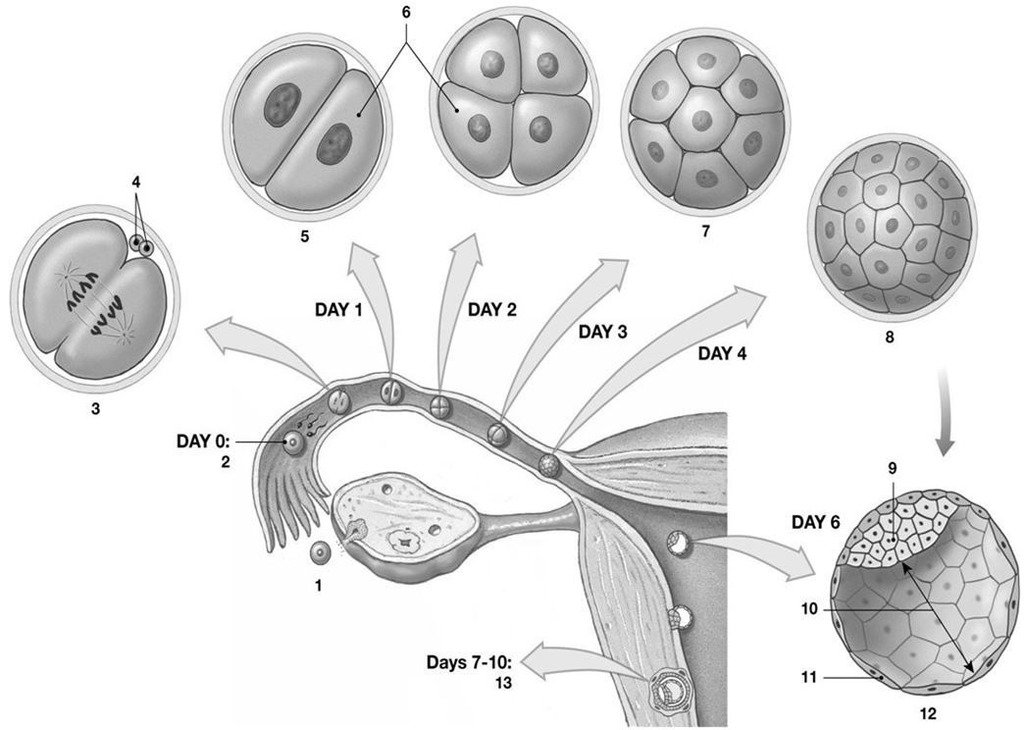
The zygote undergoes rapid cell divisions in a process known as cleavage, resulting in a multicellular ball called a blastula. These early cells are undifferentiated and identical, but as development progresses, they will start to take on specific roles.
Gastrulation and Germ Layer Formation
Gastrulation follows blastulation and is the process by which the blastula reorganizes itself into three primary germ layers: ectoderm, mesoderm, and endoderm. These layers will differentiate to form all the tissues and organs of the organism.
Organogenesis
Organogenesis is when the germ layers differentiate into the rudimentary organs of the organism. This process is precisely timed and regulated by genetic and molecular cues.
Post-Embryonic Development
Following the embryonic stage, development continues as the organism grows and its systems mature. This includes processes such as morphogenesis (the development of the body shape), growth, and the maturation of organ systems.
Inheritance: The Legacy of Genes
Inheritance is the transmission of genetic information from one generation to the next. It involves the replication, segregation, and passing on of the genetic material during reproductive processes.
Mendelian Genetics
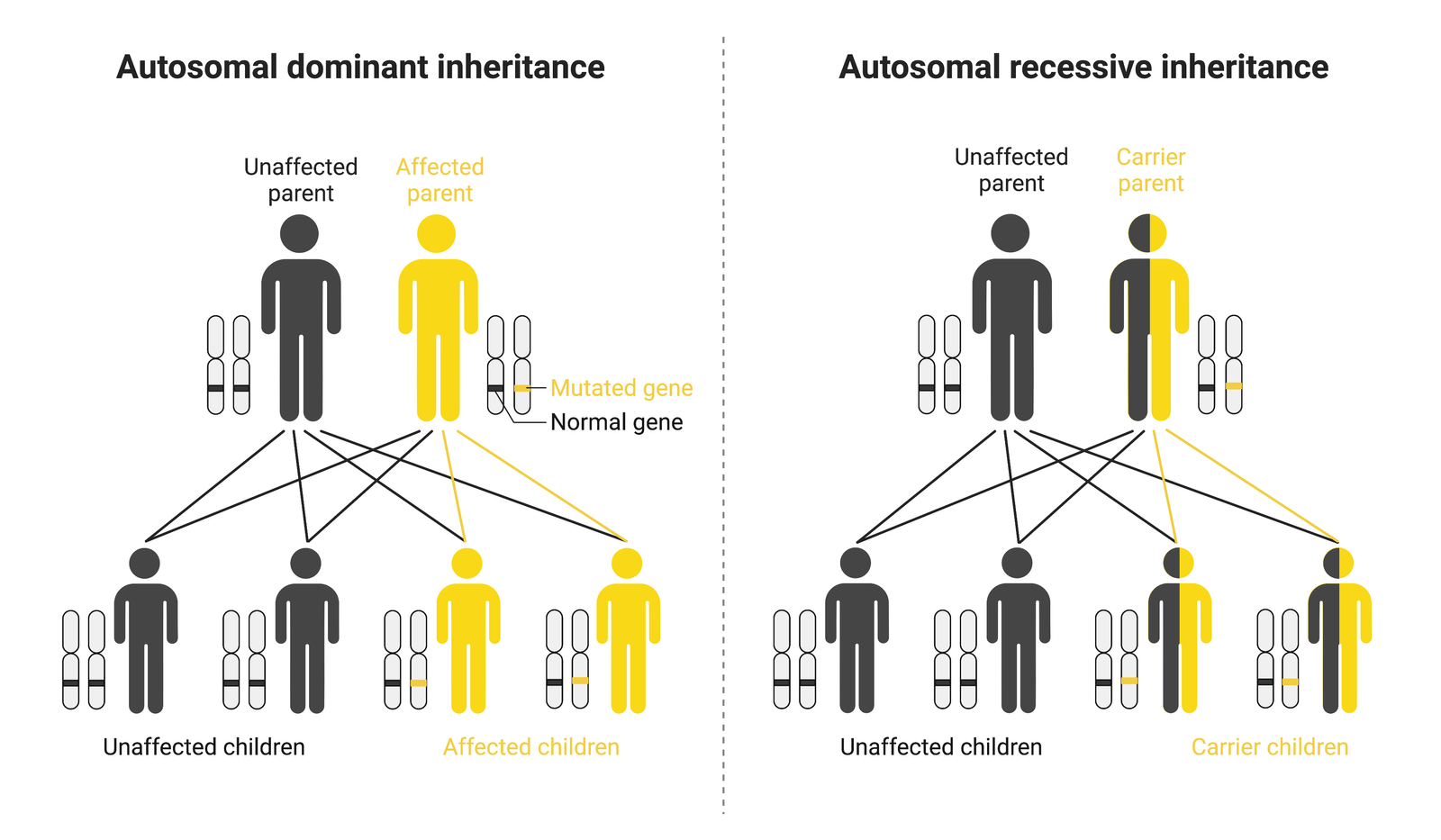
Mendelian genetics, based on Gregor Mendel’s foundational work, describes how individual traits are inherited. These principles of dominant and recessive traits explain the distribution of single-gene traits and their phenotypic expression.
Chromosomal Inheritance
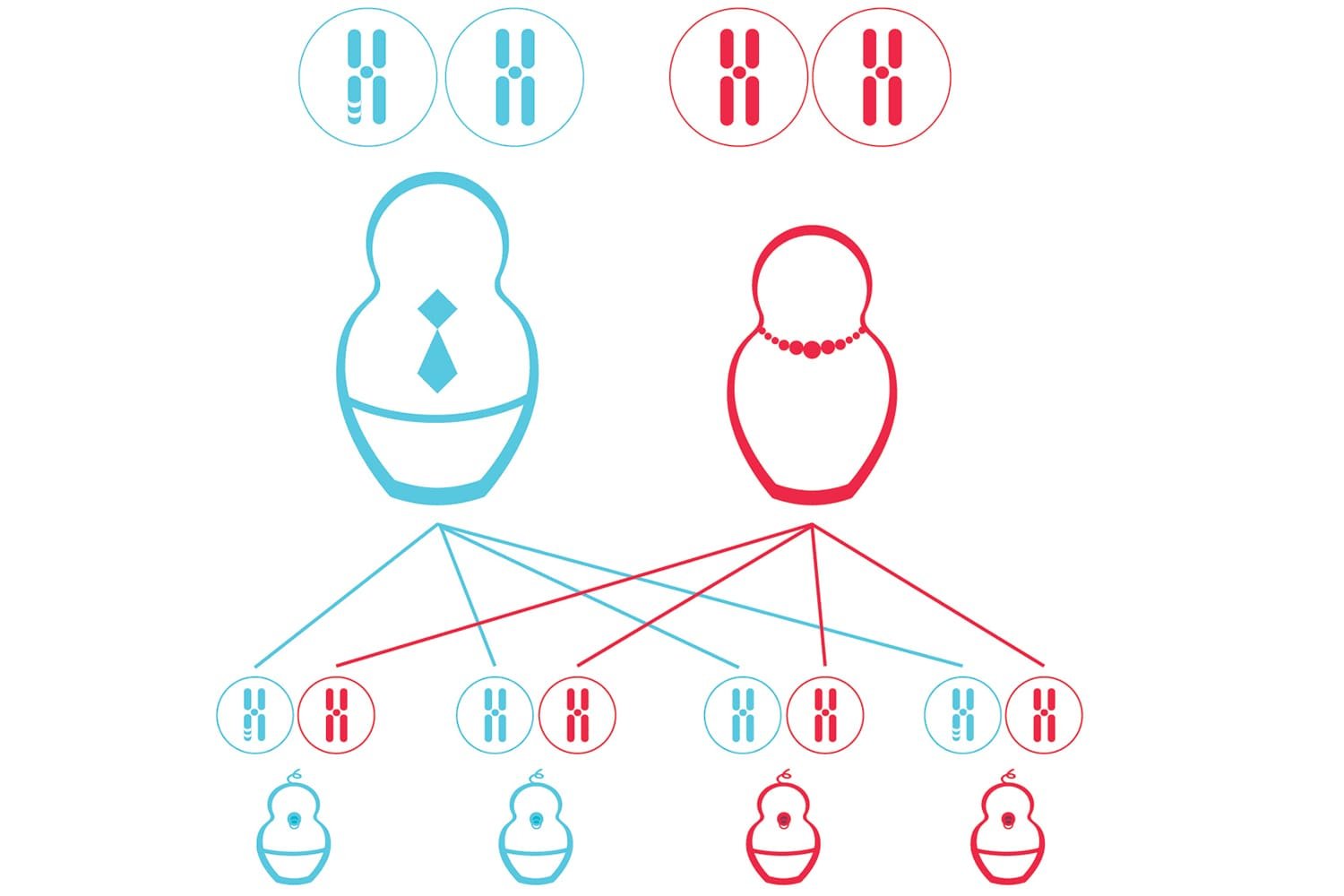
The inheritance of traits is also determined by the behavior of chromosomes during meiosis. This process ensures that offspring inherit a mix of chromosomes from both parents, including any potential genetic mutations or chromosomal anomalies.
Genetic Variation
Genetic variation is the raw material for evolution and is a critical aspect of inheritance. It is introduced through mechanisms such as mutation, recombination, and gene flow.
Epigenetics
In addition to the genetic code itself, epigenetic modifications can affect gene expression without altering the DNA sequence. These changes can sometimes be inherited and affect the development of the organism.
The Interplay of Development and Inheritance
The processes of development and inheritance are deeply intertwined. The genetic information passed down through inheritance is what drives development, dictating how an organism grows and what traits it will have.
Gene Expression and Development
The role of gene expression in development is a dynamic one. While the inherited genetic code provides the blueprint, how and when genes are expressed can influence development significantly.
Environmental Influences
Development is not solely determined by genetics. Environmental factors, such as nutrition, temperature, and exposure to chemicals, can influence the expression of genes and, by extension, the development of the organism.
Evolutionary Developmental Biology (Evo-Devo)
This field of study examines the evolutionary aspects of development and how genetic changes over time have led to the diversity of life. It is a synthesis of evolutionary biology and developmental biology, illustrating how inheritance affects development and vice versa.
Disorders of Development and Inheritance
When the processes of development or inheritance go awry, it can lead to developmental disorders or genetic diseases. These can be the result of genetic mutations, chromosomal abnormalities, or environmental factors.
Genetic Disorders
Disorders such as cystic fibrosis, sickle cell anemia, and Huntington’s disease are directly linked to inherited genetic mutations that disrupt normal development and physiological functions.
Developmental Disorders
Conditions like autism, spina bifida, and congenital heart defects are influenced by a combination of genetic susceptibilities and environmental factors, demonstrating the complex nature of development.
Teratogens
Teratogens are environmental agents that can cause congenital malformations. Understanding the inheritance of susceptibility to these agents is important for preventing developmental abnormalities.
Conclusion
Development and inheritance are two of the most fundamental concepts in biology. They are responsible for the continuity of life and the endless diversity seen in the biological world. From the basic principles laid out by Mendel to the modern understanding of gene expression, these processes remain at the heart of many areas of biological research, including genetics, medicine, and evolutionary biology.
Understanding development helps us comprehend how complex organisms are formed, and function, and how they can sometimes go wrong. Inheritance not only passes on the blueprint of life but also carries the potential for variation and change, driving evolution forward.
In medical genetics, knowledge of inheritance patterns is crucial for diagnosing and treating genetic disorders. In conservation biology, understanding these processes is essential for protecting the genetic diversity of endangered species.
As scientific techniques become more sophisticated, we gain a clearer and more detailed picture of how development and inheritance shape life. This knowledge has profound implications for biotechnology, healthcare, and understanding our place in the natural world. From the development of a single embryo to the evolution of species, development and inheritance remain central to the story of life.