Fracture of Femur – An orthopedic nurse is a nurse who specializes in treating patients with bone, limb, or musculoskeletal disorders. Nonetheless, because orthopedics and trauma typically follow one another, head injuries and infected wounds are frequently treated by orthopedic nurses.
Ensuring that patients receive the proper pre-and post-operative care following surgery is the responsibility of an orthopedic nurse. They play a critical role in the effort to return patients to baseline before admission. Early detection of complications following surgery, including sepsis, compartment syndrome, and site infections, falls under the purview of orthopedic nurses.
Fracture of Femur
It is the longest, densest, and strongest bone in humans. The average human femur measures 48 centimeters (19 inches) in length and 2.34 centimeters (0.92 inches) in diameter. It has the capacity to bear up to 30 times an adult’s weight.[1] It forms a portion of the knee and a portion of the hip (at the acetabulum).

The Latin term for thigh is femur. Since os femoris means “the bone within it” and femur means “thigh” in classical Latin, femur bone is theoretically more correct than femur in precise usage.
The word “woman” is represented by the genitive feminis in classical Latin, which is different from the genitive femoris in medical Latin. It should not be confused with case forms of femina.
Common fracture of the femur:
1) Proximal femur fractures.
i. Subtrochanteric fracture.
ii. Fracture of neck of femur.
2) Fracture shaft femur.
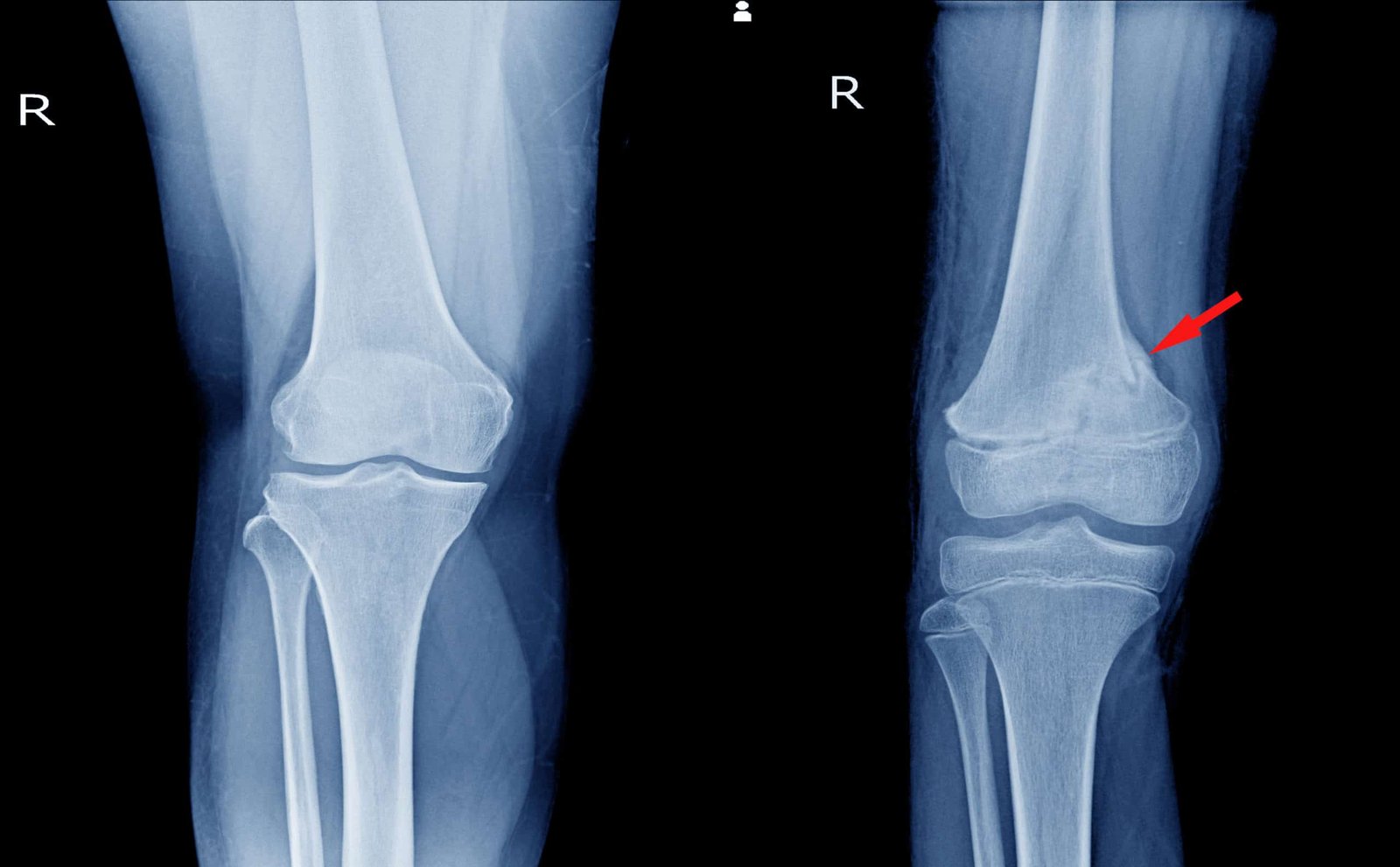
3) Supracondylar fracture of femur.
4) Ipsilateral fractures of femoral shaft and neck.
[Ref-John Ebnezar’s “Textbook of Orthopedics” 4th edition page-226]