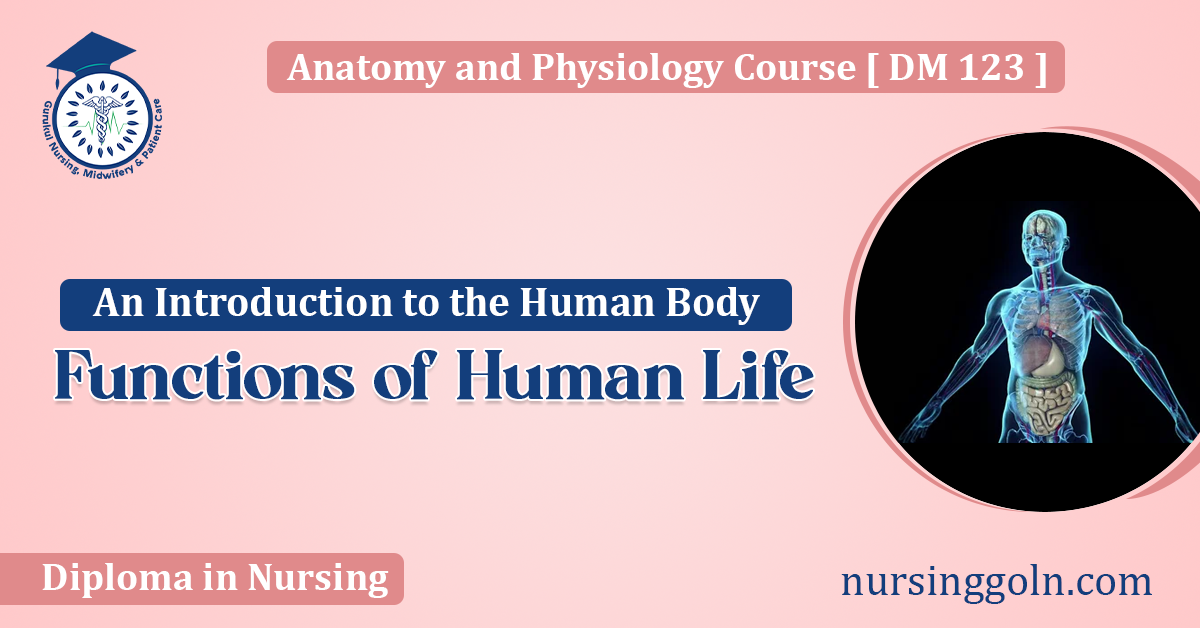
The human body, a magnificent assembly of cells, tissues, organs, and systems, functions as an integrated whole, orchestrating a myriad of processes to maintain life. It’s a dynamic entity that changes over time, growing, adapting, repairing, and reproducing. To understand the marvel of the human body, we must delve into its primary functions and the key systems that enable us.
Functions of Human Life: An Introduction to the Human Body

1. Homeostasis: Maintaining Stability Amidst Change
Central to life is the concept of homeostasis, which refers to the body’s ability to maintain a relatively stable internal environment despite external changes. Think about your body’s temperature. Whether it’s a hot summer day or a chilly winter evening, your internal body temperature stays close to 37°C (98.6°F). This stability is not by accident. Homeostatic mechanisms actively regulate variables such as temperature, pH levels, and nutrient concentrations to ensure they remain within a specific range.
2. Organization: From Cells to Systems
The human body is organized hierarchically, starting with the most basic unit of life: the cell. Cells combine to form tissues, tissues combine to form organs, and organs work together in organ systems.
- Cells: These are the most basic building blocks of life. Humans have trillions of cells, each specialized to perform specific functions.
- Tissues: A group of similar cells forms a tissue. There are four primary types: epithelial (covers body surfaces), connective (supports and binds), muscle (produces movement), and nervous (transmits signals).
- Organs: Organs are structures made up of two or more tissue types that work together to perform a specific function, like the heart or liver.
- Organ Systems: These are groups of organs working together. For instance, the cardiovascular system comprises the heart and blood vessels, ensuring blood circulation throughout the body.
3. Protection, Support, and Movement
- Integumentary System: The skin, hair, nails, and associated glands protect the body from external threats such as pathogens and regulate body temperature.
- Skeletal System: Our skeleton, made up of bones and joints, provides structural support and protection for internal organs. Bones also serve as a reservoir for minerals and the site for blood cell production.
- Muscular System: Muscles, attached to bones by tendons, enable movement. They also play a role in maintaining posture and generating body heat.
4. Integration and Coordination
- Nervous System: Consisting of the brain, spinal cord, and nerves, the nervous system coordinates body activities by transmitting signals across its network. It’s responsible for consciousness, intelligence, and emotions.
- Endocrine System: Comprising glands like the thyroid and pituitary, this system releases hormones into the bloodstream. Hormones regulate functions such as metabolism, growth, and reproductive processes.
5. Processing and Transport
- Cardiovascular System: The heart pumps blood, and the blood vessels transport it. Blood carries oxygen, nutrients, hormones, and immune cells throughout the body while removing waste products.
- Respiratory System: Via the lungs and associated pathways, this system provides oxygen required for cellular respiration and removes carbon dioxide, a waste product.
- Digestive System: Starting from the mouth to the anus, this system breaks down food into nutrients, which are then absorbed into the bloodstream. Undigested waste is excreted.
6. Excretion
- Urinary System: Comprising the kidneys, ureters, bladder, and urethra, it removes waste products from the bloodstream and regulates blood volume and pressure, electrolyte levels, and acid-base balance.
7. Reproduction and Development
- Reproductive System: This ensures the continuation of our species. It produces sex cells (sperm in males and eggs in females) and hormones, nurturing the developing fetus in females.
8. Immunity and Defense
- Lymphatic and Immune System: This system defends the body against pathogens. The lymphatic system returns tissue fluid to the bloodstream and contains sites for immune cell production.
9. Energy Production and Use
Every function mentioned requires energy. This energy primarily comes from the food we consume, which is broken down during digestion. Through cellular respiration, cells convert nutrients into adenosine triphosphate (ATP), the body’s primary energy currency.
In Conclusion
The human body is a testament to the intricacies of biological design. Its many functions and systems, seamlessly interwoven, ensure our survival, adaptation, and reproduction. Understanding its workings not only incites awe but is fundamental for professionals in health and wellness sectors. Moreover, appreciating its complexity can inspire individuals to adopt lifestyles conducive to their body’s well-being. Whether it’s the neurons firing in our brains or the rhythmic beating of our hearts, every aspect of our bodies underscores the wonder that is human life.