
Today our topic of discussion is General Instruction of Artificial Airway Management.
General Instruction of Artificial Airway Management
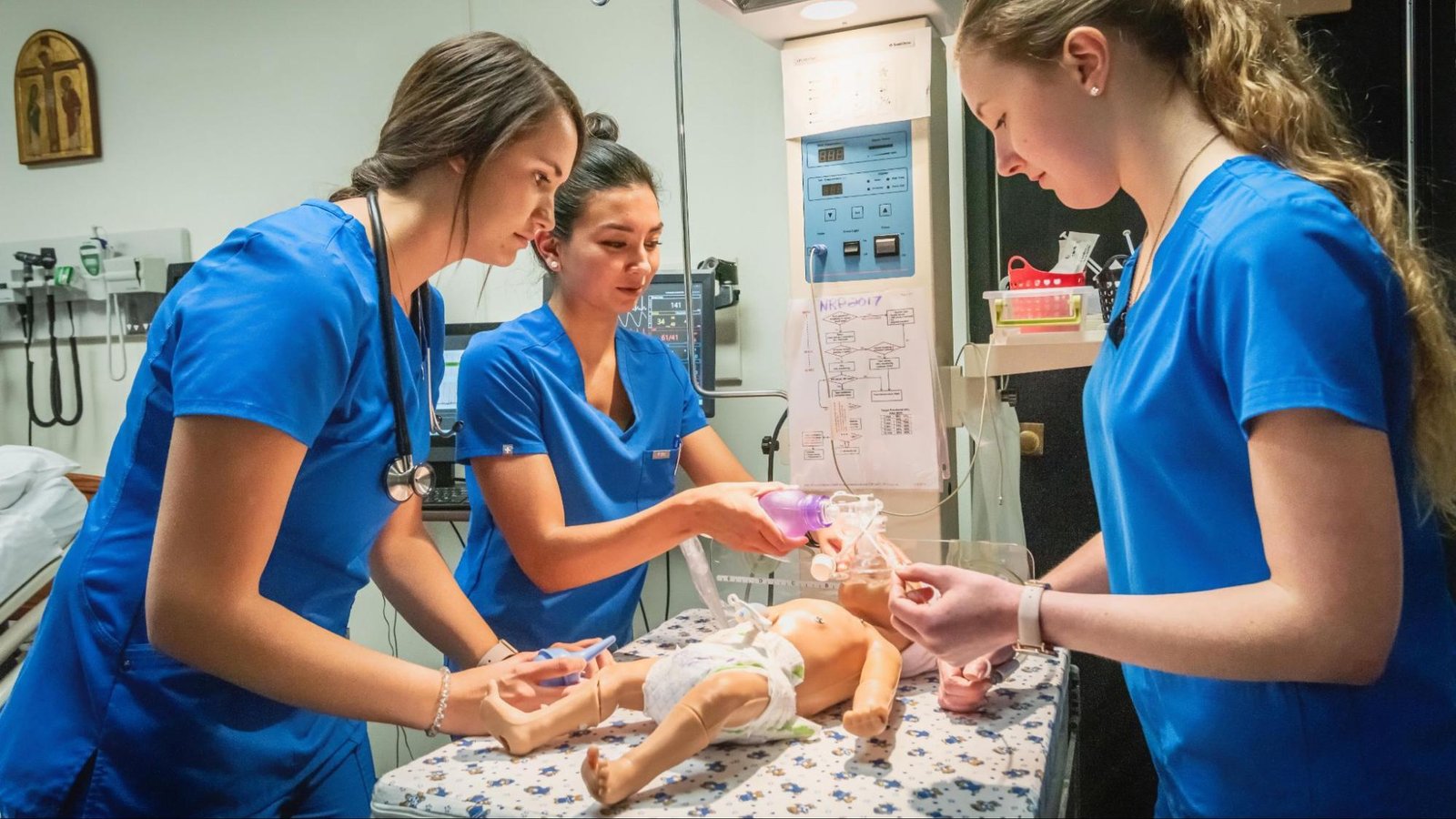
General Instructions
- Physical Management
- Ensure adequate ventilation and oxygenation through the use of mechanical ventilation, continuous positive airway pressure (CPAP) device, Briggs T-piece adapter
- Provide adequate humidity, since the natural humi- difying pathway of the oropharynx is bypassed. Clear airway of secretions as needed with suctioning
- Use aseptic technique when entering the artificial airway.
- The artificial airway is sterile below the level of the vocal cords
- Frequently assess the patient’s need for ventilatory assistance
- Elevate the patient to a semi-Fowler’s or sitting position, when possible, since these positions resulting improved lung compliance. The patient’s position however, should be changed at least every 2 hours, to ensure ventilation of all lung segments and prevention of secretion stagnation. Position changes are also necessary to avoid skin breakdown
- Nutrition endotube: Recognizes that the tube holds open the epiglottis. Therefore, only the inflated cuff prevents the aspiration of oropharyngeal contents into the lungs. The patient must not receive oral feeding. Nutrition must take the form of external tube feedings
- Be aware of the complications and damage that inflated cuffs may have on the tracheal mucosa. Endotracheal tube cuffs should be inflated continuously and deflated only during intubations, extubation, and tube repositioning. The internal cuff pressure should be checked every 2 hours (Figs. 29.7A to C)
- External tube site care endotube: Patients with endotracheal tubes have mouth care every shift, or a frequently as needed. Oral secretions tend to stagnate and risk oral infection is increased. An oral endotracheal tube may also stimulate as increase in the production of oral secretions. The tube must be secured at all times and the ventilator, CPAP or T-piece tubing supported so that traction is not applied to the tube.
- Have available at all times all the patient’s bedside a resuscitation bag, oxygen bag source and mask to ventilate the patient in the event of accidental removal anticipate your course of action in such an event. Endotracheal tube: Know the location and assembly of reintubation equipment. Know the method of contact personnel capable of reintubation.
Psychological Care of the Patient
- Recognize that the patient is usually apprehensive particularly about choking inability to communicate verbally, being unable to remove secretions, difficulty in breathing, or mechanical failure
- Explain the function of the equipment carefully
- Inform the patient and his family that he will not be able to speak while the tube is in place being a tracheostomy tube (Figs. 29.8A and B)..
Equipment
- Laryngoscope with curved or straight blade and working light source
- Endotracheal tube with low pressure cuff and adapter to connect tube to ventilator or resuscitation bag
- Stylet to guide the endotracheal tube
- Oral airway or bite block to keep the patient from biting into and occluding the endotracheal tube
- Adhesive tape or tube fixation system
- Sterile anesthetic lubricant jelly
- Syringe
- Suction source
- Suction catheter and tonsil suction
- Resuscitation bag and mask connected to oxygen source
- Anesthetic spray.

Preparation of the Patient and the Environment
- Monitor the patient’s heart rate, level of consciousness and respiratory status
- Remove the patient’s dental bridgework and plates
- Remove headboard of bed.