
Today our topic of discussion is General Postoperative Care.
General Postoperative Care
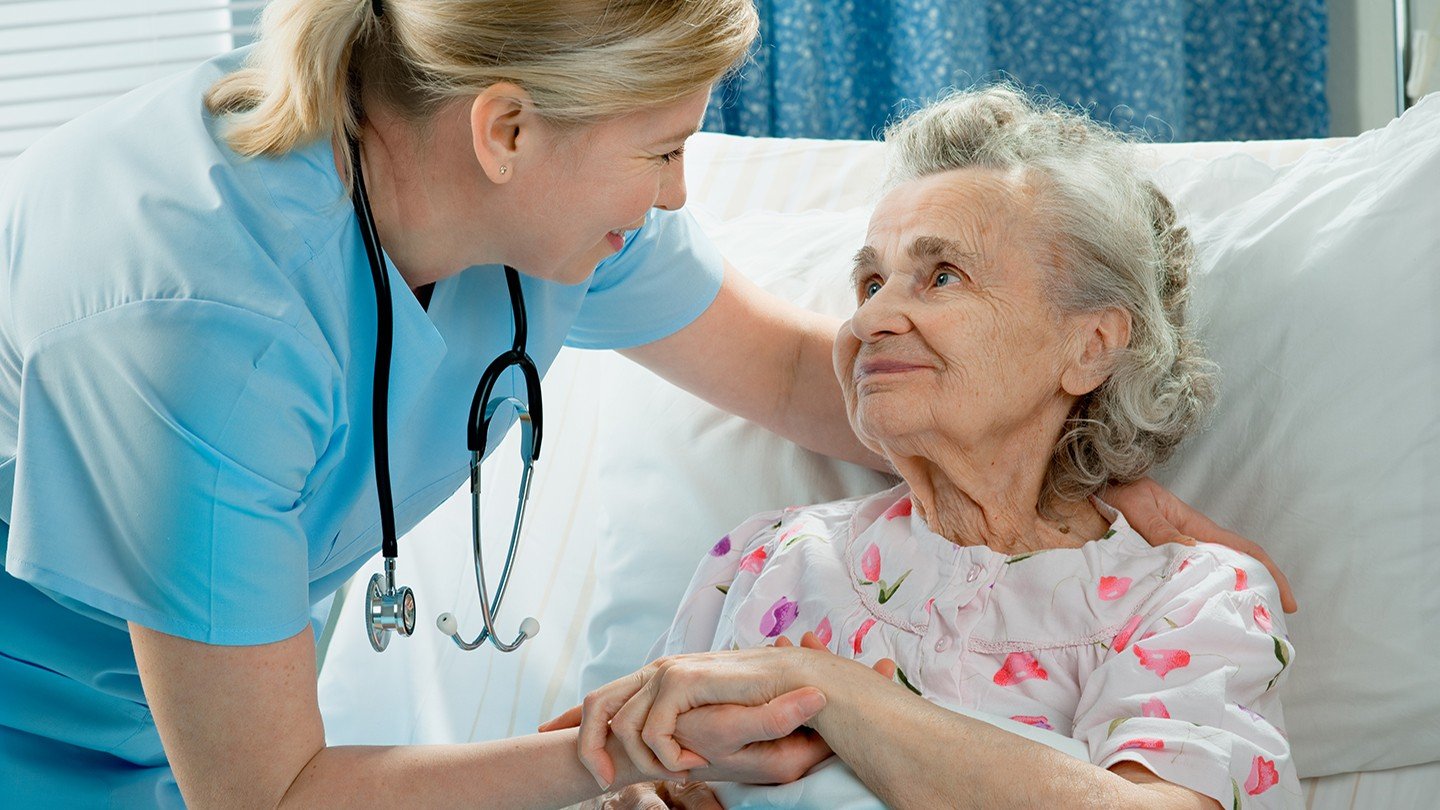
Postoperative Care (General)
Preparation of Postanesthetics and Reception of the
Patient
- After sending the patient to operating room.
- Prepare a bed to receive the patient undergone surgery and anesthesia.
- There should be adequate number of people to transfer the patient without disturbing the functioning of the devices attached with the patient (Fig. 28.33)
- Receive the patient, without disturbing the devices attached to the patient Ask the theater staff who has accompanied with the patient about any complication that has occurred in the operation room during surgery
- Before the theater staff (including anesthetist) return to operation theater, check the vital sign Check the operation site for bleeding, discharge, etc. if drainage tubes are filled Keep the patient well covered to prevent draught
- Never leave the patient alone to prevent injury from fall
- Observe the patient for swallowing reflexes Quickly observe the functioning of all devices and make sure they are in its functioning order
- Check the doctor’s order for other instruction and treatment
Care of Patient Who is under the Effects of Anesthesia
- Patient needs close and diligent observation, until the patient fully recovers from anesthesia
- A noisy breathing is indicative of airway observation that can occur due to the tongue falling lick and obstructing the pharynx apply suction immediately
- Keep the patient in a suitable position that will be helpful to drain out the vomits, blood, secretions collected
- The oropharyngeal airway left in the mouth of the patient should be removed as soon as the patient has required cough and swallowing reflexes
- If the patient is cyanosed administer oxygen inhalation
- In order to prevent injury from falls from bed, put aside rails on the bed.
- Keep the family informed about the successful completion of surgery, transfer of the patient from the operating room to recovery room, etc.
Observation of the Patient in the Postoperative Period
- Close and diligent observation by the nurses is important to prevent complication in the early stages. and thus, save the patient.
- On the first day (postoperative) the patient close and frequent observation is needed.
- The main points that should be observed are:.
- Vital signs-BP. pulse rate, respiratory rate
- Intake and output-IV fluids, oral fluids Urinary concept-time and amount
- Bowel movement
- Sign of hypo/hypervolemia
- Any breathing difficulties .Pain over the half muscles.
- Postoperative assessment is discussed in Table 28.1.
Diet of the Patient
- All patients, except patients, who had abdominal surgery, may start the normal diet, if desired so, on the first day
- Patient who had abdominal surgery, but did not involve the intestine or stomach, can have the clear fluids on the day after the surgery
- Gradually, if can change into soft diet and then normal diet
- The patient who had undergone any type of surgery need a diet such in vitamin and minerals.
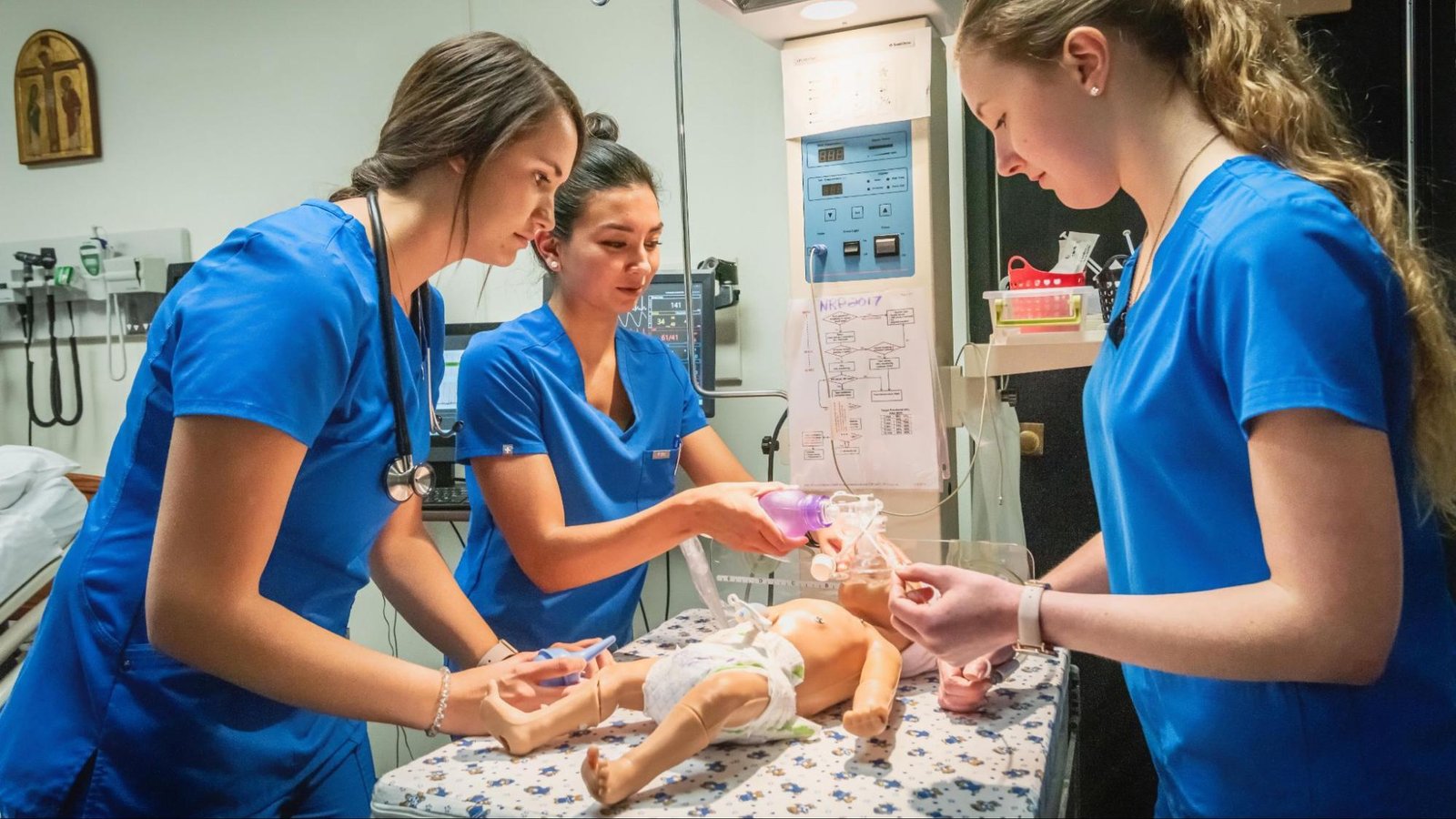
Postoperative Health Teaching
All patients need health teaching according to the educational background of the patient. Teach the patient following points:
- Maintain of personal hygiene
- Diet that is allowed for the patient, any control on the diet
- Ambulation; activities that are permitted as well as restricted
- Any drugs to be taken postoperatively; the side effects and precautions
- Date on which the patient may resume duty
- Further treatment that may be needed.