History of Nursing Profession – Nursing is a profession within the healthcare sector focused on the care of individuals, families, and communities so they may attain, maintain, or recover optimal health and quality of life. Nurses may be differentiated from other healthcare providers by their approach to patient care, training, and scope of practice. Nurses practice in many specialisms with differing levels of prescriber authority.
Many nurses provide care within the ordering scope of physicians, and this traditional role has shaped the public image of nurses as care providers. However, nurses are permitted by most jurisdictions to practice independently in a variety of settings depending on training level. In the postwar period, nurse education has undergone a process of diversification towards advanced and specialized credentials, and many of the traditional regulations and provider roles are changing.
Nurses develop a plan of care, working collaboratively with physicians, therapists, the patient, the patient’s family, and other team members, that focus on treating illness to improve quality of life. Nurses may help coordinate the patient care performed by other members of an interdisciplinary healthcare team such as therapists, medical practitioners, and dietitians. Nurses provide care both interdependently, for example, with physicians, and independently as nursing professionals.
History of Nursing Profession
The history of nursing spans the history of humankind. For as long as there has been life, there has been the need to provide care and comfort to those suffering from illness and injury. From the dawn of civilization, evidence prevailed to support the premise that nurturing has been essential to the preservation of life. Survival of the human race, therefore, is inextricably
intertwined with the development of nursing. Nursing has been called the oldest of the arts and the youngest of the profession. The word nurse evolved from the Latin word nutritious, which means nourishing. The roots of medicine and nursing are intertwined and found in mythology, ancient Eastern and Western cultures, and religion.
Nursing has been defined by various authors at various times. Henderson says “Nursing is primarily assisting the individuals (sick or well) in the performances of those activities, contributing or its recovery (or to peaceful death) that he would perform unaided if he had the necessary strength, will or knowledge.

The unique contribution of nursing is to help the individual to be independent or such assistance as soon as possible. The International Council of Nurses defines “Nursing is to assist the individual, sick or well in the performance of those activities contributing to health or to its recovery (or to peaceful death) that he would perform unaided if he had the necessary strength, will or knowledge.
And to do this in such a way as to help gain independence as rapidly as possible. Nursing, besides being an honorable profession, is one of the oldest arts and an essential modern occupation.
Nursing is one of the greatest humanitarian services and all people whether ill or well, rich or poor, literate or illiterate, young or old, at work or at play, in or out of the hospital, are in some way or other, directly or indirectly closely associated with it. Nursing has its own body of knowledge scientifically based and humanitarianism that promises expanded benefits to people and society.
It assists the individual or family to achieve their potential for self-direction for health. Nursing is not only an applied science, it is also an art, that provides skillful care for the sick in an appropriate relationship with the patient, family, physician, and others who have related responsibilities.
It is concerned equally with the prevention of illness and the conservation of health. Skillful nursing care embraces the whole person, body, mind, and soul, his physical, mental, social and spiritual well-being (holistic approach). In its broadest sense, nursing covers not only the care of the sick, the aged, the helpless, and the handicapped but also cares for the promotion of health and prevention of illness. The art of nursing had its birth in the earliest home where a mother cared for the well-being of the rest members of the family.
It is this mother’s care that through the ages developed into a skilled art and a well-organized science. It will be interesting to know and understand the vast changes that nursing has passed through, in order to meet the needs of a changing civilization.
Nursing in Ancient Times
Ancient history shows records of nursing. What we know about the care of the sick in ancient times has been discovered through songs and findings of archaeologists. People were interested in the mysteries of life, birth, disease, and death. Men lived very close to nature; life was very simple; people made few changes except when men were compelled to do so. Men attributed spiritual value to all natural objects, believing that objects in nature such as trees or rivers had spirit or soul.
Objects in nature became friends such as water and trees, while storms and poisonous plants became enemies. Attitudes change according to man’s ability to control nature. They thanked friendly harmless objects for their help and tried to cooperate with the unfriendly, threatening situations
Disease was believed to be caused by evil spirits within the body. The body had to undergo unpleasant experiences to get rid of these evil spirits. Men thought disease was caused by their failure to satisfy the gods, or was punishment for their sins. These ideas are still prevalent today even among highly civilized and intelligent people.
People were ignorant of the laws of nature. People were beaten to get rid of evil spirits; sudden fright, loud noises, and magic ceremonies were also used to get rid of evil spirits. Holes on the bodies were made for the evil spirits to escape. Sacrifices were offered as a treatment. Care was given by the man who knew the signs and symptoms of evil spirits and knew what to do in certain conditions. He wore a strange dress and used magic words. He took his role as a priest.
He attempted to understand and control the forces of health and disease. The skill of primitive men in fighting disease has given us many medical and surgical treatments. Massage, fomentation, trephining, bone setting, amputations, hot and cold baths, abdominal sections, and heat to control hemorrhage are some of the skills gained from primitive men.
Nursing in India
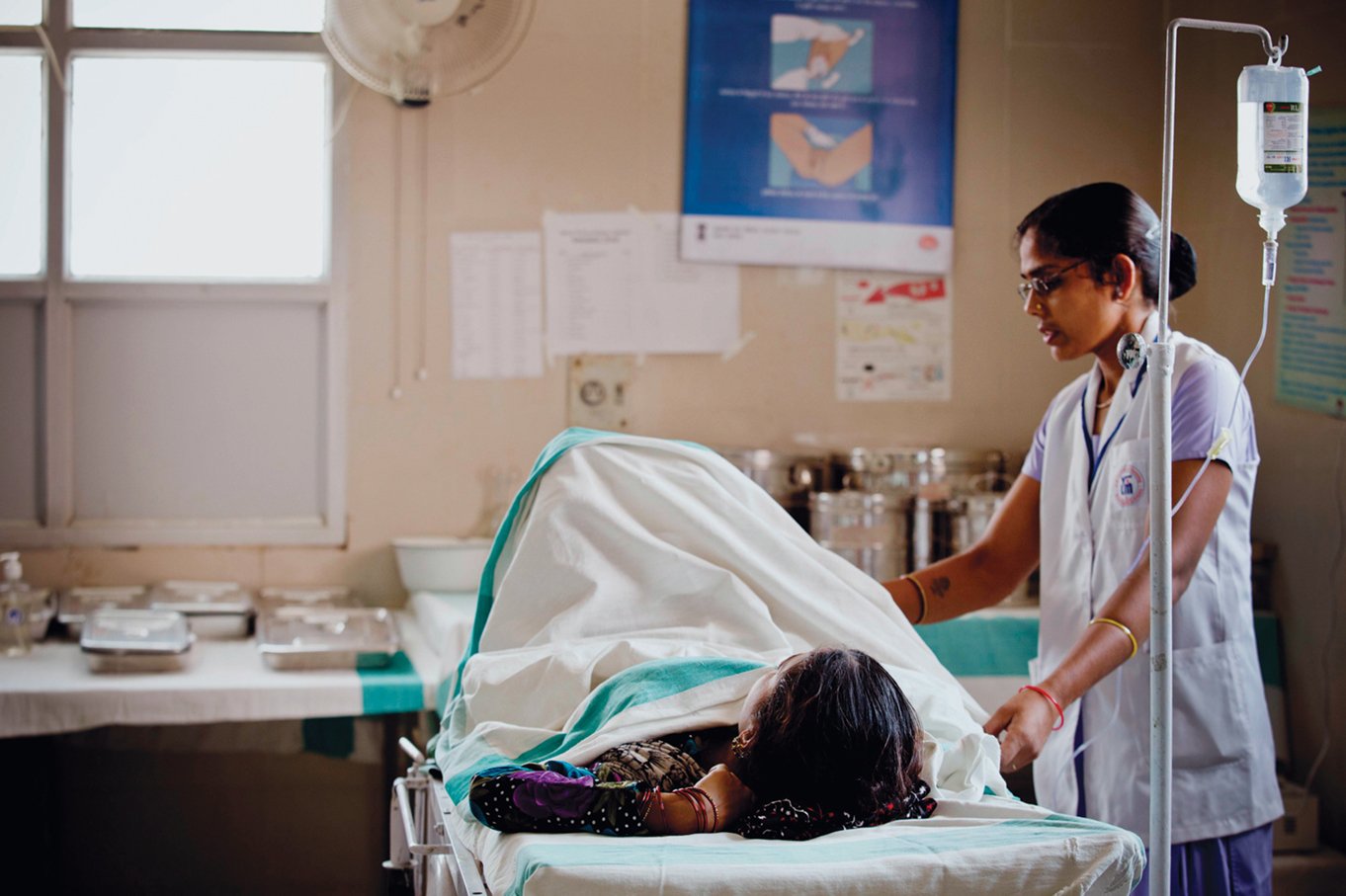
The earliest Indian medicine was Ayur Veda Medicine found in Veda 5000 B.C. About 1400 B.C. Charaka, the father of medicine, wrote a book on internal medicine. From these books, we learn the hospitals were large and well-equipped. Surgery had advanced to a high level. Doctors and attendants or nurses had to be people of high moral character. King Ashoka B.C.226- 250, built monasteries and houses for travelers; hospitals for men and animals were founded.
The hygienic practice was adapted; cleanliness of the body was a religious duty. First importance was given to the prevention of diseases. Doctors and nurses were expected to be skillful and trustworthy. They had to keep their nails short. Nurses were usually men or old women.
Nursing in China
China was quite advanced in medicine. Before 2000 B.C., medical professionals were allowed to practice dissection. They knew about the circulation of blood. They had a good description of internal organs. Sen-Lung was known as the father of medicine. The doctors used a systematic method of diagnosis. Their slogan was Look, Listen, Ask, and Feel. By 100 B.C. they used vaccination. They recognized syphilis, and gonorrhea, used liver diets for anemia, seaweed or iodine for thyroid conditions, and chaulmoogra oil for leprosy by 3000 A.D.
Bathing and wearing clean clothes were advised and practiced. Importance was given to hygiene. However, nursing was not practiced as they believed that disease was due to evil spirits in the patient and they might enter anyone who touched the sick person. Medical progress was therefore hindered by this belief in common people.

Nursing in Egypt
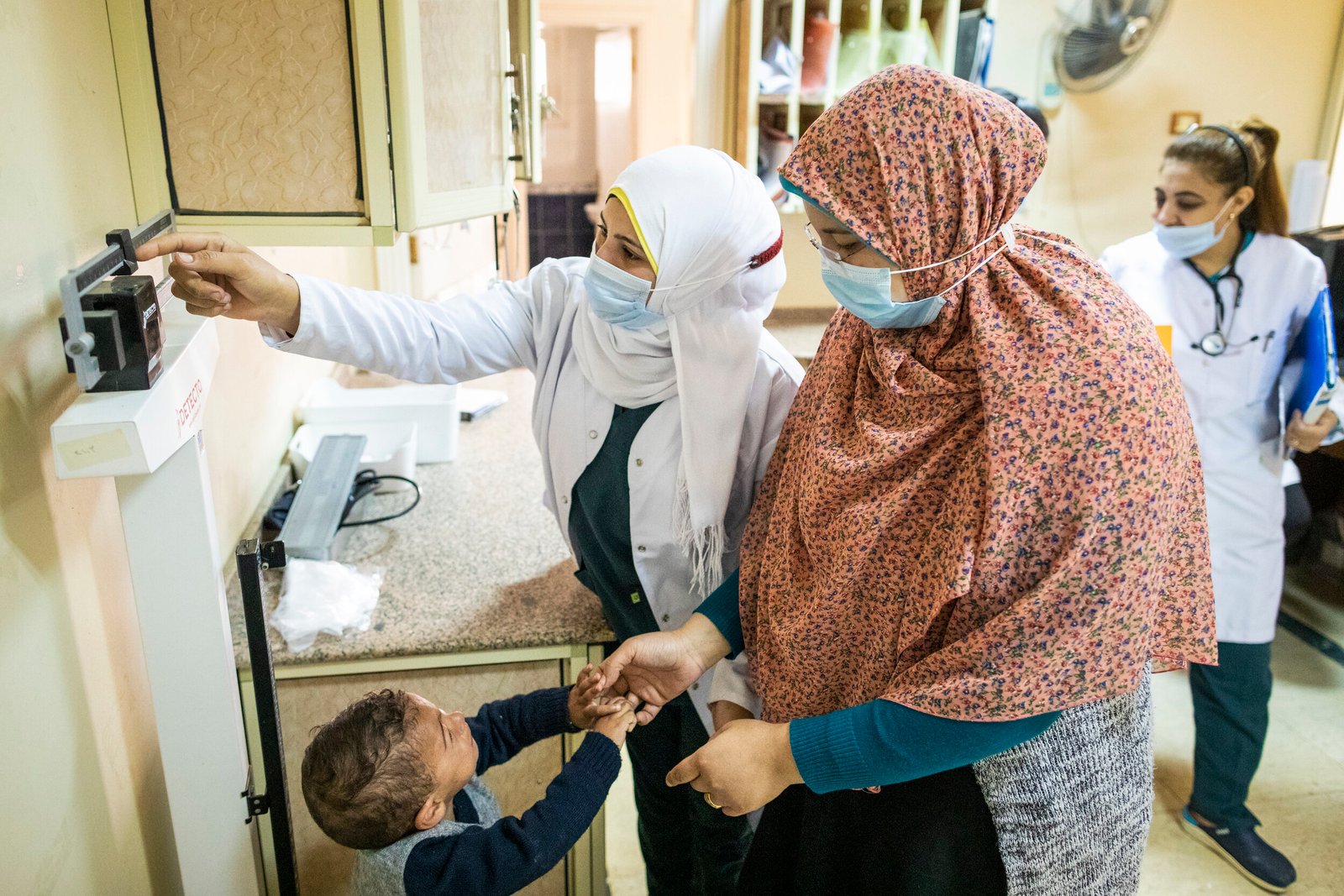
During 1500 B.C. Egyptians used Castor oil and lead and copper salts as remedies for diseases. There were well-specialized doctors for eyes and teeth. They had good knowledge of community health. There were planned cities and public baths. They had underground drains and midwives for deliveries.
Nursing in Greek and Roman Medicine
People in Greece believed that medicine was of divine origin and was represented by many gods. Apollo, the sun god, represented health and medicine, his son Aesculapius, was the god of healing and his daughter, Hygeia, was the goddess of health. Temples were built for gods. A priest physician was in charge of it. People came to the temple and believed that during their sleep god would appear and prescribe them treatment. They used special diets and massage baths.
Hippocrates gave scientific views to medicine. He was known as the father of medicine. He taught doctors the signs and symptoms of diseases. The treatment was based on diagnosis. He developed ways of doing physical examinations and taking histories. Stress was given to good health by eating a good diet, fresh air, and maintaining cleanliness. He gave instructions on hot applications, poultices, cold sponges for fever, fluid for kidney diseases, and mouthwashes.
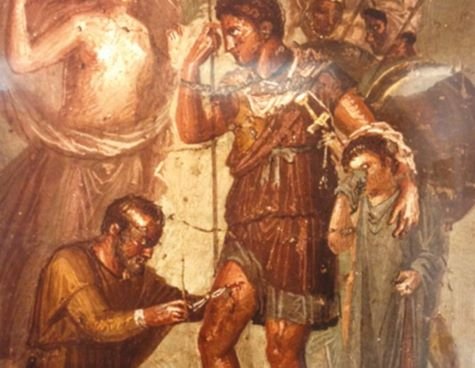
Rome learned a lot from Greece about medicine. Rome built good sanitation, good roads, and bridges. There were pubic baths for men and women; drinking water was brought by channels or large pipes. A drainage system and sewage were made. They built marketplaces and hospitals. Old women and men of good character did nursing in those days.
Nursing in Modern Times
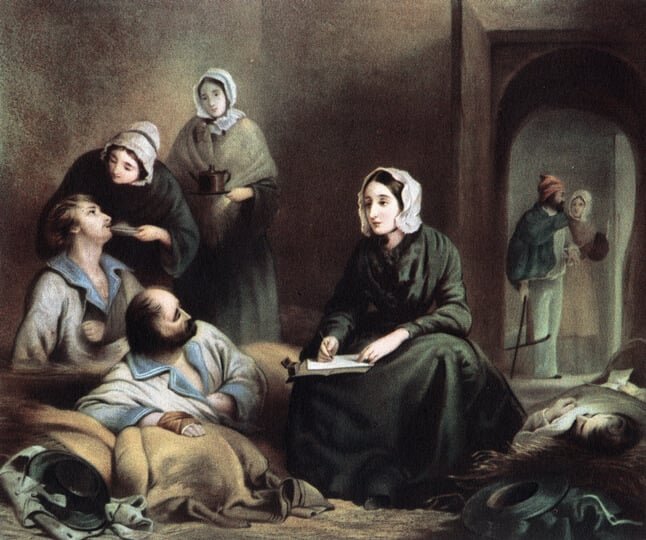
The modern form of nursing was started by Florence Nightingale. Before that, it was influenced by religious groups. In the 15th and 16th centuries, nursing was dominated in Europe by religious bodies including Benedictine and Augustinian sisters, Franciscan brothers, and sisters of charity.
The original motivation for caring for the sick was in order to ensure one’s salvation by engaging in self-sacrificing work. That is why nursing was considered as a noble work. Today, salvation has been replaced by a desire to serve people, nations, and the world with the help of scientific technology.
Actually, Florence Nightingale (1820-1910) revived nursing during her lifetime. She said, “Nursing is to help the patient to live.” She was one of the most influential reformers of her time. Even today, her writings remain as relevant as they were 120 years ago. Her own practical experiences combined with her own aims for the nursing profession gave her a greater insight into problems of hospital administration than her contemporaries.
Her social position enabled her to give ideas to the committees, which controlled the voluntary hospitals in those days. But above all, she had the determination to use every weapon she possessed including charm and social pressure to achieve the objective she had in mind, thus becoming the greatest publicist the profession has ever had.
After the Crimean War of 1854, nursing could never be the same again. Florence Nightingale’s adventure in Crimea drew public attention on an enormous scale to the problems of the nursing role in transforming the recruitment, training, and practice of the new profession.