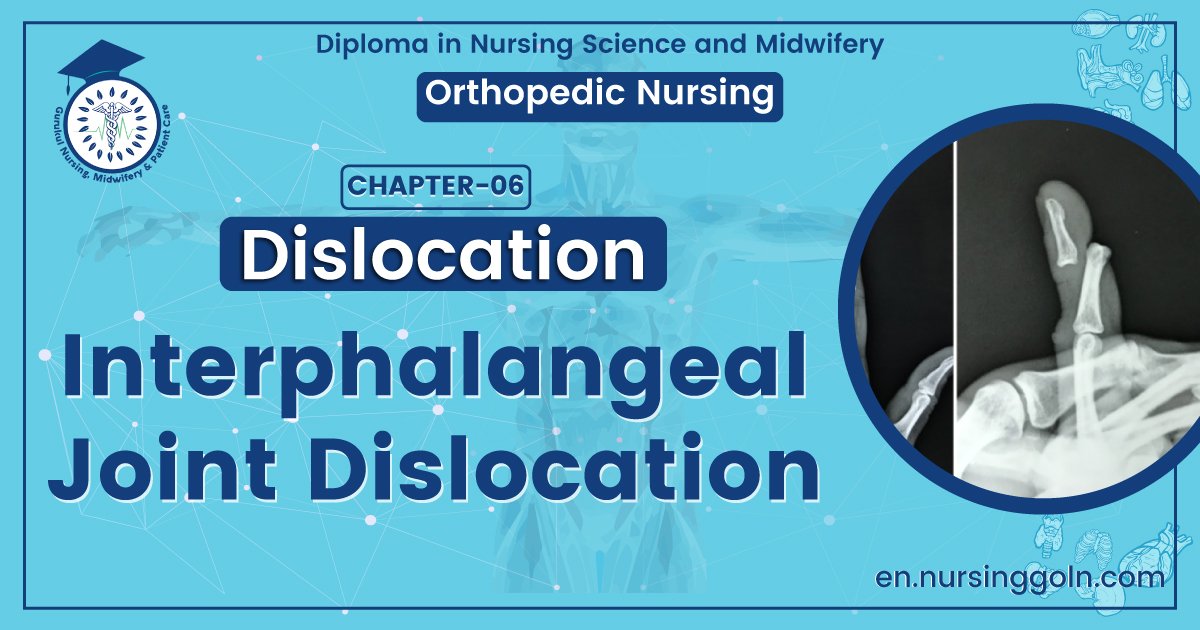
Interphalangeal joint dislocation – An orthopedic nurse is a nurse who specializes in treating patients with bone, limb, or musculoskeletal disorders. Nonetheless, because orthopedics and trauma typically follow one another, head injuries and infected wounds are frequently treated by orthopedic nurses.
Ensuring that patients receive the proper pre-and post-operative care following surgery is the responsibility of an orthopedic nurse. They play a critical role in the effort to return patients to baseline before admission. Early detection of complications following surgery, including sepsis, compartment syndrome, and site infections, falls under the purview of orthopedic nurses.
Interphalangeal joint dislocation
Anatomy of the inter phalangeal joint :
Interphalangeal joint dislocation:
1) Dorsal dislocation (most common).
2) Pure volar dislocation.
3) Rotatory volar dislocation.
4) Complete collateral ligament disruption.
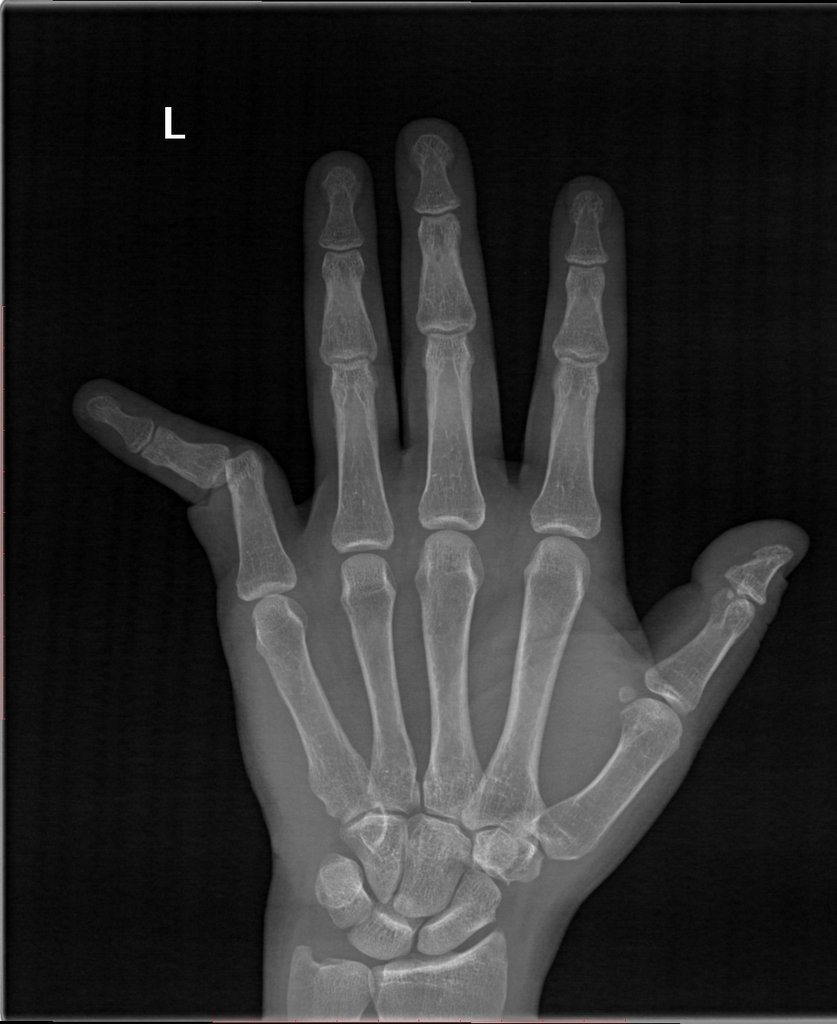
[Ref-John Ebnezar’s “Textbook of Orthopedics” 4th edition page-199]
Clinical features of IP joint dislocation:
1) Pain.
2) Swelling.
3) Tenderness.
4) Deformity.
5) Loss of function of the distal IP joint is seen.
[Ref-John Ebnezar’s “Textbook of Orthopedics” 4th edition page-199]
Treatment of IP joint dislocation:
A. Non-operative Management: This is indicated for closed injuries and for reducible injuries. After reduction:
1. Buddy taping with immediate AROM for rotatory volar dislocation.
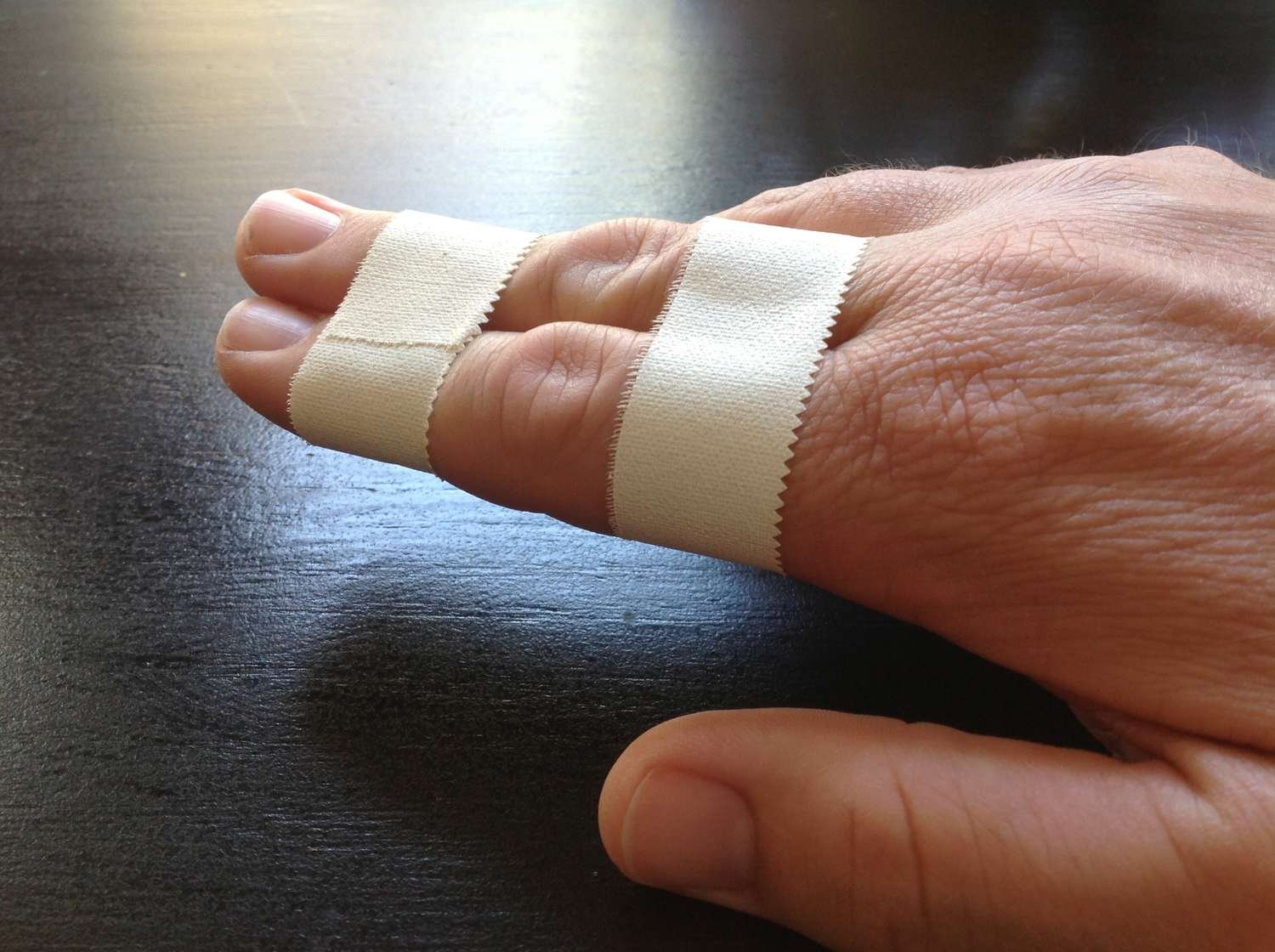
2. For collateral ligament injuries buddy taping with immediate AROM.
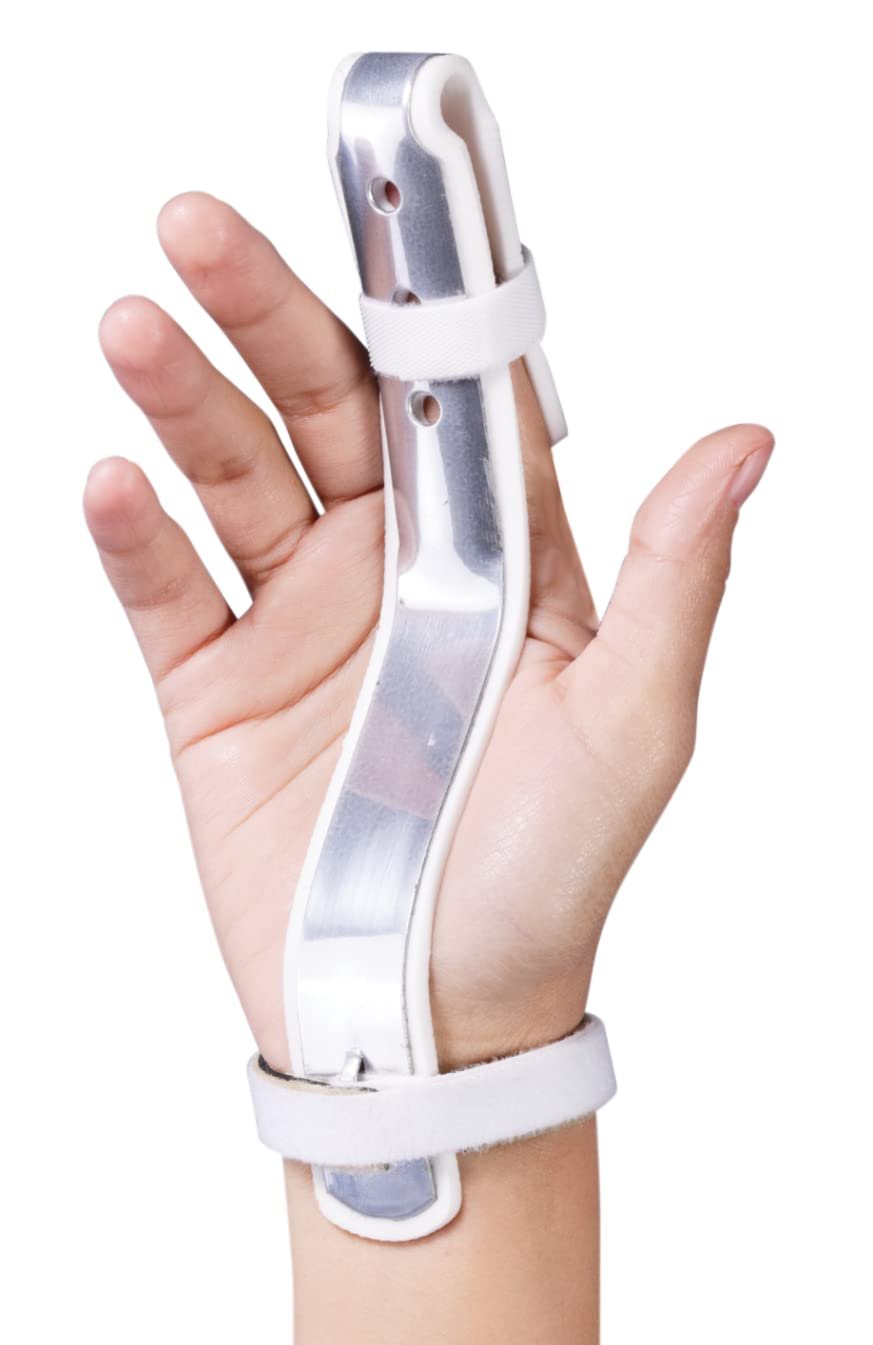
3. For central slip disruption and volar dislocation, 4 to 6 weeks of PEP extension, splinting followed by a 2 – week daytime dynamic splinting and a static night splinting. Throughout the period of splinting, DIP joint shoulder be actively exercised.
4. Extension blocks splinting for 3 to 4 weeks for hyperextension injuries (dorsal dislocation).
B. Operative treatment : Open reduction is indicated for open injuries, irreducible dislocations and injury to the collateral ligament of the index finger.