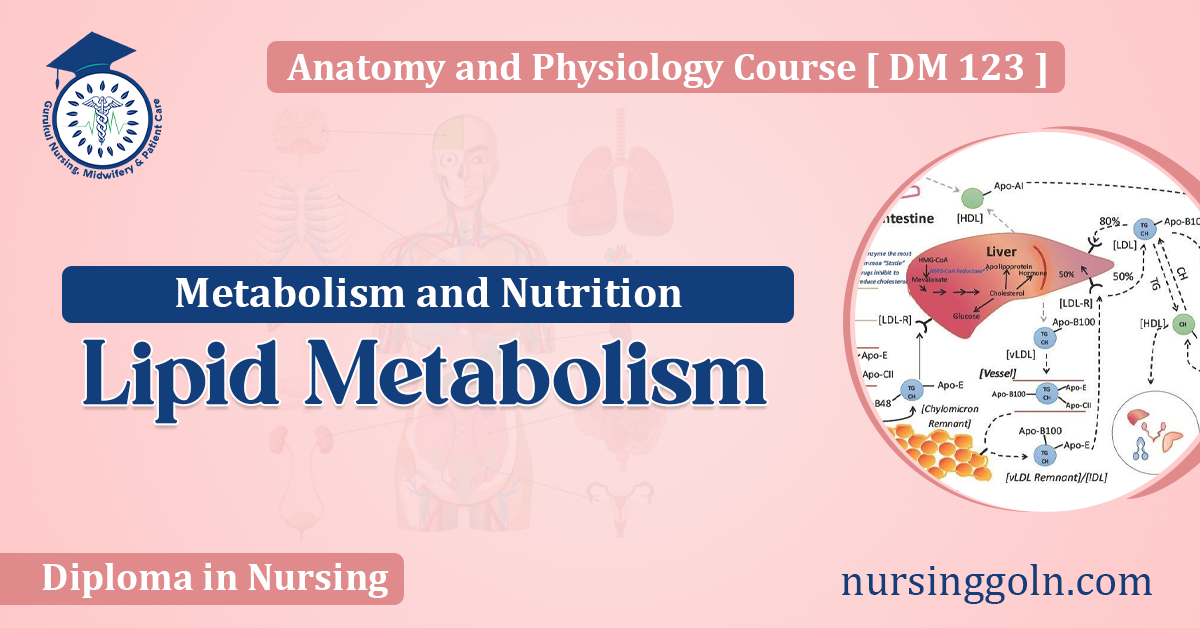
Today our topic of discussion is ” Lipid Metabolism “. Lipid metabolism is a complex and vital aspect of human physiology, encompassing the processes by which fats, also known as lipids, are digested, transported, and utilized for energy, as well as their role in maintaining overall health.
Understanding lipid metabolism is crucial as it plays a significant role in energy balance, cellular structure, and the storage of excess energy in the form of adipose tissue. In this comprehensive article, we will delve into the intricate world of lipid metabolism, from the digestion of dietary fats to the breakdown of stored fat for energy, and its implications for metabolic health.
Lipid Metabolism: Metabolism and Nutrition
1. Introduction to Lipids
Lipids are a diverse group of organic molecules that are hydrophobic, meaning they do not readily dissolve in water. They serve several essential functions in the body, including:
- Energy Storage: Lipids, in the form of triglycerides, are a concentrated source of energy. They can be stored in adipose tissue for later use.
- Cellular Structure: Lipids are key components of cell membranes, contributing to their fluidity and integrity.
- Insulation: Adipose tissue serves as insulation, helping to regulate body temperature.
- Protection: Lipids protect vital organs by surrounding and cushioning them.
- Absorption of Fat-Soluble Vitamins: Lipids are necessary for the absorption of fat-soluble vitamins (A, D, E, and K) from the digestive tract.
2. Dietary Lipids: Types and Sources
Dietary lipids come in various forms, with the three primary types being triglycerides, phospholipids, and sterols:
a. Triglycerides
Triglycerides are the most common form of dietary fat and are found in foods such as oils, butter, nuts, and animal fats. They consist of three fatty acid molecules attached to a glycerol backbone.
b. Phospholipids
Phospholipids are found in cell membranes and play a role in facilitating the transport of fats in the bloodstream. They have a hydrophilic (water-attracting) head and hydrophobic (water-repelling) tails.
c. Sterols
Sterols include cholesterol, which is essential for various bodily functions, including cell membrane structure and the synthesis of hormones. However, excessive cholesterol intake can have negative health implications.
3. Lipid Digestion: Breaking Down Dietary Fats
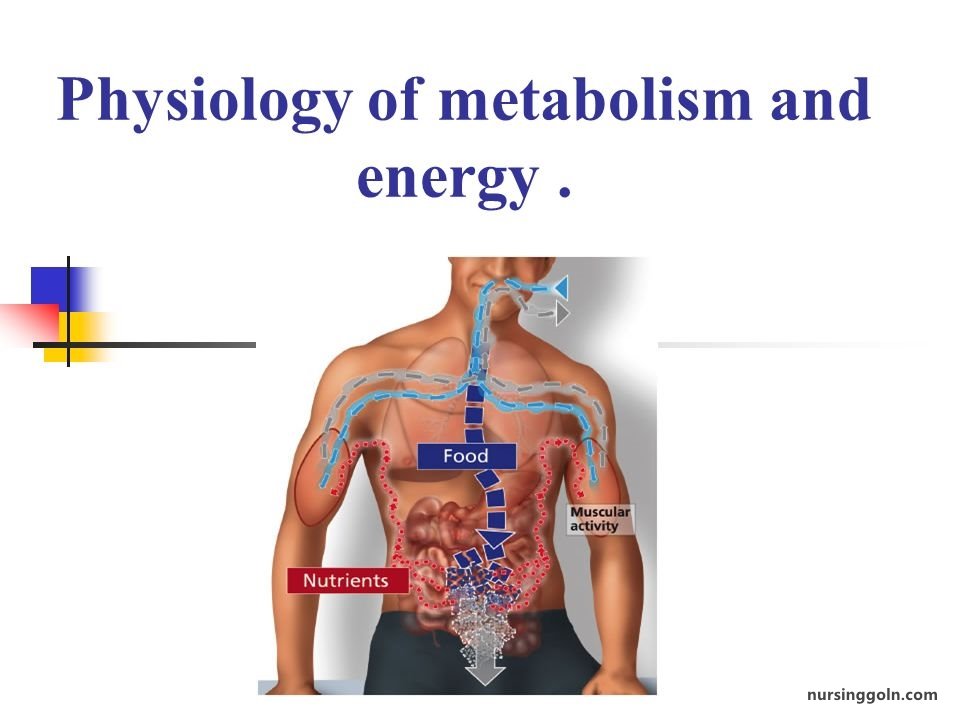
The process of lipid digestion begins in the digestive tract and is facilitated by various enzymes:
a. Lipid Digestion in the Mouth
Lipid digestion starts in the mouth through mechanical processes (chewing) and the action of lingual lipase, an enzyme that begins to break down triglycerides into smaller molecules.
b. Lipid Digestion in the Stomach
In the stomach, gastric lipase continues to digest dietary fats, although the acidic environment largely inhibits this process.
c. Lipid Digestion in the Small Intestine
The majority of lipid digestion occurs in the small intestine. Here, the pancreas secretes pancreatic lipase, which is the primary enzyme responsible for breaking down triglycerides into fatty acids and monoglycerides. Bile, produced by the liver and stored in the gallbladder, emulsifies lipids, breaking them into smaller droplets and increasing the surface area for enzymatic action.
d. Formation of Micelles
The products of lipid digestion, such as fatty acids and monoglycerides, combine with bile salts to form structures called micelles. Micelles allow for the efficient absorption of lipids through the lining of the small intestine.
e. Absorption into the Enterocytes
Fatty acids and monoglycerides are absorbed into the enterocytes, the cells lining the small intestine. Within these cells, they are reassembled into triglycerides, which combine with cholesterol and proteins to form chylomicrons.
4. Lipid Transport: The Journey through the Bloodstream
Chylomicrons are large lipoprotein particles that transport dietary lipids, primarily triglycerides, from the small intestine to various tissues throughout the body. Chylomicrons enter the lymphatic system, eventually releasing their cargo into the bloodstream.
Once in the bloodstream, lipids are transported to different tissues and organs to meet various needs. High-density lipoproteins (HDLs) and low-density lipoproteins (LDLs) are key carriers in this process. HDLs are often referred to as “good cholesterol” because they help remove excess cholesterol from tissues, while LDLs, often referred to as “bad cholesterol,” can contribute to the buildup of cholesterol in arterial walls.
5. Lipid Metabolism: Utilizing and Storing Energy
The utilization of lipids for energy and their storage in the body’s tissues are governed by several processes:
a. Lipolysis
Lipolysis is the breakdown of stored triglycerides in adipose tissue to release fatty acids and glycerol. Hormone-sensitive lipase is a key enzyme involved in this process, and its activity is regulated by hormones such as epinephrine and norepinephrine.
b. Beta-Oxidation
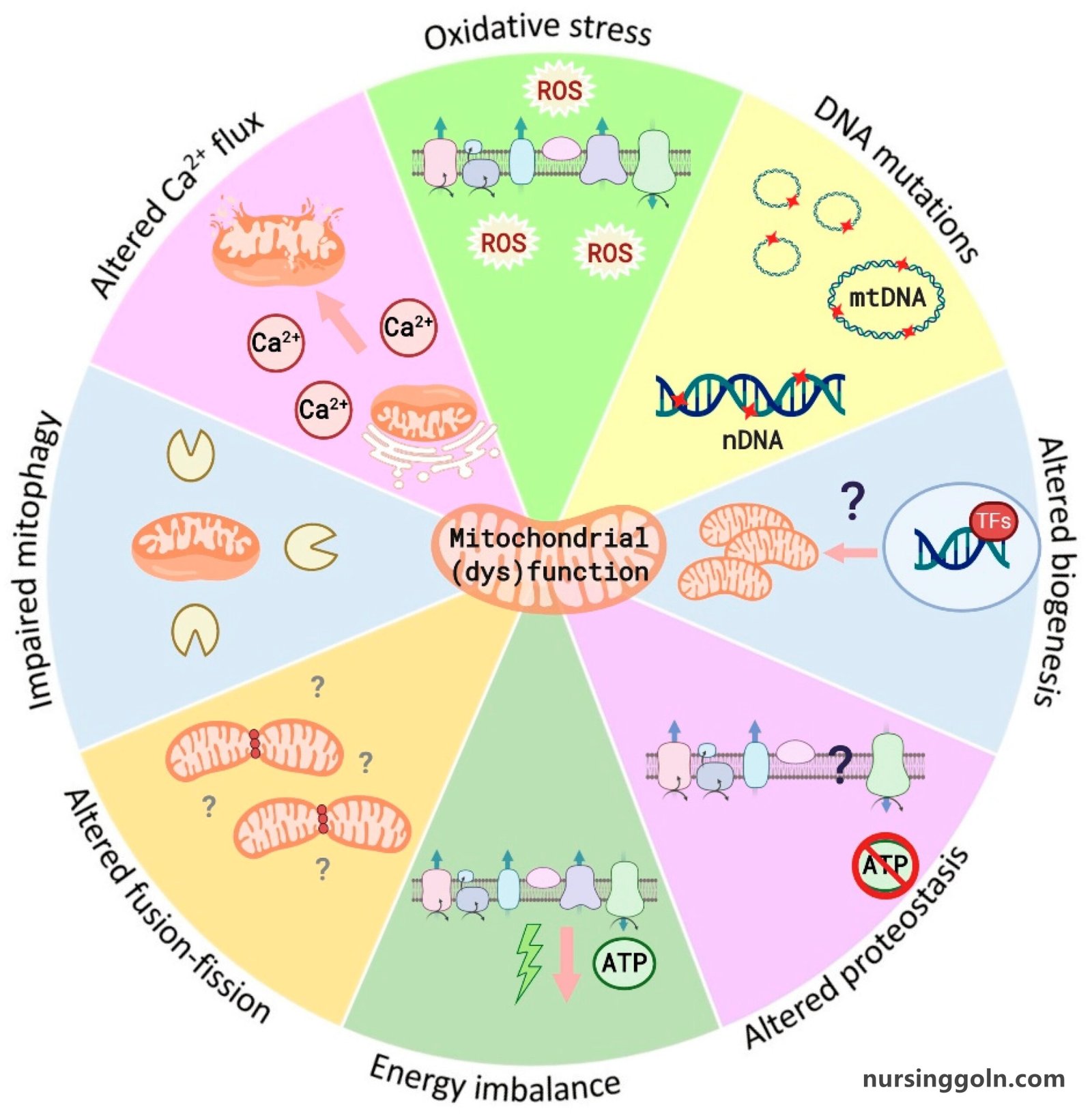
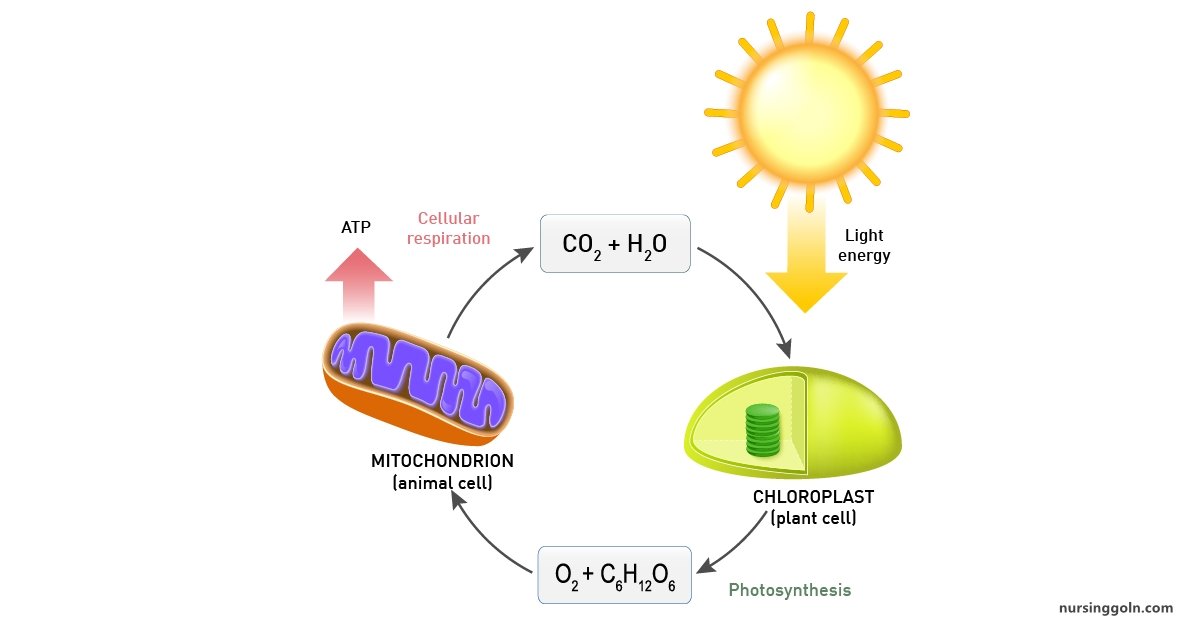
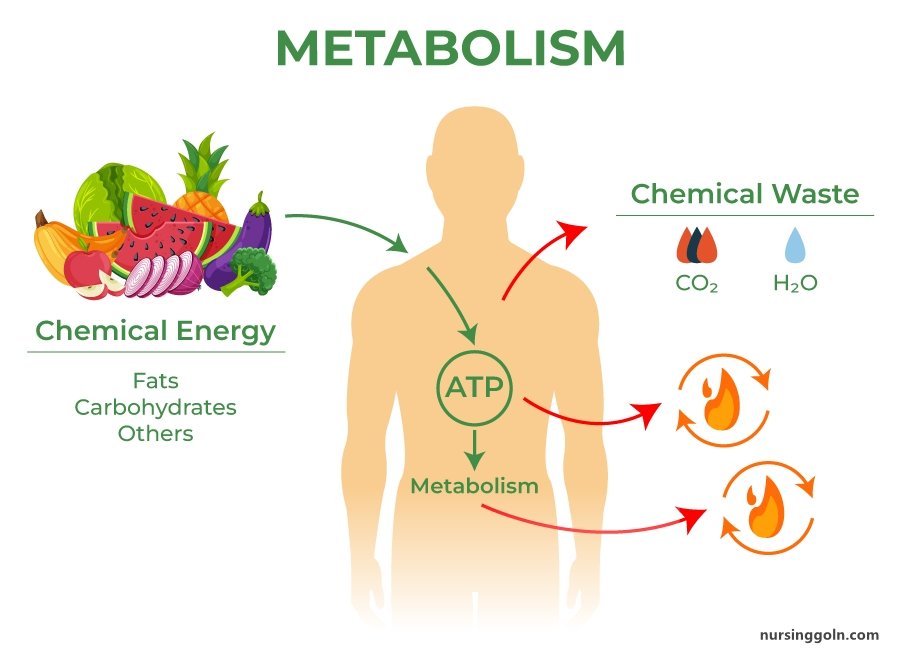
Fatty acids released during lipolysis are transported into the mitochondria of cells, where they undergo beta-oxidation. This process involves the repeated cleavage of fatty acid chains, producing acetyl-CoA, which enters the citric acid cycle and eventually generates ATP through the electron transport chain.
c. Ketogenesis
When the body is in a state of low glucose availability, such as during fasting or low-carbohydrate diets, it may produce ketone bodies as an alternative fuel source. Ketones, such as acetoacetate and beta-hydroxybutyrate, can be used by various tissues, including the brain.
d. Lipogenesis
Lipogenesis is the synthesis of new triglycerides from excess carbohydrates and dietary fats. This process occurs primarily in the liver and adipose tissue. Excessive calorie intake, especially from carbohydrates, can lead to the conversion of excess energy into stored fat.
6. Regulation of Lipid Metabolism
Several hormones and regulatory mechanisms govern lipid metabolism:
a. Insulin
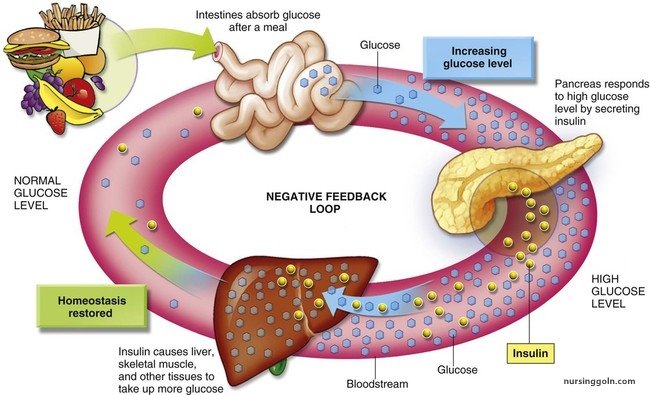
Insulin is a hormone that promotes lipid storage in adipose tissue and inhibits lipolysis. It is released in response to elevated blood glucose levels, such as after a meal.
b. Glucagon
Glucagon is released in response to low blood glucose levels and stimulates lipolysis, releasing fatty acids from adipose tissue.
c. Leptin
Leptin is a hormone produced by adipose tissue and plays a role in regulating appetite and energy balance. It provides feedback to the brain about the body’s energy stores.
d. Adiponectin
Adiponectin is a hormone secreted by adipose tissue that enhances insulin sensitivity and promotes fatty acid oxidation.
7. Lipid Metabolism and Health Implications
Lipid metabolism has significant implications for overall health and is closely linked to various health conditions, including:
a. Obesity
Excessive calorie consumption, especially from unhealthy fats and carbohydrates, can lead to weight gain and obesity. Obesity is a risk factor for several health conditions, including heart disease, type 2 diabetes, and certain cancers.
b. Cardiovascular Health
Elevated levels of LDL cholesterol and triglycerides in the blood are associated with an increased risk of atherosclerosis and cardiovascular disease. Conversely, high levels of HDL cholesterol are protective.
c. Metabolic Syndrome
Metabolic syndrome is a cluster of conditions that increase the risk of heart disease, stroke, and type 2 diabetes. It includes high blood pressure, high blood sugar, excess body fat, and abnormal cholesterol levels.
d. Fatty Liver Disease
Excessive fat accumulation in the liver, known as non-alcoholic fatty liver disease (NAFLD), is associated with obesity and metabolic syndrome. It can progress to more severe liver conditions, such as non-alcoholic steatohepatitis (NASH) and cirrhosis.
8. Maintaining a Healthy Lipid Profile
Maintaining a healthy lipid profile is essential for overall health. To support healthy lipid metabolism, individuals can consider the following:
a. Balanced Diet
Consume a diet rich in unsaturated fats, such as those found in olive oil, avocados, and fatty fish, while limiting saturated and trans fats.
b. Physical Activity
Regular physical activity can help lower LDL cholesterol and triglycerides while increasing HDL cholesterol.
c. Weight Management
Achieving and maintaining a healthy body weight through a balanced diet and exercise is crucial for metabolic health.
d. Medications
In some cases, medications may be prescribed to help manage lipid levels. These include statins, fibrates, and bile acid sequestrants.
e. Regular Monitoring
Regular health check-ups and lipid profile testing can help individuals assess their lipid levels and make necessary lifestyle adjustments.
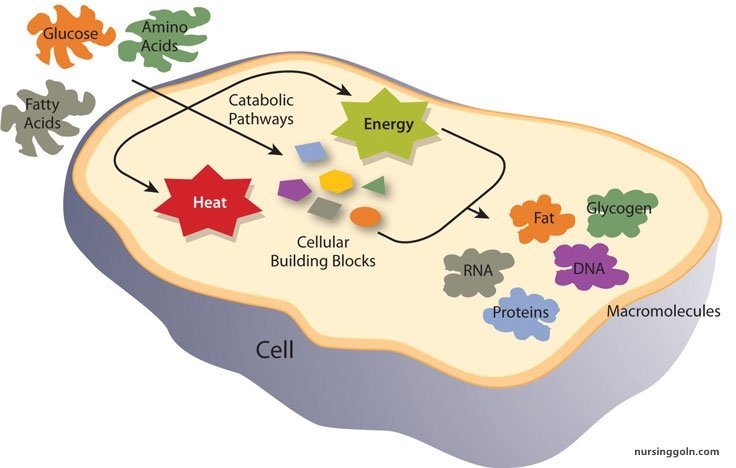
Lipid metabolism is a complex and dynamic process that plays a pivotal role in human biology. It encompasses the digestion and utilization of dietary fats, the storage of excess energy, and the regulation of lipid levels in the bloodstream. Maintaining a healthy lipid profile is essential for overall health, as imbalances can lead to a range of health conditions, including obesity, cardiovascular disease, and fatty liver disease. Understanding the intricacies of lipid metabolism and adopting a balanced and active lifestyle can contribute to better health and well-being, ensuring that lipids serve their essential roles without causing harm.