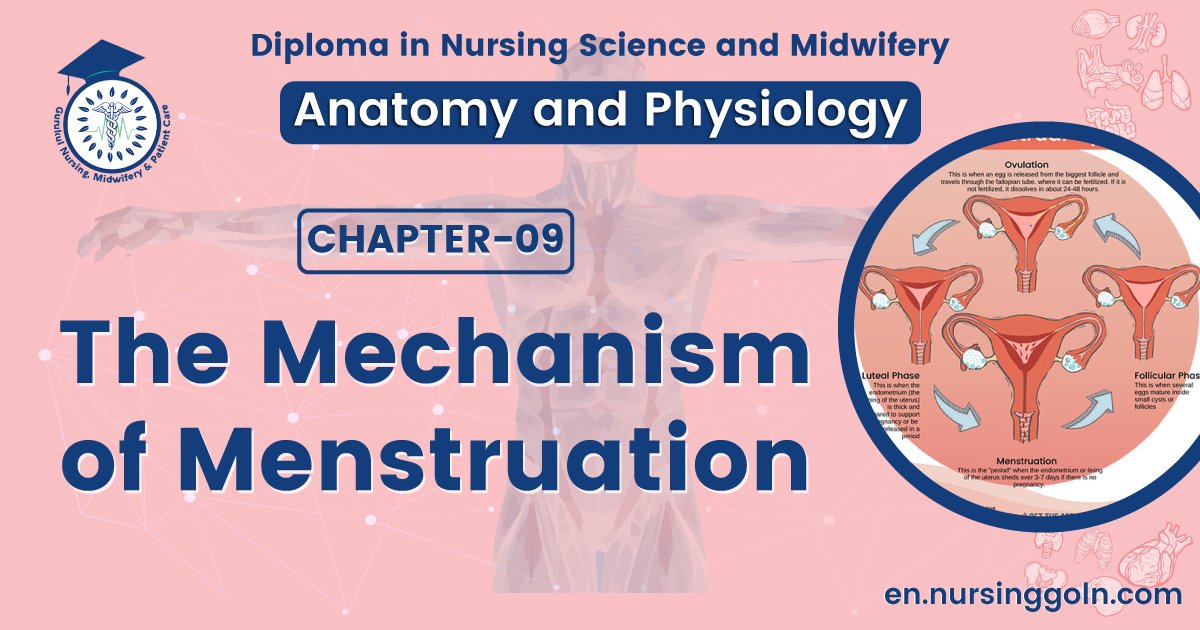
The mechanism of menstruation – The course is designed for the basic understanding of anatomical structures and physiological functions of human body, musculoskeletal system, digestive system, respiratory system; cardiovascular system; urinary system, endocrine system, reproductive system, nervous system, hematologic system, sensory organs, integumentary system, and immune system.The aim of the course is to acquire knowledge and skills regarding anatomy and physiology.
The mechanism of menstruation
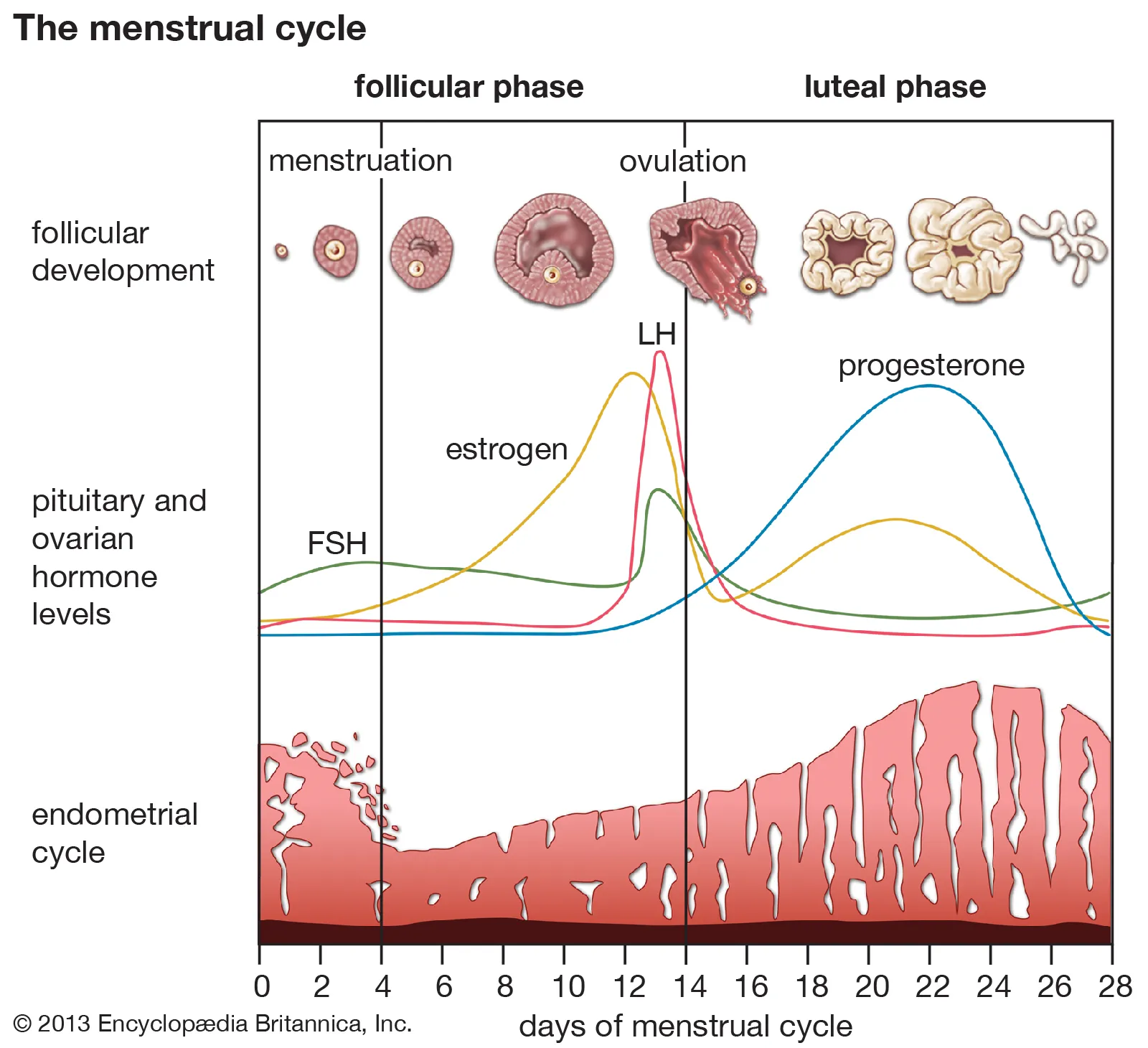
Unfertilized mature ovum and no implantation
↧
Degeneration of corpus luteum
↧
Withdrawn of hormonal influence (progesterone & oestrogen) on the progestational endometrium
↧
Shrinkage of endometrium
↧
Shortening of vessels by increasing & tightening their coils
↧
Arteriolar vasoconstriction and some of the coiled arterioles become kinked.
↧
Stasis of blood flow.
↧
Ischaemic necrosis of the area of endometrium.
↧
Bleeding from the necrosed area of endometrium
↧
All layers of the endometrium except stratum basale is sloughed out.
Fertilization and implantation
Fertilization :-
Fertilization refers to the fusion of the male reproductive cell, the spermatozoon, with the female reproductive cell, ovum or egg cell which normally takes place in the ampulla of uterine tube following sexual intercourse.
Implantation:-
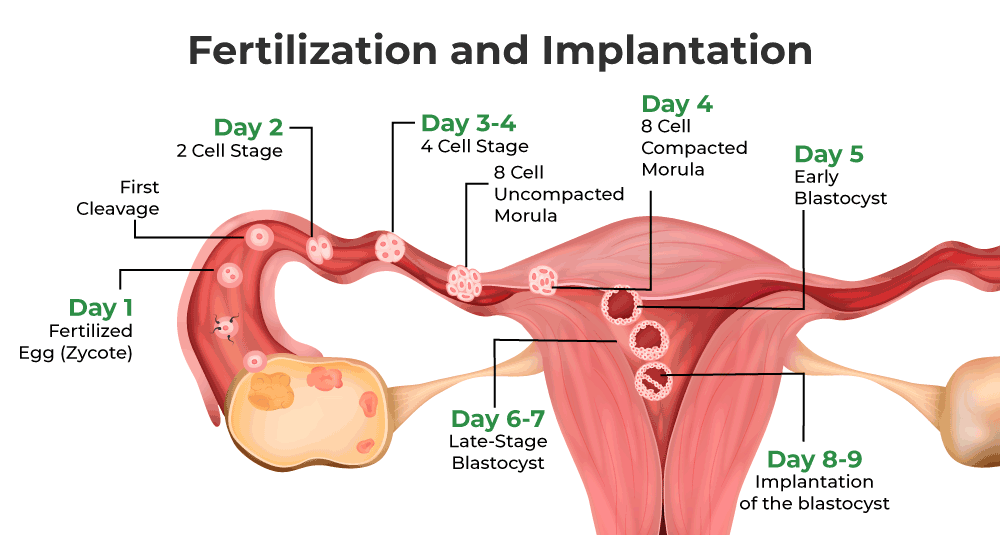
Implantation is the attachment of the fertilized egg when the fertilized egg (now called a blastocyst) has completed its travel through the fallopian tube and adheres to the lining of the uterus. Implantation happens about a week after ovulation with a range of 6-12 days after fertilization.
Process of fertilization and implantation
Approximately 300 million sperm introduced into the vagina, fewer than 2 million reach the cervix of the uterus and only about 200 reach the secondary oocyte.
Fertilization normally occurs in the uterine (fallopian) tube within 12 to 24 hours after ovulation. Sperm can remain viable for about 48 hours after deposition in the vagina, although a secondary oocyte is viable for only about 24 hours after ovulation.
The egg/sperm combination is now called a “zygote” and begins traveling down the Fallopian tube towards the uterus. During that time the fertilized egg multiplies into first 2, then 4 and then 8 and more cells.
The fertilized eggs which by then is know as the “blastocyst” enters the uterine cavity about 5-6 days after fertilization and adheres to the lining of the uterus within 1-2 days (7 days average after ovulation /fertilization) after reaching the uterus. This is the process of implantation, or nidation. (by the seventh to tenth day the blastocyst is completely buried in the endometrium).
(Ref: Mc Carthy A. & Hunter B. Master Medicine: Obstetrics & Gynaecology. 2nd ed. Edinburgh. Churchill Livingstone. 2003 + DC Dutta’s Textbook of Obstetrics, 7th edition,)