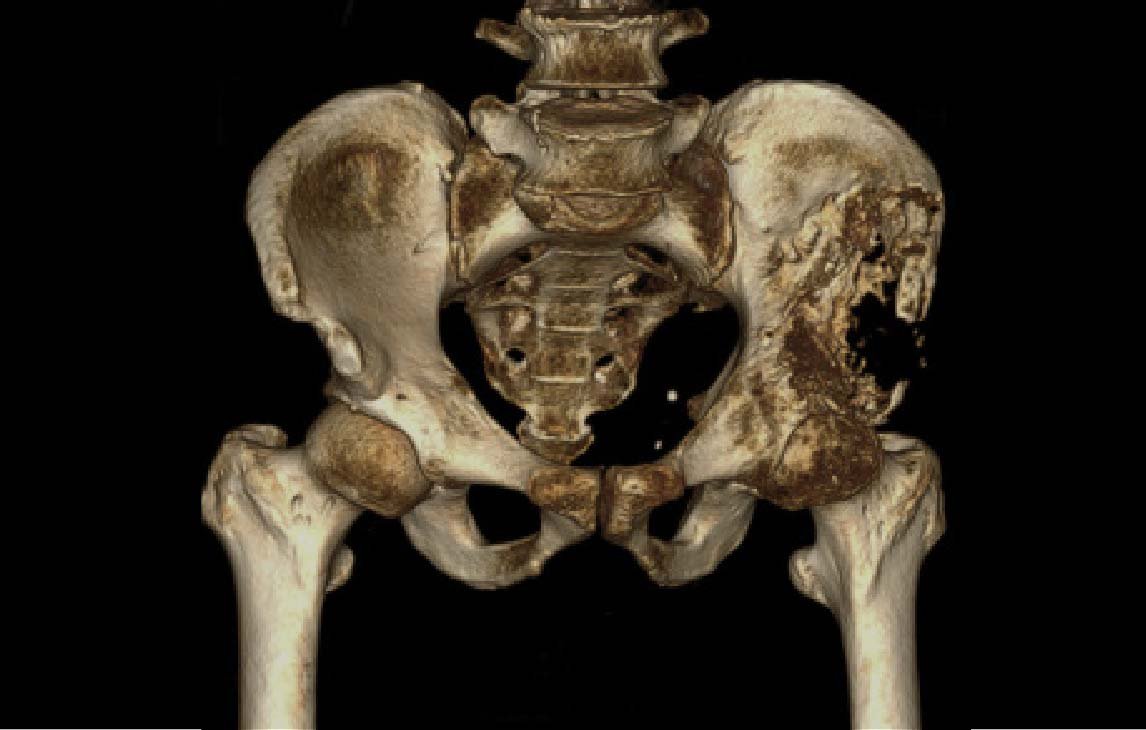
Metastatic Bone Disease – An orthopedic nurse is a nurse who specializes in treating patients with bone, limb, or musculoskeletal disorders. Nonetheless, because orthopedics and trauma typically follow one another, head injuries and infected wounds are frequently treated by orthopedic nurses.
Ensuring that patients receive the proper pre-and post-operative care following surgery is the responsibility of an orthopedic nurse. They play a critical role in the effort to return patients to baseline before admission. Early detection of complications following surgery, including sepsis, compartment syndrome, and site infections, falls under the purview of orthopedic nurses.
Metastatic Bone Disease
Definition metastatic bone disease:
Metastatic bone diseases or tumors are cancerous tumor originating in other organ and involving the skeletal structures of the body. Bones may be involved by:
- Direct invasion.
- Blood borne metastasis (most common route).
- Very rarely through the lymphatic.
[Ref-John Ebnezar’s, “Textbook of Orthopedics”, 4 edion, Page-637]
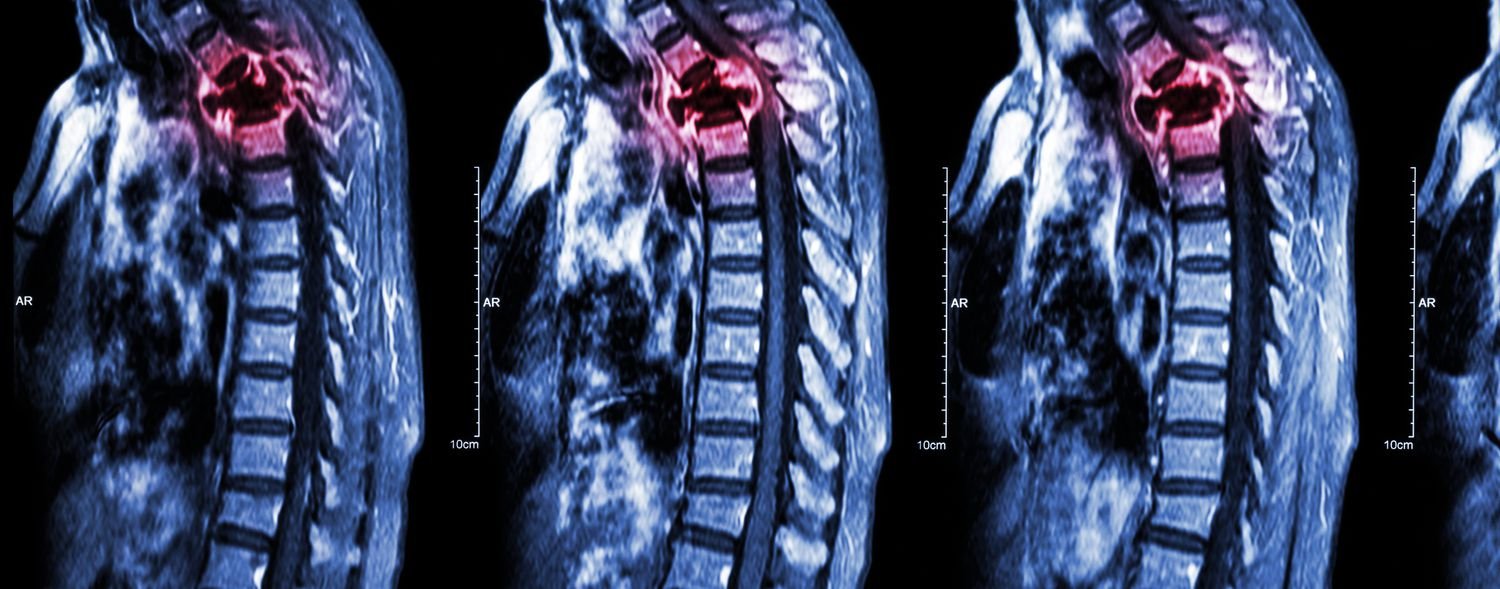
Clinical features of metastatic bone disease:
1) Age: The patient is usually aged 50- 70 years.
2) Destructive bone lesion.
3) Pain is the commonest,
4) Backache or thigh pain in an elderly person.
5) History of carcinoma has been treated.
6) Pathological fracture.
7) Hypercalcaemia.
8) Sudden collapse of a vertebral body or fracture of the mid thigh.
9) Anorexia
10) Nausea
11) Thirst.
10) Nausea.
12) Polyuria.
13) Abdominal pain.
14) General weakness.
15) Depression.
Diagnose metastatic bone disease:
1. X-ray: Sometime it appears bone destruction with or without pathological fracture.
2. Bone scan.
3. Blood tests: ESR may be increased and hemoglobin concentration is usually low. The serum alkaline phosphatase concentration is often increased and in prostatic carcinoma the acid phosphatase also is elevated.
4. Biopsy.
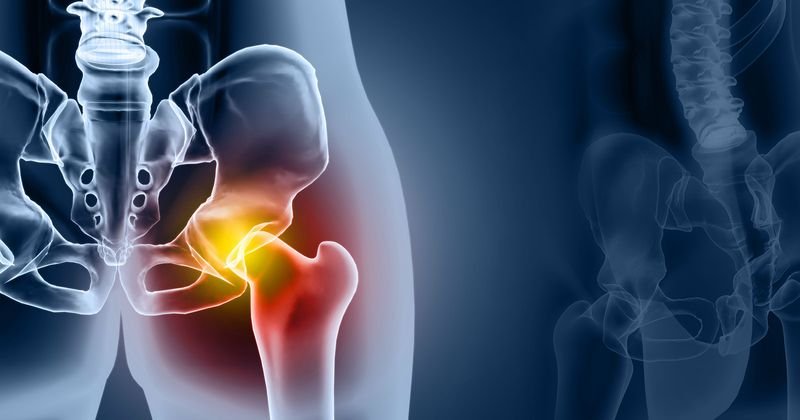
Treatment of metastatic bone disease:
1) Radiotherapy is by Co 3000-4000 rads for 3-4 weeks
2) Surgery: If pathological fracture develop manage by internal fixation.
3) Hormone therapy: For prostatic cancer,breast cancer
4) Amputation
5) Prophylatic nailing
[Ref-John Ebnezar’s, “Textbook of Orthopedics”, 4″ edion, Page-637]