The wonders of human movement, whether it’s the simple act of lifting a cup or the rhythmic motions of an athlete running, are fundamentally grounded in the intricate operations of our muscle tissues. The muscles are not just simple flesh but are intricate systems that involve a delicate interplay between cells, chemicals, and nerve impulses. Let’s dive deep into the world of muscle tissue and explore how it orchestrates the dance of human motion.
I. Introduction to Muscle Tissue
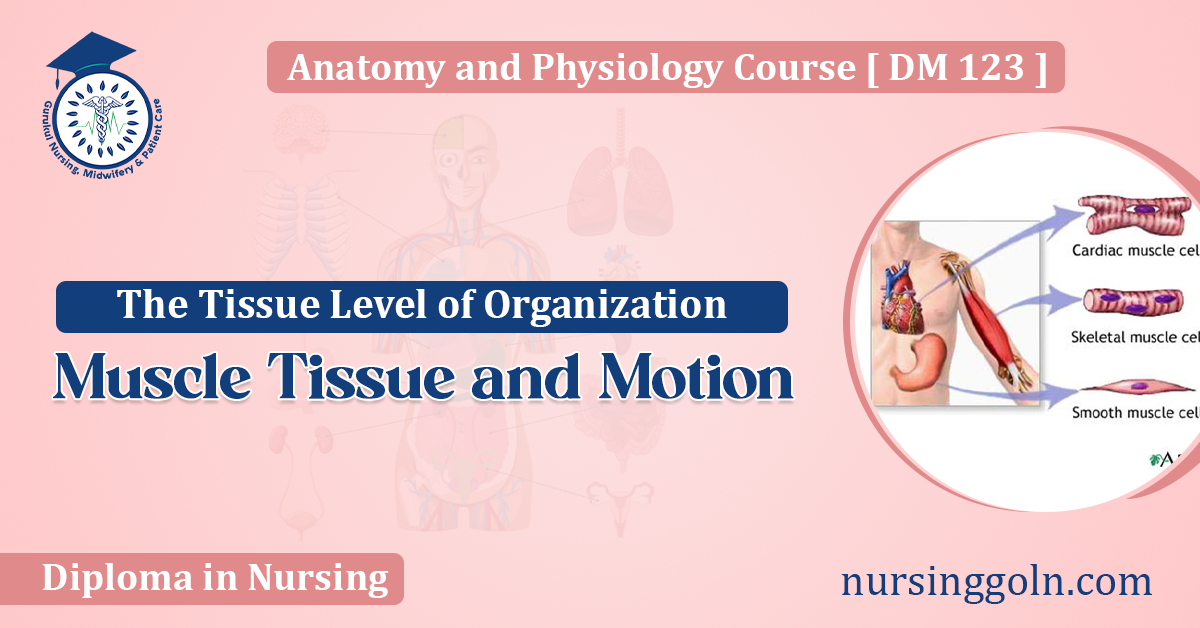
Muscle tissue is one of the four primary tissue types in the human body, alongside nervous, epithelial, and connective tissues. It plays a pivotal role in generating movement, maintaining posture, and producing heat. There are three distinct types of muscle tissues: skeletal, smooth, and cardiac.
- Skeletal Muscle: This is the most well-known type, responsible for all voluntary movements. These muscles are attached to bones via tendons and appear striated under a microscope.
- Smooth Muscle: Found in the walls of internal organs like the stomach, intestines, and blood vessels. These muscles function involuntarily and lack the striated appearance.
- Cardiac Muscle: Exclusively found in the heart, cardiac muscles combine features of both skeletal and smooth muscles. They are involuntary and display a striated appearance.
II. The Cellular Level of Muscle Tissue
To appreciate muscle function, understanding the cellular components is imperative. Muscle cells are elongated, often referred to as muscle fibers. Let’s delve into the core structure:
- Myofibrils: These are long protein bundles that occupy most of the muscle cell’s cytoplasm, called sarcoplasm. They consist of repetitive units called sarcomeres, the functional units of muscle contraction.
- Sarcopleres: Defined by Z-lines, sarcomeres contain thin (actin) and thick (myosin) filaments. The interaction between these filaments during contraction leads to muscle shortening.
- Sarcoplasmic Reticulum (SR): Surrounding each myofibril, the SR stores and releases calcium ions – crucial agents in muscle contraction.
- T-tubules: These are extensions of the cell membrane that penetrate into the cell. They help transmit the action potential (nerve impulse) deep into the muscle cell, ensuring a coordinated contraction.
III. The Biochemical Process of Muscle Contraction
Muscle contraction is a marvel of cellular biochemistry. It’s a multi-step process primarily fueled by adenosine triphosphate (ATP):
- Neurotransmitter Release: It all begins at the neuromuscular junction. Motor neurons release acetylcholine, a neurotransmitter, which triggers an action potential in the muscle cell.
- Action Potential Travels: The impulse rapidly travels along the cell membrane and down the T-tubules.
- Calcium Release: This action potential prompts the SR to release stored calcium ions.
- Cross-Bridge Formation: Calcium ions bind to troponin (a regulatory protein on actin), causing a conformational change. This reveals binding sites on actin for myosin heads, leading to the formation of cross-bridges.
- Power Stroke: With ATP’s hydrolysis providing energy, the myosin heads pivot and pull the actin filaments towards the sarcomere’s center. This is the actual muscle contraction.
- Relaxation: When the action potential ceases, calcium ions are actively pumped back into the SR. Myosin and actin return to their resting positions, and the muscle relaxes.
IV. Types of Muscle Contractions
Muscles don’t just contract in a uniform way. Depending on the task and the forces involved, they can exhibit different types of contractions:
- Isotonic Contractions: Muscle changes in length and moves a load. There are two types:
- Concentric: Muscle shortens and does work (e.g., lifting a weight).
- Eccentric: Muscle lengthens as it contracts (e.g., lowering a weight).
- Isometric Contractions: The muscle does not change in length and no movement is observed, but tension increases. It’s like pushing against a wall.
V. The Role of Muscle Tissue in Posture and Heat Production
Beyond generating movement, muscles have other vital roles:
- Posture: Muscles work against gravity to maintain our posture. It’s an isometric contraction where muscles are slightly contracted but not enough to produce movement. This continuous work is why maintaining an erect posture for extended periods can be tiring.
- Heat Production: Muscle contractions release heat, essential for maintaining body temperature. This phenomenon is especially evident when we shiver in cold environments – rapid, involuntary muscle contractions generate warmth.
VI. The Future of Muscle Tissue Research
While our understanding of muscle tissues is comprehensive, there’s still much to explore, especially with advancements in molecular biology and imaging techniques. Current research focuses on muscle regeneration, muscular dystrophy treatments, and the effects of space travel on muscle tissue. The future holds promise for therapies targeting muscle-related disorders and enhancing human performance.
Conclusion
From orchestrating precise movements to maintaining our body’s core temperature, muscle tissues are indispensable. The intricate dance of proteins and ions at the cellular level translates into the diverse range of motions we observe daily. As we continue to unravel the mysteries of muscle tissues, we appreciate the profound complexity and elegance of the human body’s design. Whether it’s the heart’s rhythmic beats, the subtle movements of our internal organs, or the powerful strides of an athlete, muscle tissue remains central to the story of human motion.