Nursing is a profession within the healthcare sector dedicated to the care of individuals, families, and communities, enabling them to attain, maintain, or recover optimal health and quality of life. Nurses are distinguished from other healthcare providers by their unique approach to patient care, their training, and their scope of practice. They work across numerous specialities, with varying levels of prescribing authority depending on jurisdiction.
Historically, many nurses have provided care under the direction of physicians, which has shaped the public perception of nurses primarily as care providers. However, in most jurisdictions, nurses are permitted to practise independently in a wide range of settings, commensurate with their level of training. Since the post-war period, nurse education has diversified significantly, leading to advanced and specialised qualifications, and many traditional regulatory boundaries and provider roles have evolved.
Nurses develop individualised care plans in collaboration with physicians, therapists, patients, their families, and other team members, focusing on treating illness while enhancing quality of life. They often coordinate care delivered by interdisciplinary teams, including therapists, medical practitioners, and dietitians. Nurses deliver care both interdependently (e.g., with physicians) and independently as autonomous nursing professionals.
Nurses’ Roles and Competencies Required in Promoting, Maintaining, and Restoring Health
The key roles and competencies of nurses in health promotion, maintenance, and restoration include:
- Caregiver
- Teacher/Educator
- Counsellor
- Diagnostic and Monitoring Role
- Administering and Monitoring Treatment Regimens
- Manager/Coordinator
- Researcher
- Quality Assurance and Improvement Monitor
- Change Agent
- Client Advocate

Detailed Description of Nurses’ Roles
- Caregiver
- As caregivers, nurses deliver direct, hands-on care to patients across diverse settings.
- This encompasses meeting physical needs, ranging from total dependence care to supporting illness prevention and health promotion.
- Nurses uphold patients’ dignity while providing skilled, evidence-based, and compassionate care.
- Real-world example: In a critical care unit, a nurse provides total care for a ventilated patient, managing hygiene, nutrition via feeding tubes, and turning to prevent pressure ulcers, while monitoring vital signs continuously.
- Teacher/Educator
- Nurses empower patients to develop self-care abilities through health education.
- They provide evidence-based knowledge to enable informed decision-making.
- They demonstrate essential skills and promote health, prevent illness, restore wellbeing, and facilitate effective coping with health challenges.
- Real-world example: A community health nurse educates a newly diagnosed diabetic patient on blood glucose monitoring, insulin administration, and dietary modifications, leading to better glycaemic control and reduced hospital readmissions.
- Counsellor
- Nurses assist and guide patients in problem-solving and decision-making.
- They establish therapeutic interpersonal relationships.
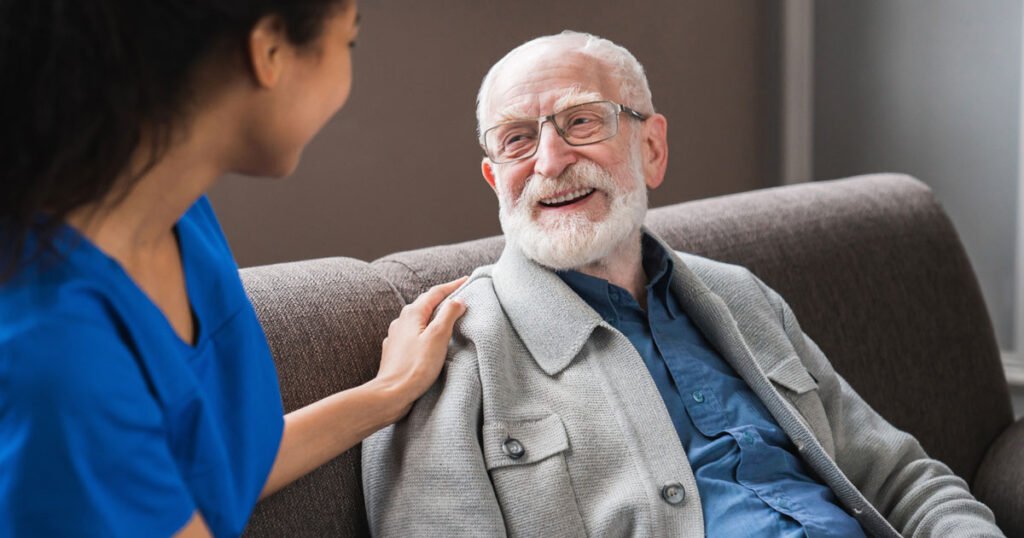
- They offer emotional, intellectual, and psychological support, fostering resilience and adaptation.
- Real-world example: In oncology, a nurse counsels a patient facing end-of-life decisions, providing emotional support during discussions about palliative care options and helping the family cope with grief.
- Diagnostic and Monitoring Role
- This critical function involves ongoing assessment to identify emerging nursing problems.
- It is particularly prominent in high-dependency settings (e.g., critical care) and vulnerable populations (e.g., older adults or those with cognitive impairment).
- Skilled nurses detect serious complications early through systematic assessment.
- By identifying problems, risk factors, and causes, nurses alleviate suffering, prevent complications, and reduce relapse risk.
- Real-world example: In an intensive care unit, a nurse notices subtle changes in a post-operative patient’s vital signs and mental status, promptly identifying sepsis and initiating early intervention, preventing organ failure.
- Administering and Monitoring Treatment Regimens
- Nurses collaborate closely with physicians to implement prescribed treatments.
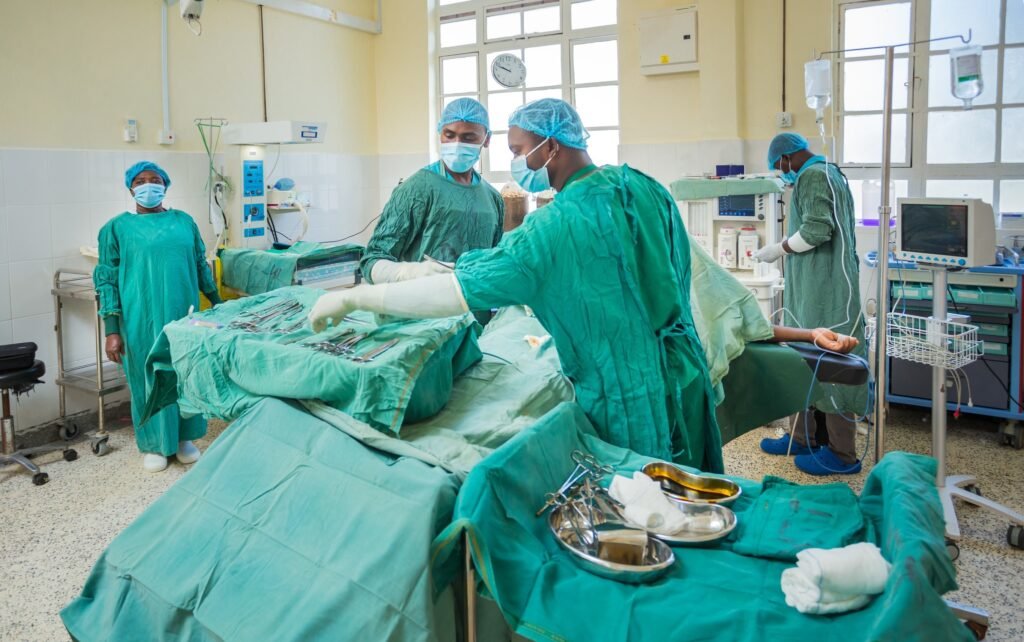
- They administer medications, intravenous fluids, blood transfusions, and perform diagnostic procedures such as venepuncture.
- Through vigilant monitoring, nurses ensure patients receive the full spectrum of prescribed interventions safely and effectively.
- Real-world example: A nurse in a chemotherapy unit administers cytotoxic drugs, monitors for adverse reactions like anaphylaxis, and manages side effects such as nausea, ensuring safe completion of the treatment cycle.
- Manager/Coordinator
- Nurses plan, organise, direct, control, and delegate care activities.
- They coordinate multidisciplinary input to deliver seamless, patient-centred care.
- Real-world example: A ward nurse manager coordinates a multidisciplinary team for a stroke patient, delegating physiotherapy, occupational therapy, and speech therapy while overseeing daily care to facilitate rehabilitation.
- Researcher
- Nurses contribute to evidence-based practice by collecting and analysing data.
- They conduct or participate in studies examining nursing practice, education, and administration.
- Research enhances professionalism and improves patient outcomes.
- Real-world example: Nurses at the NIH Clinical Center participate in clinical trials, collecting data on new treatments and contributing to protocols that advance care for rare diseases.
- Monitoring and Ensuring Care Quality
- Nurses evaluate and enhance the quality of care delivered to individuals and populations.
- They engage in quality assurance, audit, and continuous improvement initiatives to optimise service delivery.
- Real-world example: A quality improvement nurse leads an audit on hand hygiene compliance in a hospital, implementing training that reduces healthcare-associated infections by 30%.
- Change Agent
- Nurses initiate or support modifications in patient behaviour, care systems, or organisational practices to improve health outcomes.
- Real-world example: During the COVID-19 pandemic, nurses advocated for and implemented virtual triage systems, transforming emergency department workflows to reduce infection risk and improve patient flow.
- Client Advocate
- Nurses protect and champion patients’ rights and interests.
- They act as patient representatives, explaining information in accessible language, supporting autonomous decisions, and promoting self-determination through assertive communication.
- Real-world example: A nurse advocates for a non-English-speaking patient by arranging an interpreter and ensuring informed consent for surgery, preventing misunderstandings and upholding patient autonomy.
Additional Roles of a Nurse
- Coordinator
- Nurses integrate fragmented care components into a cohesive plan, ensuring continuity across services.
- Real-world example: In discharge planning, a nurse coordinates home care services, medication reconciliation, and follow-up appointments for an elderly patient post-hip replacement.
- Communicator
- Effective communication underpins therapeutic relationships.
- Nurses establish rapport, utilise verbal and non-verbal skills, and communicate assertively.
- Real-world example: A paediatric nurse uses play therapy and simple language to explain procedures to a frightened child, reducing anxiety and gaining cooperation.
- Leader
- Nurses inspire vision, motivate teams, and encourage excellence to achieve shared goals.
- Real-world example: A nurse unit manager leads a team through a staffing crisis by redistributing tasks and fostering morale, maintaining care standards.
- Motivator
- By adopting a positive attitude, active listening, encouragement, and reward, nurses support patients in behavioural change.
- Real-world example: A smoking cessation nurse motivates a cardiac patient to quit by tracking progress, celebrating milestones, and providing ongoing support.
- Critical Thinker
- Nurses analyse problems creatively (“thinking outside the box”), remaining open to innovative solutions.
- Real-world example: When standard pain management fails, a nurse critically evaluates alternatives and suggests multimodal therapy, improving patient comfort.
- Innovator
- Nurses proactively identify issues and implement practical solutions, driving positive change in care delivery.
- Real-world example: Nurses developed apps for remote wound monitoring during the pandemic, reducing hospital visits while maintaining care quality.
These multifaceted roles underscore the evolving scope of nursing practice, emphasising holistic, patient-centred care that extends beyond traditional boundaries. Contemporary nursing integrates advanced clinical skills, leadership, and research to meet the complex health needs of modern society.