Organs of digestive system-The course is designed for the basic understanding of anatomical structures and physiological functions of human body, musculoskeletal system, digestive system, respiratory system; cardiovascular system; urinary system, endocrine system, reproductive system, nervous system, hematologic system, sensory organs, integumentary system, and immune system.The aim of the course is to acquire knowledge and skills regarding anatomy and physiology.
Organs of digestive system
The food we eat contains a variety of nutrients, which are used for building new body tissues and repairing damaged tissues. However, most of the food we eat consists of molecules that are too large to be used by body cells.
Therefore, food must be broken down into molecules that are small enough to enter body cells a process known as digestion. Collectively, the organs that perform these functions are known as the digestive system.
Definition of digestive system:-
The digestive system is the collective name used to describe the alimentary canal, some accessory organs and a variety of digestive processes which take place at different levels in the canal to prepare food eaten in the diet for absorption.
(Ref: Ross and wilson-Anatomy and Physiology in Health and Illness, 9th edition, P-282)
There are two groups of organs compose the digestive system:
- The gastrointestinal tract or alimentary canal and
- The accessory digestive organs.
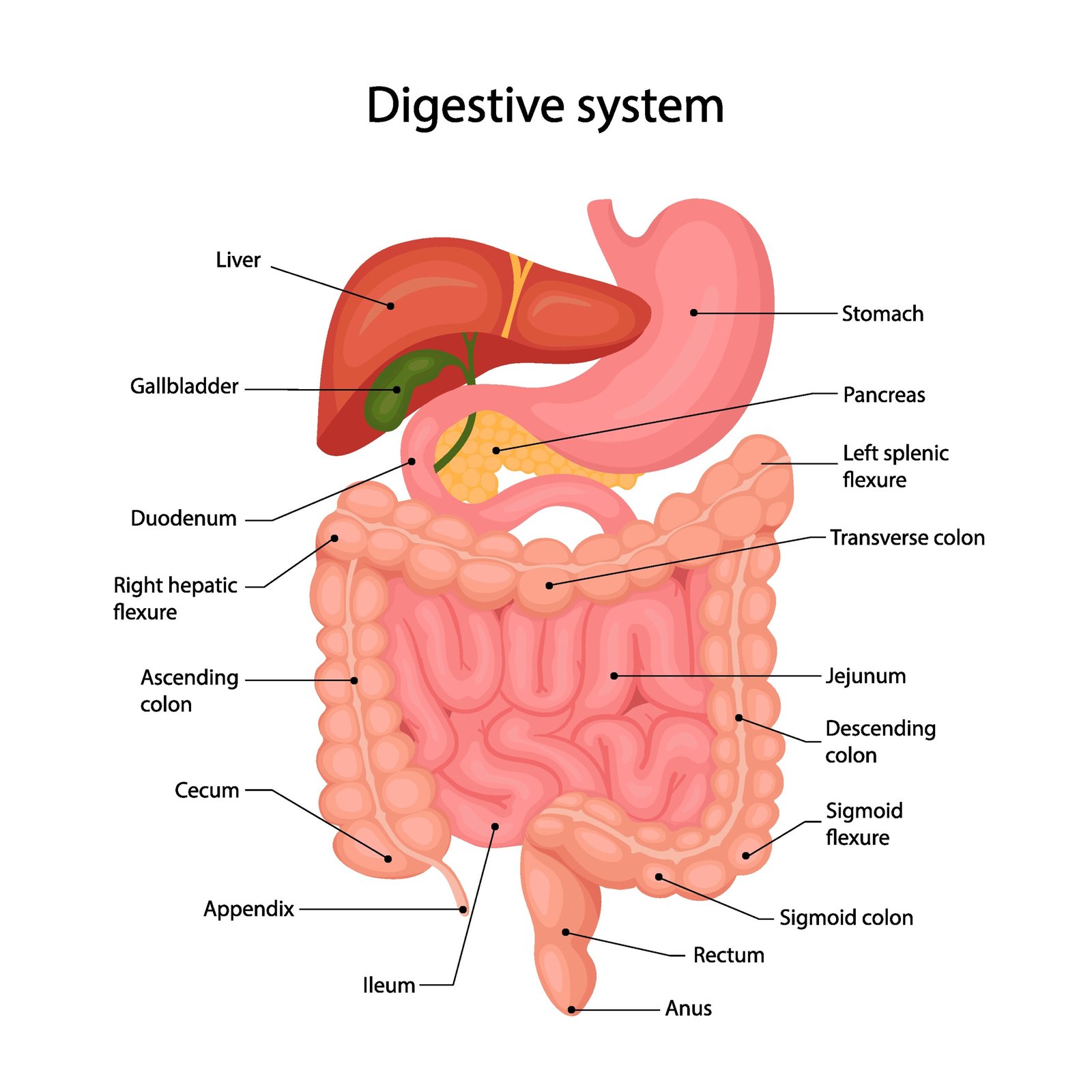
The gastrointestinal (GI) tract or alimentary canal is a continuous tube that extends from the mouth to the anus. The Gl tract contains food from the time it is eaten until it is digested and absorbed or eliminated from the body.
Organs of the gastrointestinal tract include the mouth, pharynx, esophagus, stomach, small intestine, and large intestine. The length of the Gl tract is about 5-7 meters (16.5-23 ft) in a living person. It is longer in a cadaver (about 7-9 meters or 23-29.5 ft) because the muscles along the wall of the GI tract organs are in a state of tonus (sustained contraction)
The teeth, tongue, salivary glands, liver, gallbladder, and pancreas serve as accessory digestive organs Teeth aid in the physical breakdown of food, and the tongue assists in chewing and swallowing.
The other accessory digestive organs never come into direct contact with food. The secretions that they produce or store flow into the Gl tract through ducts and aid in the chemical breakdown of food.

Processes or functions of digestive system
Overall, the digestive system performs six basic processes or functions.
- Ingestion. This process involves taking foods and liquids into the mouth (eating).
- Secretion, Each day, cells within the walls of the GI tract and accessory organs secrete a total of about 7 liters of water, acid, buffers, and enzymes into the lumen of the tract.
- Mixing and propulsion. Alternating contraction and relaxation of smooth muscle in the walls of the GI tract mix food and secretions and propel them toward the anus. The ability of the GI tract to mix and move material along its length is termed motility.
- Digestion. Mechanical and chemical processes break down ingested food into small molecules. In mechanical digestion the teeth cut and grind food before it is swallowed, and then smooth muscles of the stomach and small intestine churn the food. As a result, food molecules become dissolved and thoroughly mixed with digestive enzymes. In chemical digestion the large carbohydrate, lipid, protein, and nucleic acid molecules in food are broken down into smaller molecules by digestive enzymes.
- Absorption. The entrance of ingested and secreted fluids, ions, and the small molecules that are products of digestion into the epithelial cells lining the lumen of the GI tract is called absorption. The absorbed substances pass into interstitial fluid and then into blood or lymph and circulate to cells throughout the body
- Defecation. Wastes, indigestible substances, bacteria, cells shed from the lining of the GI tract, and digested materials that were not absorbed leave the body through the anus in a process called defecation. The eliminated material is termed feces (stool).
(Ref:- J. TORTORA, The essentials of anatomy and physiology, 8th edition, P-486,487)
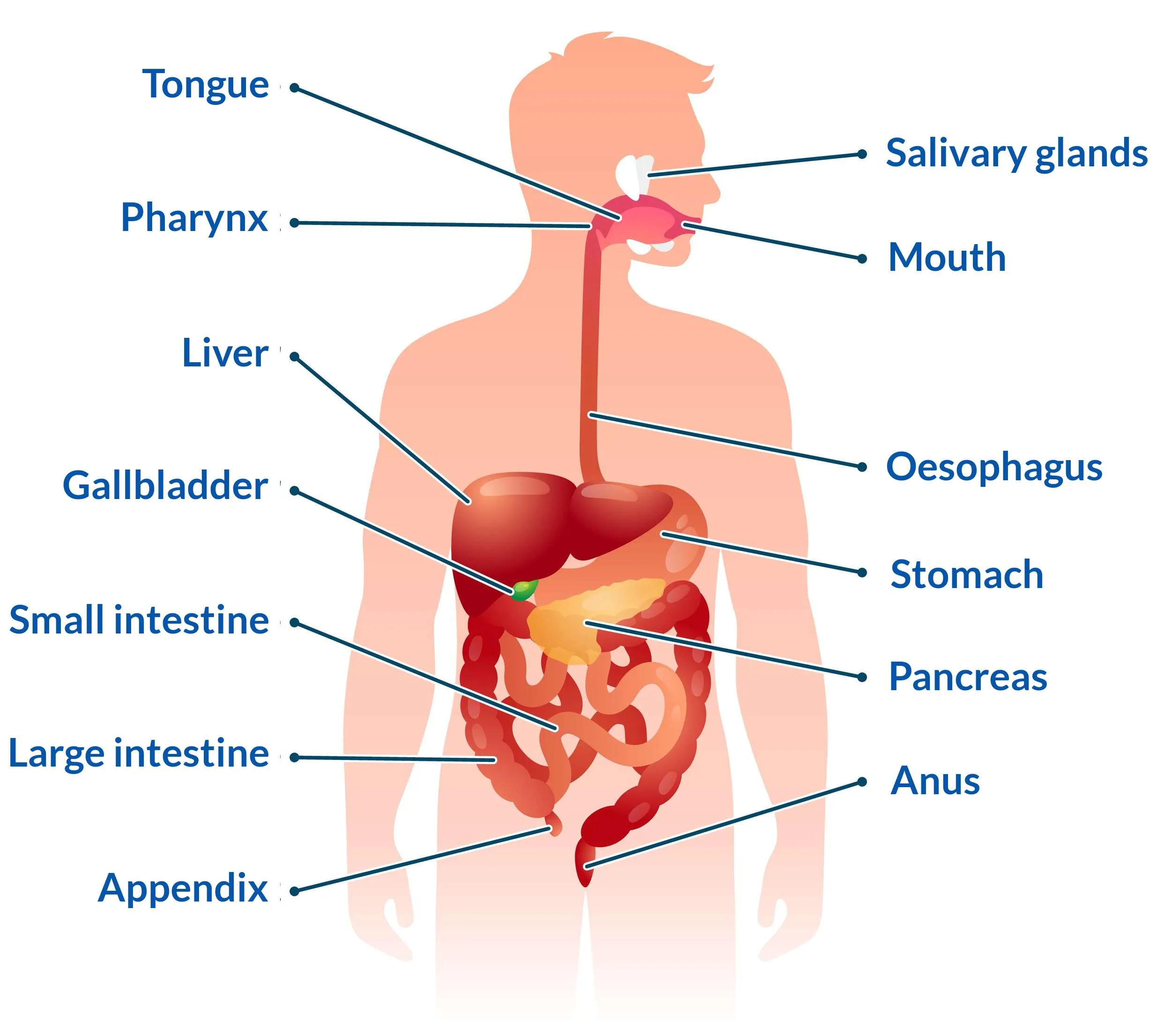
Digestive system has two major components:-
- The gastrointestinal (GI) tract/ the alimentary canal and
- Accessory digestive/GI organs
Parts & Organs of the gastrointestinal (GI) /the alimentary canal tract are…
- The mouth,
- Pharynx,
- Oesophagus,
- Stomach
- Small intestine and
- Large intestine
- Rectum and anal canal
Accessory digestive/Gl organs are….
- The teeth,
- Tongue
- Salivary glands (3 pairs)
- Liver
- Gallbladder and
- Pancreas
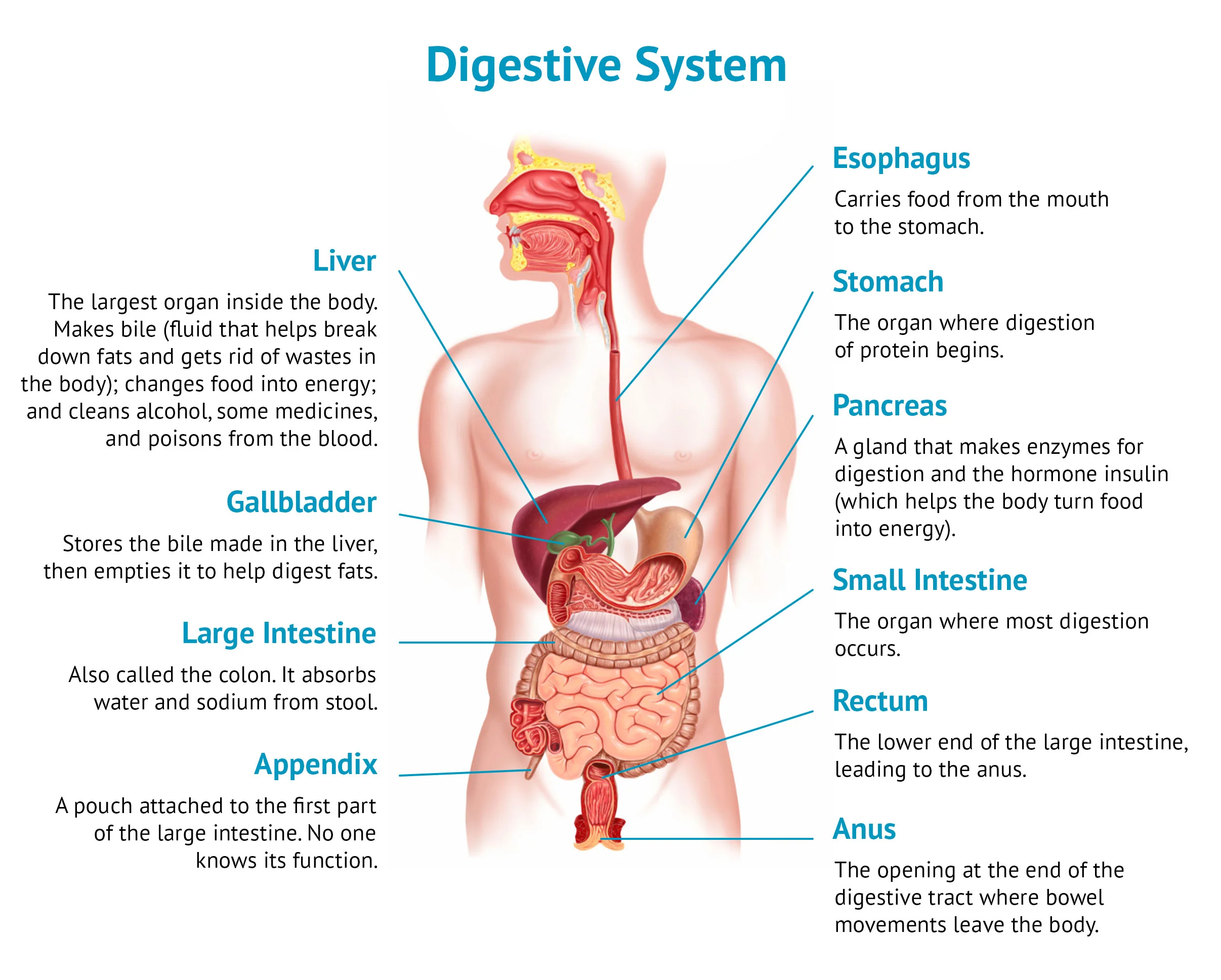
The digestive system views of the abdomen and pelvis.
The relationship of the parts of the peritoneum (greater omentum and mesentery) to each other and to organs of the digestive system is shown. The peritoneum is the largest serous membrane in the body.
In 1906, the greater omentum was described as the “abdominal policeman” by the surgeon James Rutherford Morrison. This is due to its immunological function, whereby omental tissue seems to “surveil” the abdomen for infection and cover areas of infection when found-walling it off with immunologically active tissue
(Ref:- Ross and wilson-Anatomy and Physiology in Health and Illness, 9º edition, P-282)
Read more: