Microbiology & Parasitology for Nurses – Basic microbiology, parasitology, and immunology; nature, reproduction, growth, and transmission of common microorganisms and parasites in Bangladesh; prevention including universal precaution and immunization, control, sterilization, and disinfection; and specimen collections and examination. Students will have an understanding of common organisms and parasites caused human diseases and acquire knowledge about the prevention and control of those organisms.
Microbiology & Parasitology for Nurses
CHAPTER -1: Introduction to Microbiology and Parasitology.
- Microbiology
- Medical Microbiology
- Prokaryotes & Eukaryotes
- Parasitology
- Parasite
- Chemotherapy
- Immunology
- Microbes and Human Diseases
- Normal flora
- Infectious diseases
- Emerging & Re-Emerging Viral Diseases
- Introduction to Microscope

CHAPTER-2: Bacteria.
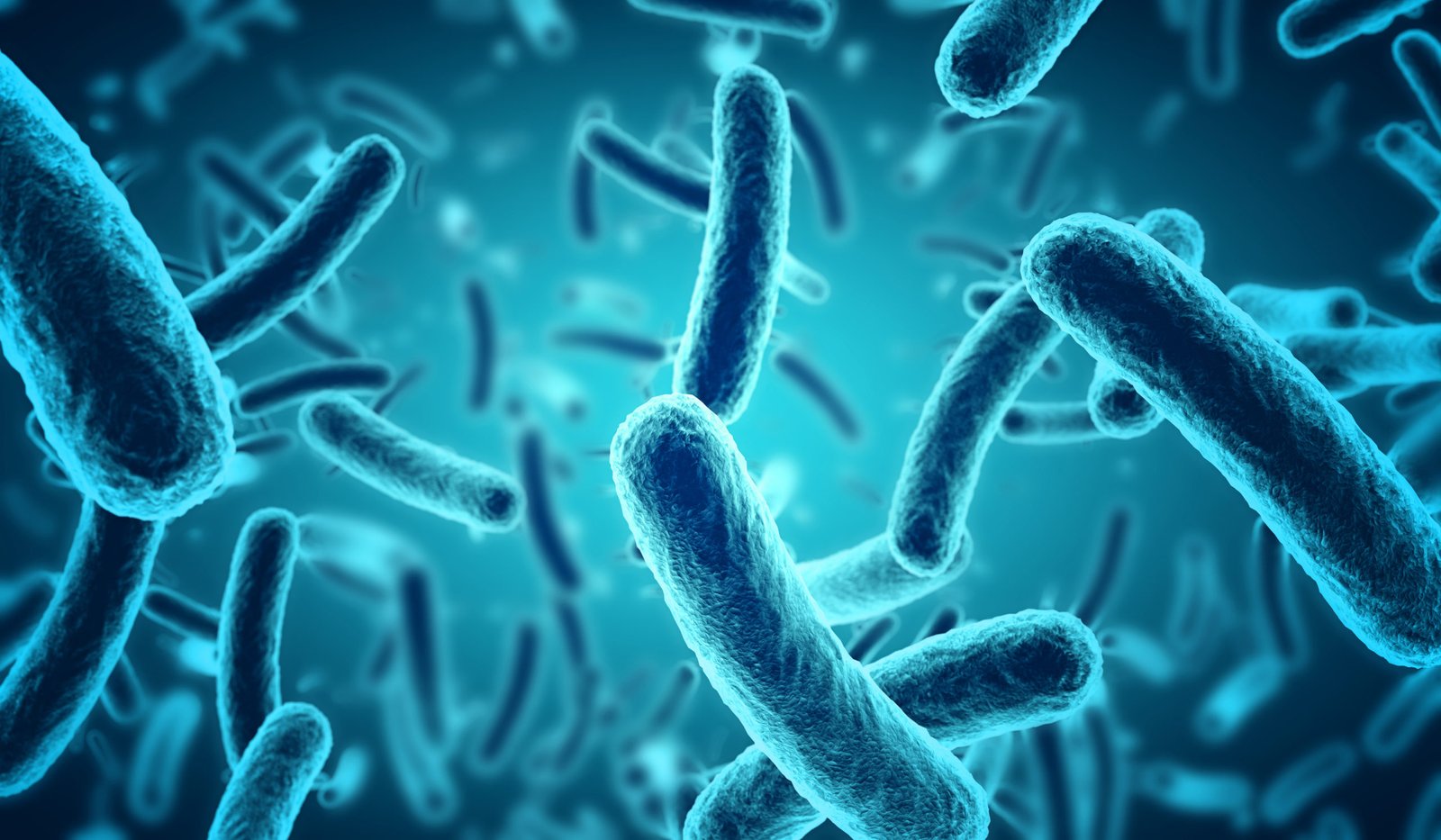
- Bacteria
- Bacterial capsule.
- Bacterial cell wall.
- Cytoplasmic membrane.
- Glycocalyx
- Plasmid
- Pili/Fimbria
- Flagella
- Bacterial spores
- Bacterial Growth Curve
- Bacterial Genetics & Pathogenesis
- Toxin/ Exotoxin & Endotoxin
- Cocci
- Diplococci & Streptococcus pneumoniae
- Pneumonia
- Gonorrhoeae
- Staphylococci.
- Skin infections
- Wound
- Streptococci
- Rheumatic fever
- Bacilli
- (Gram positive) Clostridium
- Tetanus
- Botulism
- Anthrax/ Bacillus anthracis.
- Gram Negative / Escherichia coli (E. coli)
- Salmonella.
- Typhoid fever
- Shigella.
- Acid fast bacilli.
- Mycobacterium tuberculosis
- Leprosy (Hansen’s Disease)
- Vibrio Cholerae
- Spirochetes
- Syphilis
- Helicobacter pylori
- Peptic ulcer disease
CHAPTER -3: Viruses.
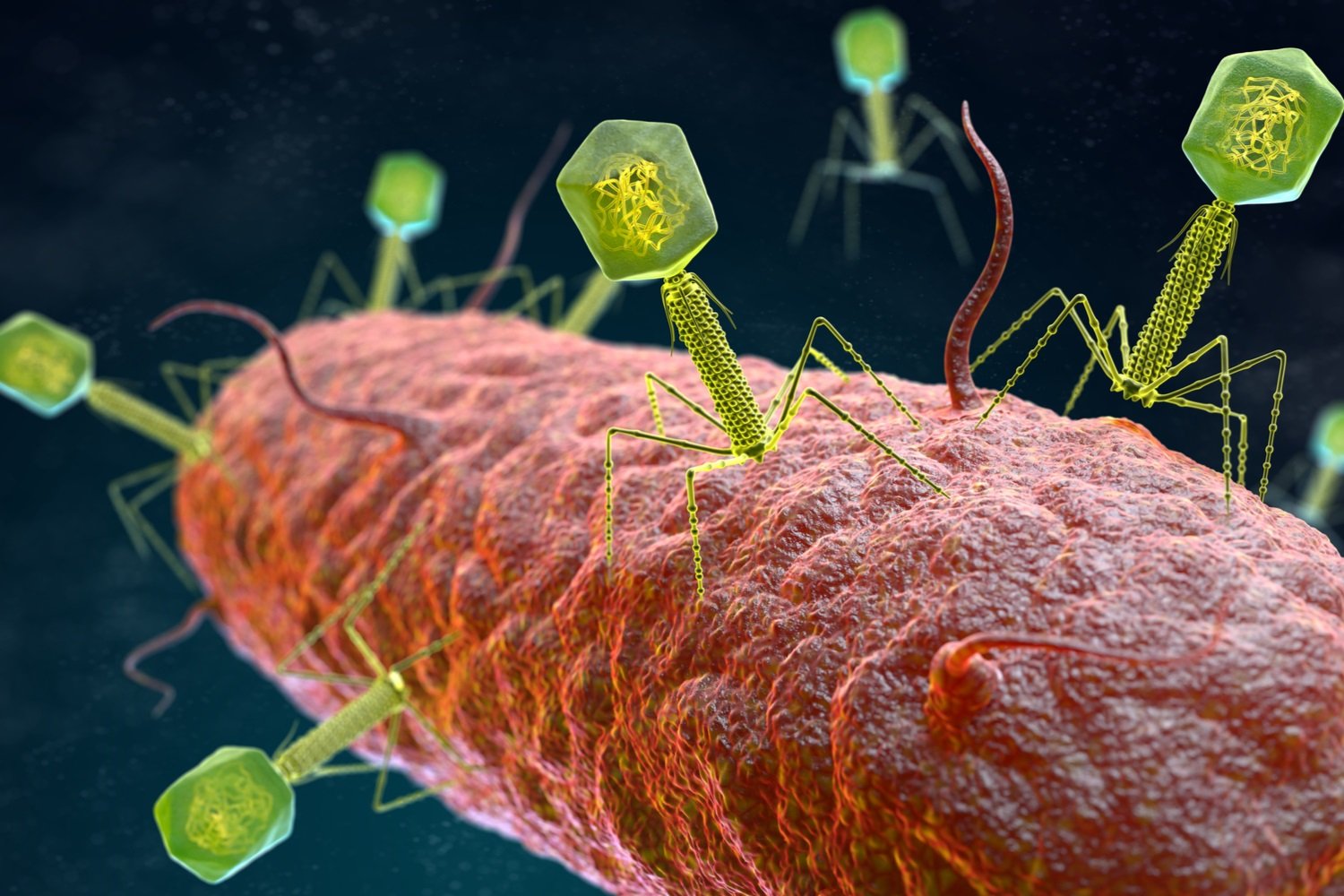
- Viruses
- Pneumotropic (Viral Influenza)
- Neorotropic
- Viral Encephalitis
- Poliomyelitis
- Rabies
- Viscerotropic
- Infectious Hepatitis
- Dengue
- Yellow Fever
- Measles
- Chickenpox
- Sexually Transmitted Disease
- AIDS
CHAPTER-4: Fungi.
- Fungus
- Dermatophyte: Tineas or ring worms (Mycoses)
- Candida albicans
- Candidiasis
- Cryptococcus neoformans
- Cryptococcosis
CHAPTER -5: Parasites.
- Parasite
- Host-parasite relationships
- Protozoa
- Helminthes
- Plasmodium falciparum, vivax, ovale, malariae ((Malaria)
- Black water fever
- Leishmania donovani (Kala-Azar)
- Entamoeba histolytica (amoebic dysentery)
- Worm infestation
- Tape worm
- (Thread Worm / Pin Worm)/Enterobius Vermicularis
- Ascaris lumbricoides
- Trichomonas vaginalis
- Nematodes
CHAPTER -6: Microorganisms and Human Diseases.
- Microbe & Microorganism
- Infectious disease
- Human disease
CHAPTER -7: Immunization.
- Immunology
- Immunity
- Active Immunity and Passive Immunity
- Innate Immunity & Acquired Immunity
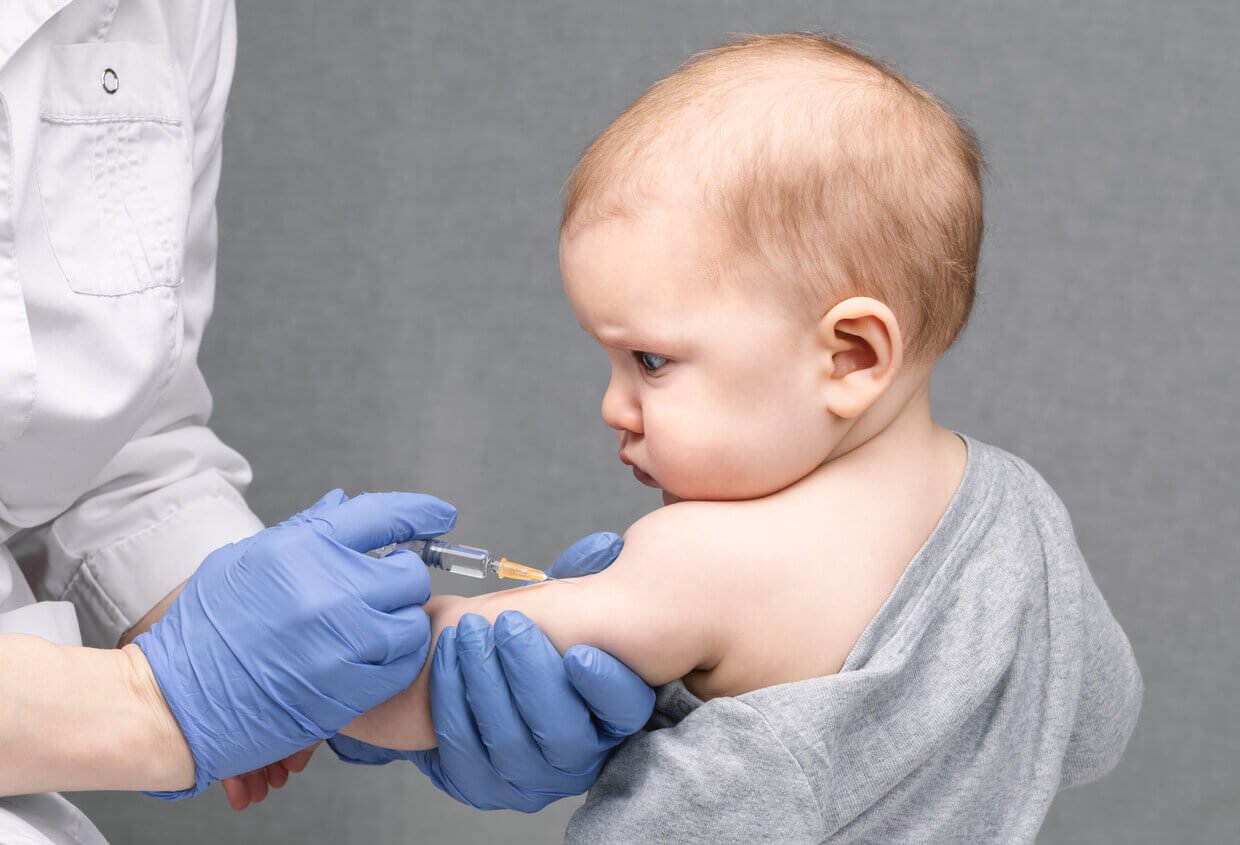
- Immunization and Vaccination
- EPI (Expanded program on immunization)
- Cold chain
- Hypersensitivity
CHAPTER -8: Prevention and Controlling of Microorganisms.
- Universal precautions
- Microorganisms in the hospitals
- Mode of transmission
CHAPTER -9: Controlling of Microbial Growth
- Sterilization
- Disinfection
- Antisepsis and antiseptics
- Autoclaving
- Pasteurization
- Infection Control
CHAPTER-10: Hospital-Acquired Infection.
- Hospital Acquired Infection / Cross Infection / Nosocomial Infection
- Urinary Tract Infection (UTI)
- Common disinfectants being used in hospitals
CHAPTER -11: Pre-Exposure & Post-Exposure Prophylaxis.
- Pre-Exposure & Post-Exposure Prophylaxis.
CHAPTER -12: Identification of Microorganisms.
- Culture & Media
- Selective Media.
- Enriched Media.
- Indicator/Differential Media.
- Transport Media
- Blood Culture.
- Urine Culture
- Stool Culture
- Culture of Throat Swab or Sputum
- Staining Methods
- Sample/Specimen Collection