Nurse’s Roles for Preparing a Patient for Physical Assessment – Nursing is a profession within the healthcare sector focused on the care of individuals, families, and communities so they may attain, maintain, or recover optimal health and quality of life. Nurses may be differentiated from other healthcare providers by their approach to patient care, training, and scope of practice. Nurses practice in many specialisms with differing levels of prescriber authority.
Many nurses provide care within the ordering scope of physicians, and this traditional role has shaped the public image of nurses as care providers. However, nurses are permitted by most jurisdictions to practice independently in a variety of settings depending on training level. In the postwar period, nurse education has undergone a process of diversification towards advanced and specialized credentials, and many of the traditional regulations and provider roles are changing.
Nurses develop a plan of care, working collaboratively with physicians, therapists, the patient, the patient’s family, and other team members, that focus on treating illness to improve quality of life. Nurses may help coordinate the patient care performed by other members of an interdisciplinary healthcare team such as therapists, medical practitioners, and dietitians. Nurses provide care both interdependently, for example, with physicians, and independently as nursing professionals.
Nurse’s Roles for Preparing a Patient for Physical Assessment
1. Establish a positive nurse/patient rapport. This relationship will decrease the stress the patient may have in anticipation of what is about to be done to him.
2. Explain the purpose for the physical assessment.
3. Obtain an informed, verbal consent for the assessment.
4. Ensure confidentiality of all data. If possible, choose a private place where others cannot overhear or see the patient.
5. Explain what information is needed and how it will be used.
6. Provide privacy from unnecessary exposure.
7. Assure as much privacy as possible by using drapes appropriately and closing doors.
8. Communicate special instructions to the patient.
9. Always dress in a clean, professional manner, make sure my name or work place identification is visible.
10. Remove all bracelets, necklaces or earning that can interfere with the physical assessment.
11. Be sure that the finger nails are short and hands are warm for maximum patient comfort.
12. Be the hair will not fall forward and obstruct in vision or touch the patient.
13. Arrange for a well-lit, warm and private room.
14. Clarify with the patient how he or she wishes to be address.
15. Explain what plan to do and how long it will take; allow the patient to ask questions.
16. Instruct the patient to undress; the underpants can be left on until the end of the assessment; provide a gown and drape for the patient and explain how to use them.
17. Wash nurse hands in front of the patient to show the concern for cleanliness.
18. Observe standard precautions as indicated.
19. Ensure that the patient is accessible from both sides of the examining bed or table.
20. Position the patient as directed by the body system being assessed; refer for positioning and draping techniques.
21. Enlist the patient’s cooperation by explaining what I am about to do, where it will be done, and how it may feel.
22. Warm all instruments prior to their use (use hands and warm water).
23. If the patient complains of fatigue, continue the assessment later.
24. Avoid making crude or negative remarks.
25. Conduct the assessment in a systematic fashion every time, (This decreases the likelihood of forgetting to perform a particular assessment).
26. Thank the patient when the physical assessment is concluded; inform the patient what will happen next.
27. Document assessment findings.
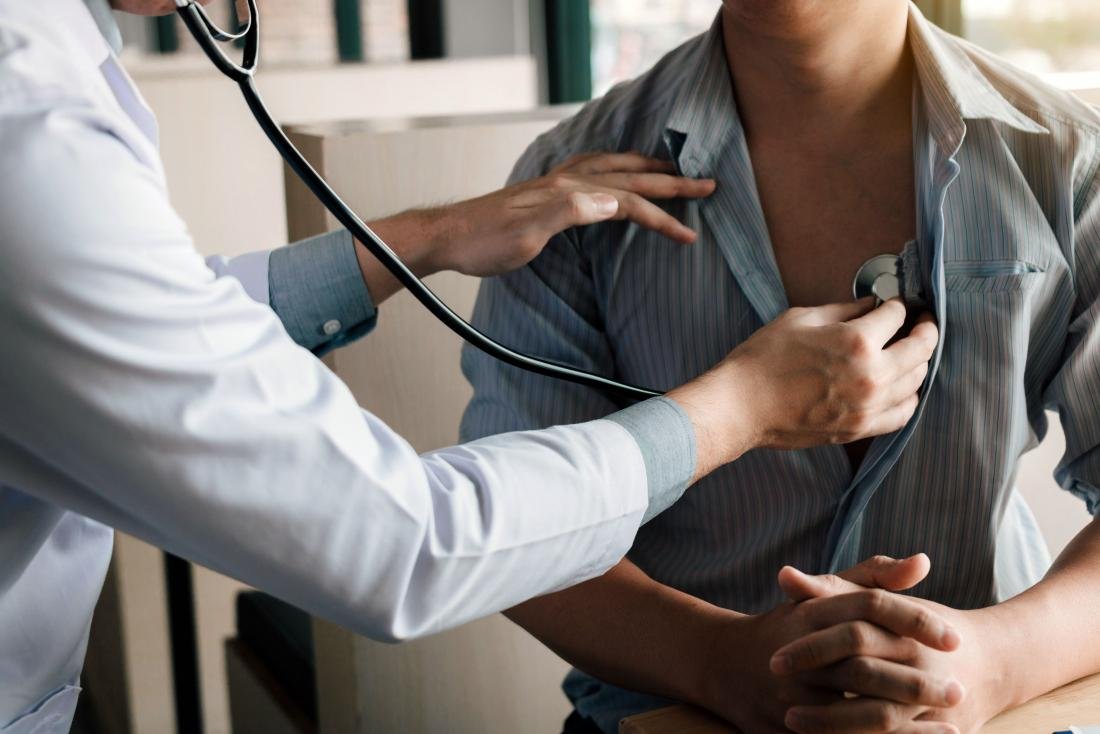
A. Procedure of General Survey:
- The general survey begins when we first meet the client, in the waiting room or examination room or while delivering bedside care.
- Survey mobility and gait as the person walks into the room.
- Continue the general survey as we examine each body region.
- With the client seated on the examination table, bed, or chair.
B. Observe And Record During General Survey:
- General state of health
- Signs of distress such as breathing difficulty, pain.
- Awareness, behavior, facial expression, mood.
- Height, weight, nutritional status.
- Hygiene, grooming, clothes
- Skin condition.
- Odors (TO).
- Postures, motor activity, physical deformities.
- Speech pattern.
- Apparent age vs actual age.
Procedure of Eyes and Test Vision Examination:
1. Inspect and palpate to evaluate external eye structures.
2. Evaluate visual acuity. Perform near vision new or snellerjacger chart testing of far vision at the beginning of the examination.
3. Test extra ocular muscle function (cranial nerves III, IV and VID).
4. Test papillary reflexes.
5. Inspect internal eye structure with the ophthalmoscope; darken the room if possible
A. Procedure of Ears and Test Hearing Examination:
- Inspect and palpate the external ear.
- Evaluate hearing.
- Inspect the ear canal and tympani membrane with the otoscope.
B. Observe and Record During Ears And Test Hearing Examination:
- Skin integrity
- Structure, alignment and symmetry
- Tenderness
- Ability to distinguish sound varying in pitch and intent.
- Sound lateralization.
- Perception of air conduct of sound vs bone conduction.
- Skin integrity.
- Obstructions, foreign body.
- Color, light reflection. Landmark and configure of the lympanic member.
Mention the observation and recording process of upper extremities
A. Procedure of Upper Extremities Examination:
- Inspect the musculoskeletal structure skin and nails.
- Test musculoskeletal function.
- Palpate bronchial and radial arteries.
- Test deep tendon reflexes.
B. Observe and Record During Upper Extremities Examination;
- Skin integrity
- Muscle mass.
- Alignment and symmetry.
- Muscle strength and tone.
- Range of motion.
- Pulsations.
- Motor response.
Procedure of Anterior Chest Examination:
- Inspect the palpate the breasts and axillae.
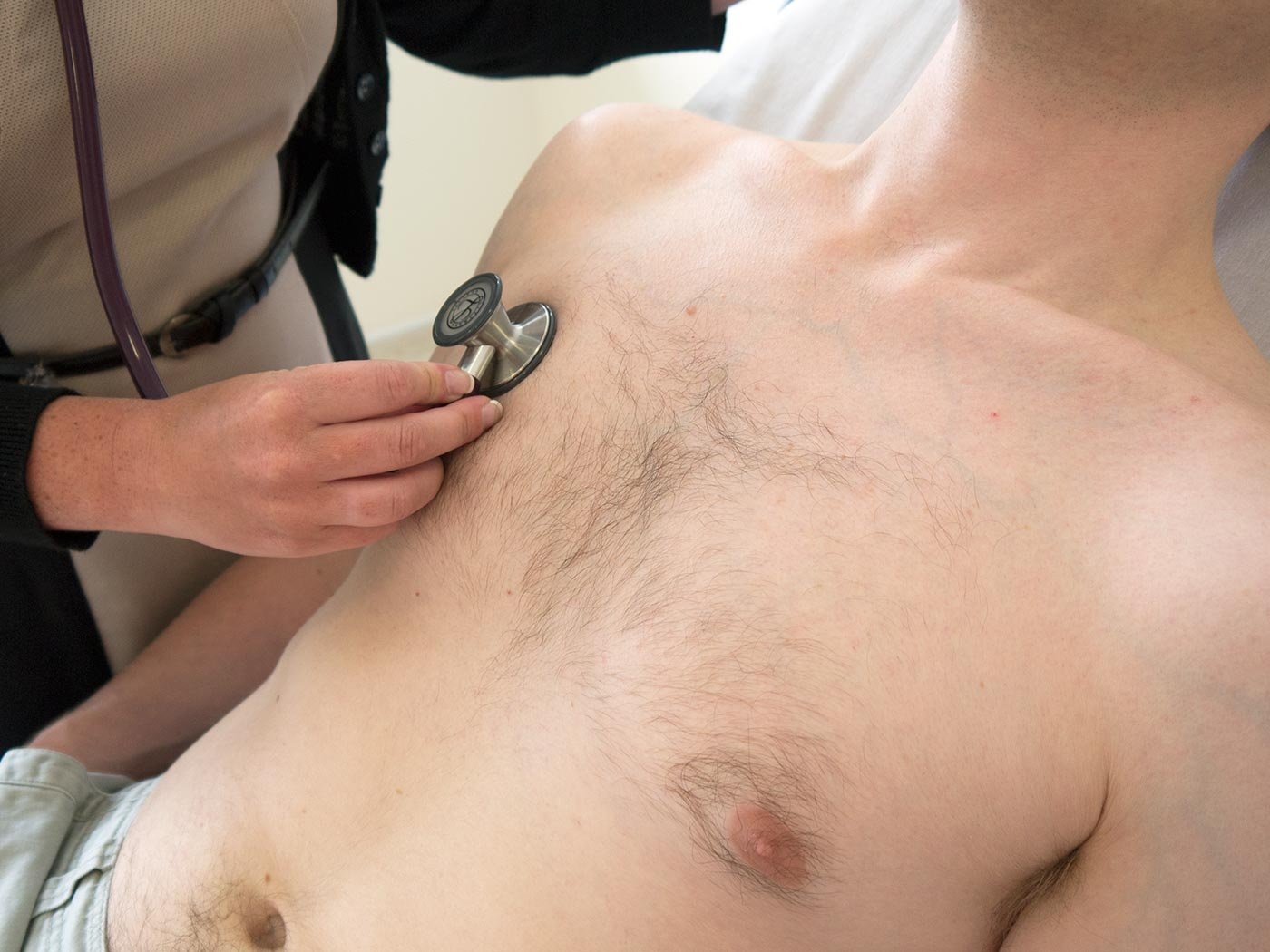
- Inspect, palpate, percuss and auscultate the thorax.
- Inspect, palpate and auscultate the precordium.
Observe and Record During Anterior Chest Examination;
1. Skin integrity.
2. Size, shape and symmetry
3. Consistency
4. Ventilator pattern
5. Chest excursion.
6. Vibrations.
7. Percussion tones.
8. Breath sounds.
9. Pulsations.
10. Heart sound
A. Procedure of Back Examination:
- Inspect and test musculoskeletal structures.
- Perform fist percussion over the spine and kidneys.
- Inspect, palpate, percuss and auscultate the posterior thorax.
B. Observe And Record During Back Examination:
- Spinal alignment.
- Muscle tone.
- Range of motion.
- Tenderness.
- Same as anterior thorax.
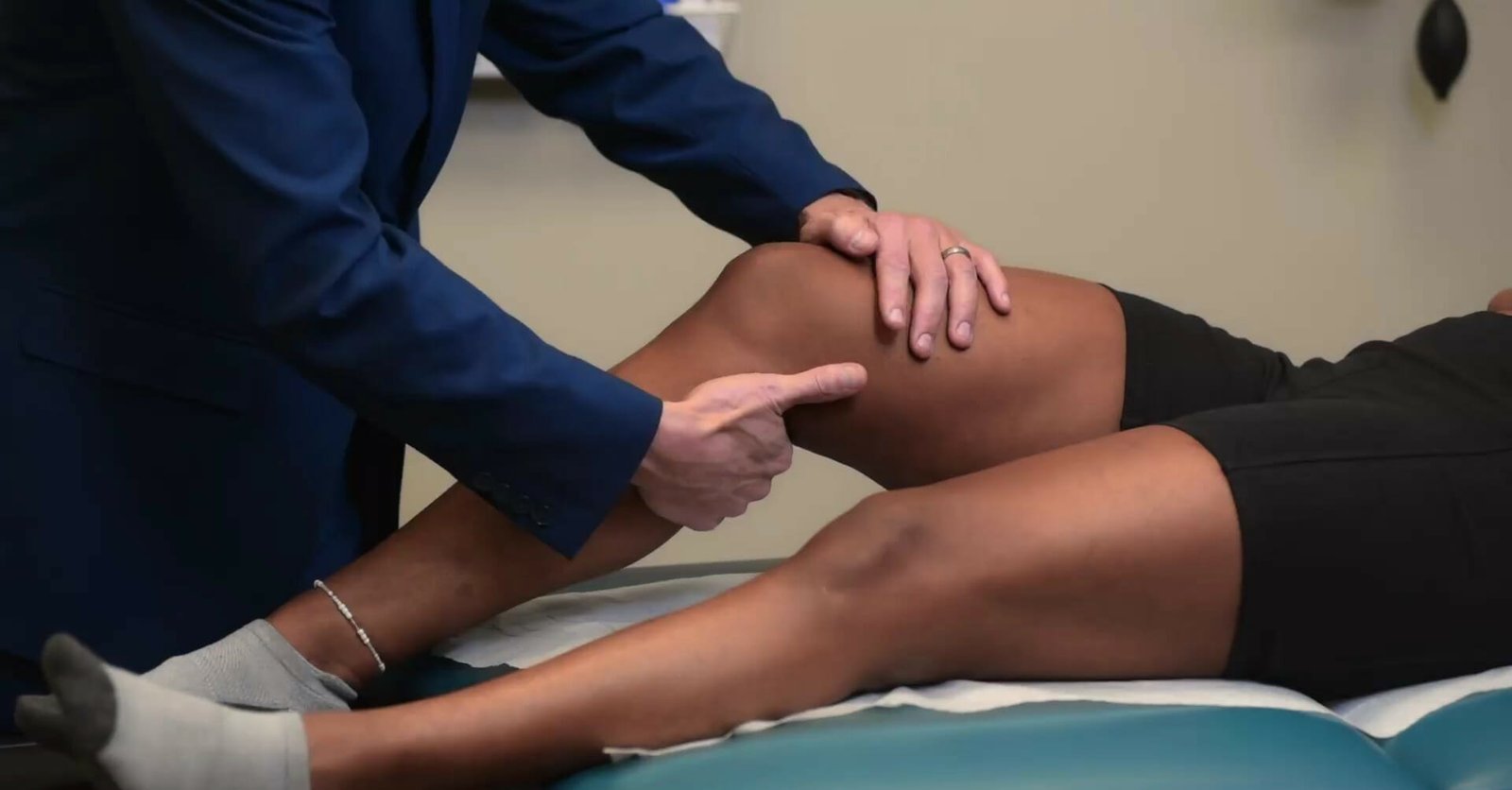
Procedure of Lower Extremities Examination;
1. Inspect musculoskeletal structures, skin and toenails.
2. Test musculoskeletal function.
3. Palpate political, posterior, tibial and pedal arteries.
4. Test deep tendon reflexes and plantar reflex.
A. Procedure of Genitals and Pelvis Examination:
- Inspect the external genitals.
- Insect the vagina, uterus and cervix.
- Palpate the vagina, uterus and cervix.
B. Observe and record during genitals and pelvis examination;
- Skin integrity.
- Contour and symmetry.
- Discharge.
- Masses.
- Muscle tone.
- Position.
- Size.
- Consistency and masses.
A. Procedure of External Genitals Examination:
- Inspect and palpate the penis.
- Inspect and palpate the scrotum.
- Inspect and palpate for hernias.
B. Observe and Record During External Genitals Examination:
- Skin integrity.
- Masses.
- Discharge.
- Size and shape.
- Testicular descent and mobility.
- Mosses.
- Tenderness.
- Bulges