
A surgical soak is a therapeutic nursing procedure in which a body part or an open wound is submerged or directly immersed in a warm, sterile solution using strict aseptic technique. It is essentially a localised bath, commonly applied to extremities such as the arm, hand, foot, or leg.
When an open wound is present, moist heat is delivered through immersion in a sterile warm solution. This method enhances local circulation, softens tissues, aids wound cleansing, and promotes healing. Surgical soaks are frequently used in the management of infected wounds, ulcers, post-operative sites, and chronic conditions such as diabetic foot ulcers.
Surgical Soak
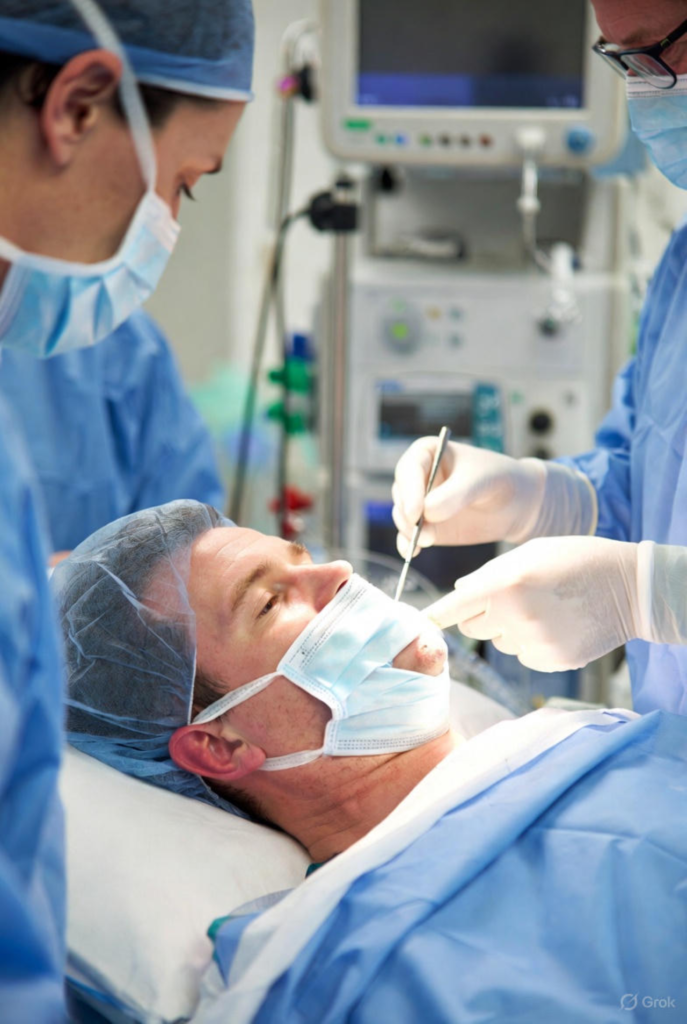
Definition
Surgical soak is defined as the immersion of a wound or body part in a sterile, warm therapeutic solution for a prescribed period to achieve local healing, cleansing, and pain relief.
Purpose of Surgical Soak
The objectives of performing a surgical soak include:
- To promote wound healing by increasing local blood circulation
- To relieve pain and discomfort through moist heat
- To reduce local congestion and soften crust formation
- To decrease oedema and inflammation
- To facilitate removal of slough, debris, and exudate from wounds
- To allow local application of medication in infected areas
- To soften tissues and make manipulation of painful areas easier
- To prepare wounds for surgical intervention, such as skin grafting in diabetic foot ulcers
Preliminary Assessment
Before performing a surgical soak, the nurse should:
- Assess the general condition of the patient
- Verify the physician’s order, including solution type, temperature, and duration
- Ensure the patient is placed in a comfortable and appropriate position
- Maintain privacy and dignity at all times
- Confirm that all necessary equipment is available at the bedside or in the treatment area
Preparation of the Patient
Proper preparation ensures patient cooperation and safety:
- Explain the procedure clearly to reduce anxiety and promote cooperation
- Schedule the soak at a suitable time, preferably during routine dressing changes
- Draw curtains or screens in open wards to maintain privacy
- Use sensitive language—avoid referring to surgical incisions as “scars,” as this term may carry negative emotional meaning for some patients
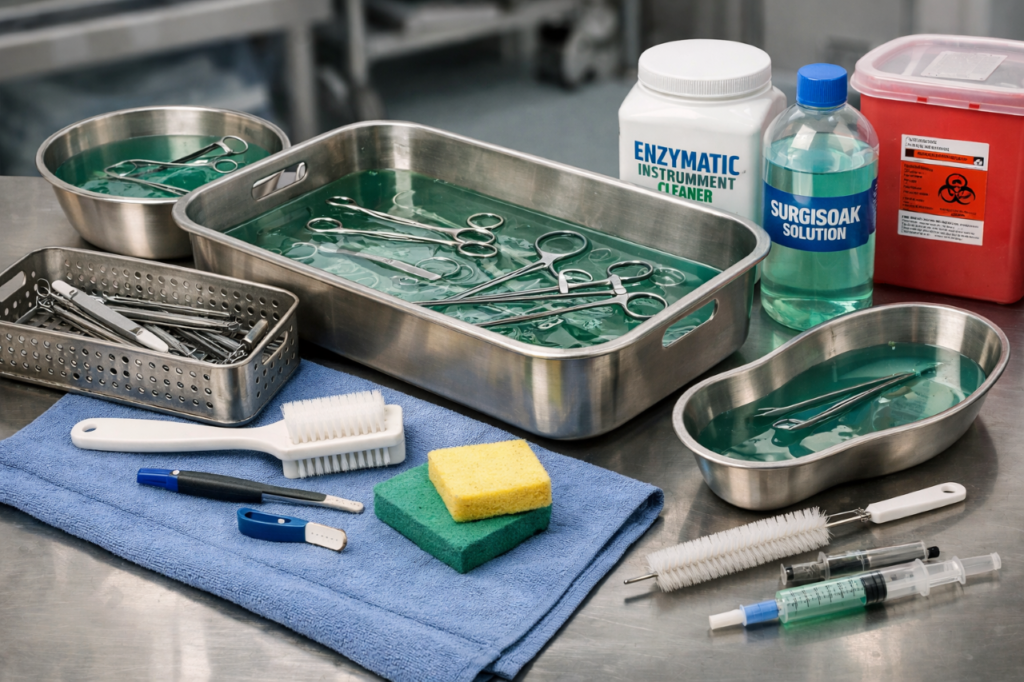
Equipment Required
- Sterile basin or bucket
- Boiled and cooled water
- Lotion thermometer
- Normal saline
- Small mackintosh
- Unsterile kidney basin
- Clean duster or towel
- Sterile pint measure
- Bowl with cotton balls
- Sterile gauze pieces and cotton pads
- Gloves, gown, and mask
- Sponge-holding forceps
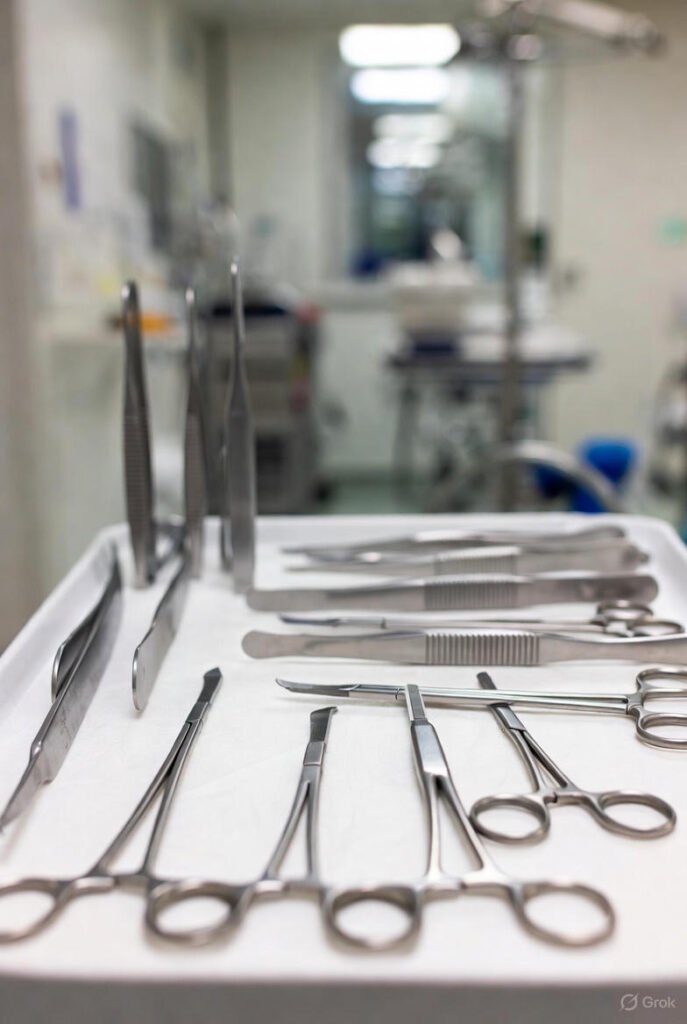
Solutions Commonly Used
The choice of solution depends on the physician’s order and wound condition:
- Warm sterile water (105–110°F / 40–45°C)
- Concentrated normal saline
- Potassium permanganate solution (diluted until pale pink)
- Dakin’s solution (sodium hypochlorite)
Duration: Usually 15–20 minutes, unless otherwise prescribed.
Procedure
- Remove the outer dressing following standard surgical dressing protocol
- Perform hand hygiene thoroughly
- Check the temperature of the solution using a thermometer
- Open the sterile basin and pour the sterile warm water into it
- Add the prescribed medication using a sterile pint measure
- Place the basin on a small mackintosh to protect bedding
- Open the sterile dressing pack and gently remove any adherent dressing
- Assess the wound for signs of infection, exudate, or tissue changes
- Ask the patient to immerse the affected part into the basin, ensuring comfort and tolerance
- Instruct the patient to soak the area for 15–20 minutes
- Remove the basin carefully after the allotted time
- Drape the wound with a sterile cover
- Perform sterile dressing as ordered
- Replace all articles appropriately
Documentation
Accurate documentation is essential and should include:
- Time and duration of the surgical soak
- Type, concentration, and temperature of the solution used
- Condition of the wound (appearance, drainage, odour, slough)
- Patient’s tolerance and level of cooperation
- Any abnormal findings or patient complaints
Nursing Considerations and Precautions
- Always maintain aseptic technique to prevent cross-infection
- Ensure the solution is not too hot to avoid burns
- Observe the patient for signs of discomfort, dizziness, or intolerance
- Do not exceed the prescribed duration, as prolonged soaking may cause maceration
- Use caution in patients with impaired sensation, such as those with diabetes or neuropathy

Surgical soak is a valuable nursing intervention that plays a significant role in wound management and infection control. When performed correctly, it enhances healing, reduces discomfort, and prepares wounds for further treatment or surgical procedures.
For nurses, mastering the technique of surgical soak requires not only technical skill but also careful assessment, patient education, strict aseptic practice, and thorough documentation. Properly executed, surgical soak contributes meaningfully to patient comfort, safety, and recovery.