Total Serum Protein Test – Introduction to fundamental concepts of Biological Science including the organization and common characteristics of living matters, cell structures and functions, food production by photosynthesis, harvesting energy, mechanism of cells reproduction, genetics, evolutions, and Human Biology. Introduction to general chemistry including basic concepts about matter, atomic structure, chemical bonds, gases, liquid, and solids, solutions, chemical reactions, acid, bases, and salt;
organic and biochemistry including hydrocarbons and their derivatives, carbohydrates, lipids, proteins, enzymes, vitamins, and minerals, nucleic acids; principles of physics and applications to nursing including gravity and mechanics, pressure, heat and electricity; nuclear chemistry and nuclear physics, effects of radiation on human beings, and protection and disposal. The aim of the course is to acquire knowledge and skills in general biological science, general chemistry and physics.
Total Serum Protein Test
A total serum protein test measures the total amount of protein in the blood. It also measures the amounts of two major groups of proteins in the blood: albumin and globulin.
➤ Albumin is made by the liver and makes up about 60% of the total protein. Albumin keeps fluid from leaking out of blood vessels, nourishes tissues, and transports hormones, vitamins, drugs, and substances like calcium throughout the body.
➤ Globulins make up the remaining 40% of proteins in the blood. The globulins are a varied group of proteins, some produced by the liver and some by the immune system. They help fight infection and transport nutrients.
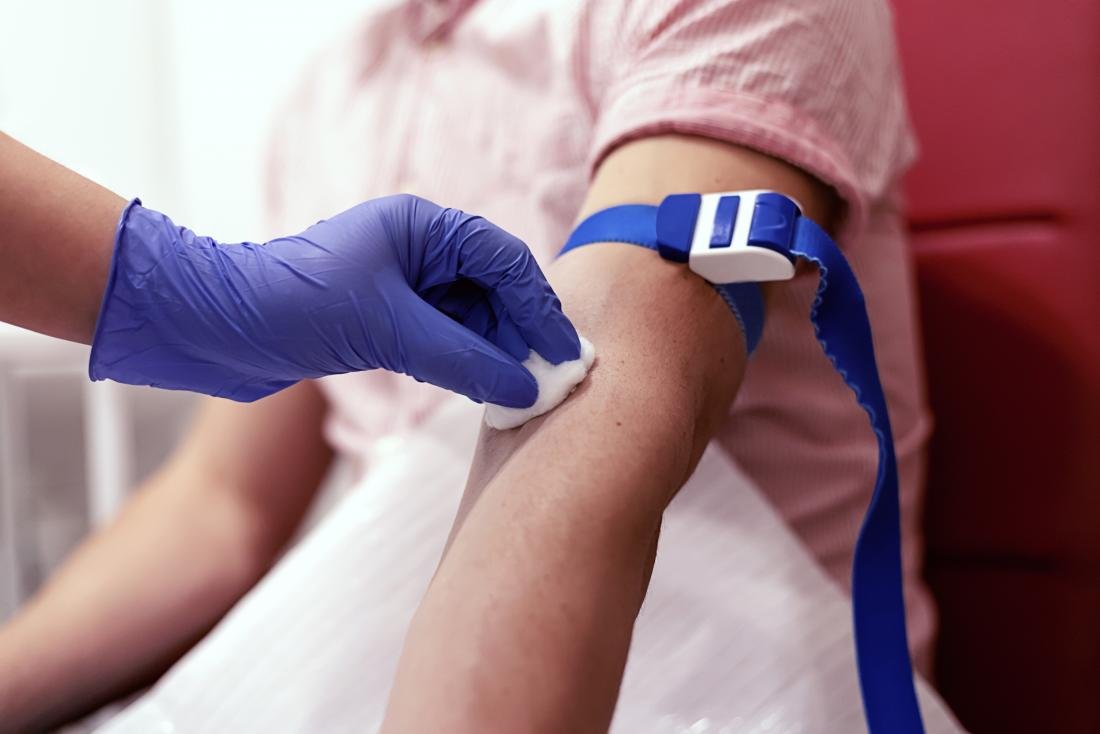
The test is performed
➤ A blood sample is needed. Most of the time blood is drawn from a vein located on the inside of the elbow or the back of the hand.
Prepare for the test
Many medicines can interfere with blood test results.
➤ Your health care provider will tell you if you need to stop taking any medicines before you have this test.
➤ DO NOT stop or change your medicines without talking to your provider first
Q. Why the test is performed?
Answer:
➤ This test is often done to diagnose nutritional problems, kidney disease or liver disease.
➤ If total protein is abnormal, you will need to have more tests to look for the exact cause of the problem.
Normal Results
➤ The normal range is 6.0 to 8.3 grams per deciliter (g/dL) or 60 to 83 g/L.
➤ Normal value ranges may vary slightly among different laboratories. Talk to your provider about the meaning of your specific test results.
➤ The examples above show the common measurements for results for these tests. Some laboratories use different measurements or may test different specimens.