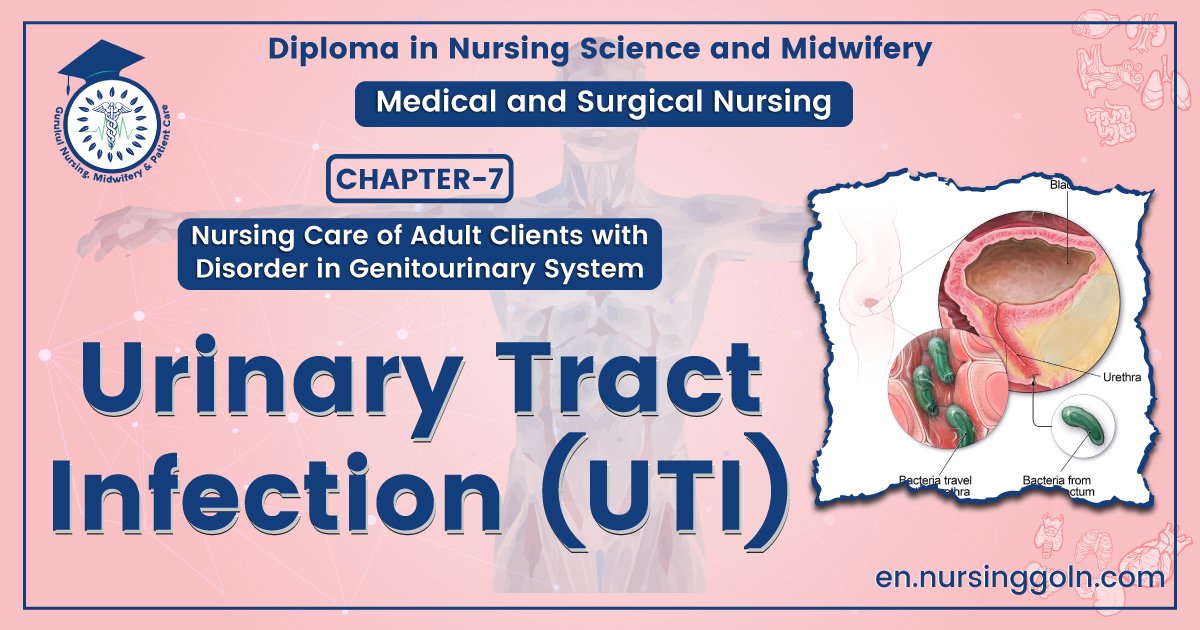
Urinary Tract Infection (UTI) – This course is designed to understand the concept of community health nursing: nurses’ roles and interventions in family health, school health, occupational health, environmental health, elderly health care, gender issues, disaster management and principles and terminology of epidemiology. The aim of the course is to acquire knowledge and skills in community health nursing.
Urinary Tract Infection
Definition of Urinary Tract Infection (UTI):
Multiplication of organism in urinary tract is called UTI & associated with presence of neutrophils & growth of > 10 organism/ml from a properly collected clean catch morning mid-stream urine in most instances will indicate an infection.
Causes of UTI
➤ Bacteria
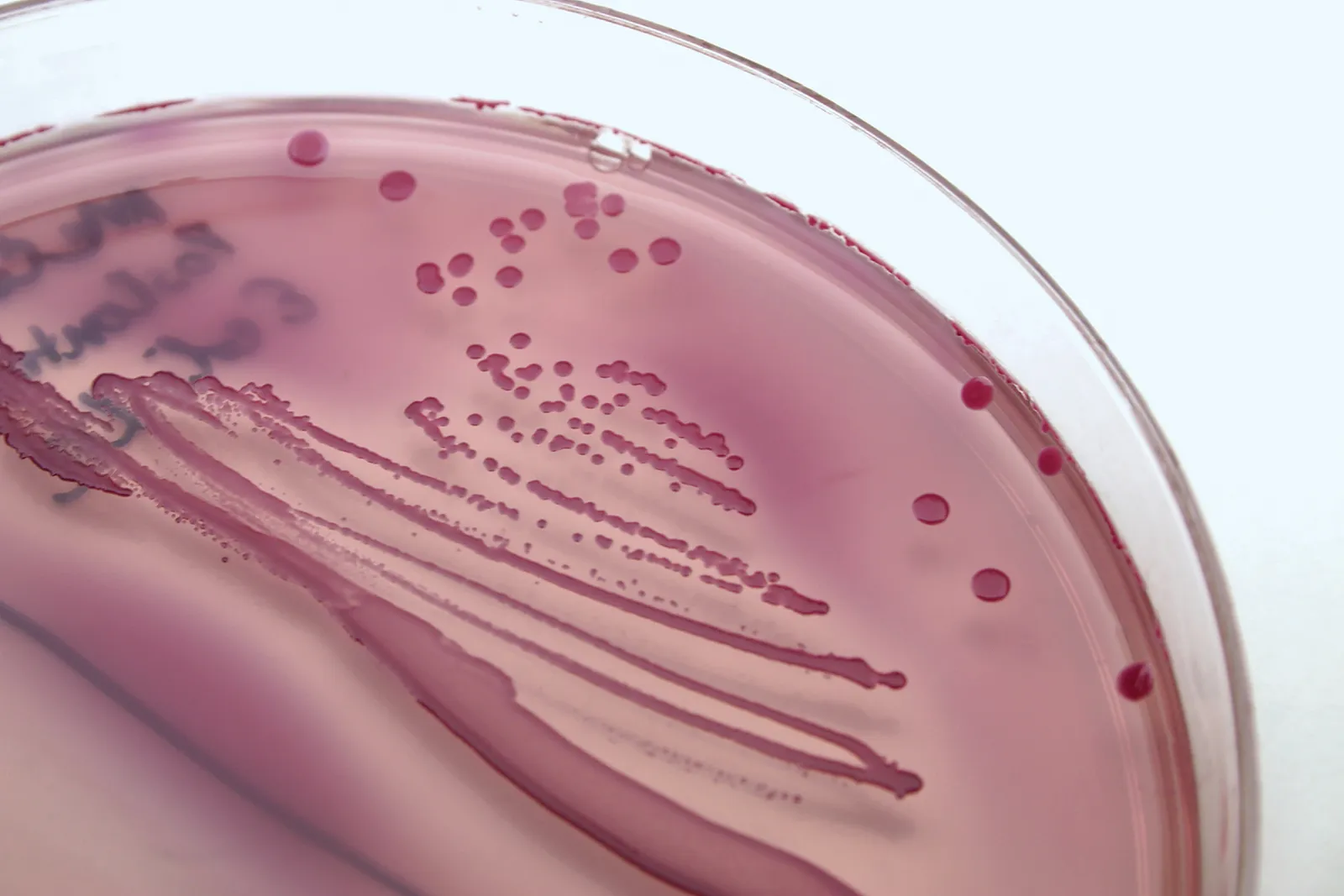
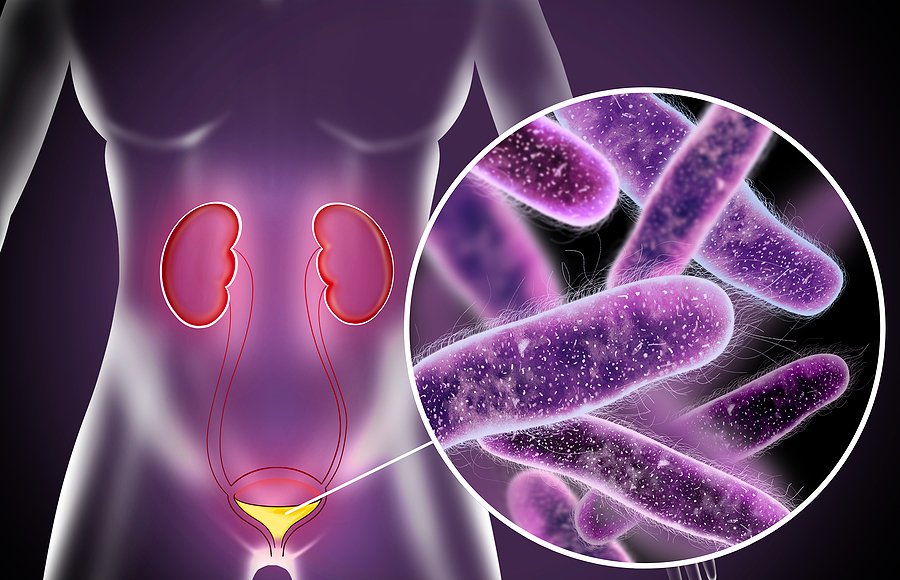
- E. coli (Escherichia coli) (75% UTI)
- Klebsiella
- Proteus omni політика
- Pseudomonas
- Enterobacter
- Staphylococcus epidermidis
- Staphylococcus Saprophyticus
➤ Parasites
- Wuchereria bancrofti (W. bancroftisis autem og tile zull
- Trichomonas vaginalis (T. vaginalis)
- Schistosoma haematobium to taste
➤ Fungus: Candida albicans
Urinary Tract Infection (UTI)
Terminology related to UTI
- UTI: Urinary tract infection is a general term referring to the presence of microorganisms in the urine.
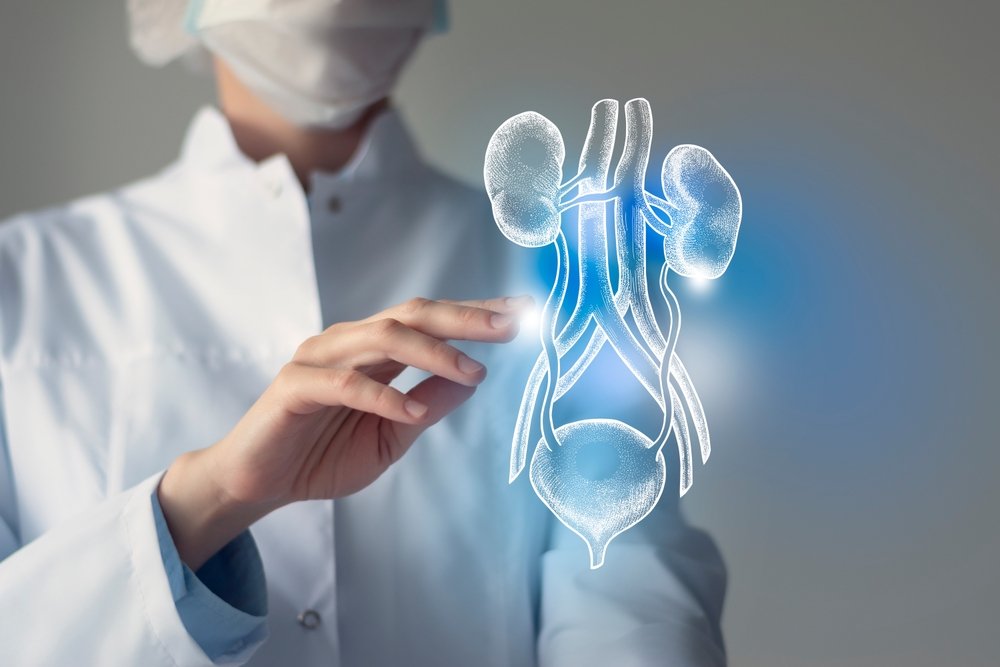
- Lower UTI: Superficial/mucosal infection of bladder & urethra: Cystitis, Urethritis
- Upper UTI = tissue invasion: Pyelonephritis, Prostatitis, Intrarenal and perinephric abscess
Clinical Features of UTI:
Symptoms:
- viwod Irritative voiding symptom: Frequency, urgency, dysuriarufom
- Suprapubic pain during and after voiding gun 025 milya
- Intense desire to pass more urine due to spasm of inflamed bladder wall
- Haematuria
- Patient usually afebrileva Vi
- Systemic symptoms are usually slight
Signs:
- Supra-pubic tenderness often present but examination often unremarkable
- Urine: Often becomes grossly cloudy and malodorous; it is bloody in 30% cases
- Pelvic examination
- Rectal examination
Investigations of UTI:
| For all patients |
|
| For infants, children and adult with fever, acute pyelonephritis or prostatitis |
|
| For pyelonephritis: males, Females and children with recurrent infection |
|
| For continuing haematuria or other suspicion of bladder lesion: |
|
Treatment of UTI:
- Appropriate antibiotic: according to urine culture.
- Cystitis & uncomplicated UTI:
- Duration of Rx-3 days for women & 10 days for men
- Trimethoprim-200 mg 12 hourly
- Coamoxyclav 250/125 mg 8 hourly
- Ciprofloxacin 100 mg 12 hourly
- For pregnancy Cefalexin 250 mg 6 hourly for 7 days
- Pyelonephritis & complicated UTI:
- Cefuroxime 750 mg IV 8 hourly for 7-14 days (pregnancy safe)
- Coamoxyclav 500/125 mg 8 hourly for 7-14 days
- Ciprofloxacin 500 mg 12 hourly for 7-14 days
- Advice:
- Intake of plenty of fluid (> 2 L/day)
- Regular emptying of bladder (3 hours interval at day time & before sleep).
- Emptying of bladder before & after intercourse.
- Avoiding of constipation, which may impair bladder emptying.
- Double micturition if reflux is present.
- Good personal hygiene.
- Cranberry juice may be effective.
Nursing Management of UTI
Nursing Assessment
A history of signs and symptoms related to UTI is obtained from the patient with a suspected UTI
- Assess changes in urinary pattern such as frequency, urgency, or hesitancy,lo
- Assess the patient’s knowledge about antimicrobials and preventive health care measures.
- Assess the characteristics of the patient’s urine such as the color, concentration, odor, volume, and cloudiness.
Nursing Diagnosis
Based on the assessment data, the nursing diagnoses may include the following:
- Acute pain related to infection within the urinary tract.
- Deficient knowledge related to lack of information regarding predisposing factors and prevention of the disease.
Nursing Care Planning & Goals
Major goals for the patient may include:
- Relief of pain and discomfort.
- Increased knowledge of preventive measures and treatment modalities.
- Absence of complications.
Nursing Interventions
Nurses care for patients with urinary tract infection in all settings.
- Relieve pain: Antispasmodic agents may relieve bladder irritability and analgesics and application of heat help relieve pain and spasm.
- Fluids: The nurse should encourage the patient to drink liberal amounts of fluids to promote renal blood flow and to flush bacteria from the urinary tract.
- Voiding: Encourage frequent voiding every 2 to 3 hours to empty the bladder completely because this can significantly lower urine bacterial counts, reduce urinary stasis, and prevent reinfection.
- Irritants: Avoid urinary irritants such as coffee, tea, colas, and alcohol.
Evaluation
Expected outcomes may include:
- Experiences relief of pain.
- Explains UTI and their treatment.
- Experiences no complications.
Discharge and Home Care Guidelines
Care of the patient with UTI must continue until at home because it has a high recurrence rate.
- Personal hygiene: The nurse should instruct the female patient to wash the perineal area from front to back and wear only cotton underwear.
- Fluid intake: Increase and fluid intake is the number one intervention that could stop UTI from recurring.
- Therapy: Strictly adhere to the antibiotic regimen prescribed by the physician.
Pathophysiology of UTI:
For infection to occur, bacteria must gain access to the system.
- Access. Infection occurs first as the bacteria gains access inside the urinary tract.
- Attachment. The bacteria attach to the epithelium of the urinary tract and colonize it to avoid being washed out with voiding.
- Evasion. The defense mechanisms are then evaded by the host.
- Inflammation. As the defense mechanisms react to the bacteria, inflammation starts to set in as well as other signs of infection.
Preventive Measure of UTI:
Luckily. UTI is a preventable disease mainly focusing on the hygienic practices of the individual.
- Avoid bath tubs: Shower rather than bathe in a tub because bacteria in the bath water may enter the urethra.
- Perineal hygiene: After each bowel movement, clean the perineum and urethral meatus from front to back to reduce concentrations of pathogens at the urethral opening.
- Increase fluid intake: Drink liberal amounts of fluids daily to flush out bacteria.
- Avoid urinary tract irritants: Beverages such as coffee, tea, colas, alcohol, and others contribute to UTI.
- Voiding habit: Void at least every 2 to 3 hours during the day and completely empty the bladder.
- Medications: Take medications exactly as prescribed.
UTIs are classified by location and are further classified according to other factors and conditions.
➤ Lower UTIs: Lower UTIs include bacterial cystitis, prostatitis, and urethritis.
➤ Upper UTIs: Upper UTIs are much less common and include acute and chronic pyelonephritis,interstitial nephritis, and renal nephritis.
➤ Uncomplicated Lower or Upper UTIs: Most uncomplicated UTIs are community acquired and are common in young women but not usually recurrent.
➤ Complicated Lower or Upper UTIs: Complicated UTIs usually occur in people with urologic abnormalities or recent catheterization and are often acquired during hospitalization.
UTI is more common in female, because
- Short urethra
- Close proximity of urethra to anus
- Absence of prostatic secretion
- Have increased adhesion receptors in genito-urinary mucosa of female
- Urethral trauma during coitus.
Nice to know
Indication for surgery of UTI:
- Obstructive pyonephrosis may need percutaneous nephrostomy.
Indication for Hospitalization of UTI:
- Systemic features from pyelonephritis. or
- Other complicated UTI or when IV antibiotics needed
- Presumed sepsis