
Today our topic of discussion is ” Barrier Defenses and the Innate Immune Response “. The human body, while remarkable in its function and complexity, exists in a world teeming with microbial life and potential pathogens. To combat these challenges, the immune system has evolved two major subdivisions: the innate and adaptive immune systems. This article delves deep into the first line of defense, the barrier defenses, and the innate immune response.
Barrier Defenses and the Innate Immune Response: The Lymphatic and Immune System
1. Introduction
In the vast theater of the human immune system, innate immunity acts as the frontline warrior. It’s quick, nonspecific, and acts as a deterrent to a wide range of potential invaders. Through both physical barriers and cellular responses, the innate immune system plays a foundational role in maintaining health.
2. The Frontline: Barrier Defenses
Our body’s first line of defense against external invaders includes physical and chemical barriers.
- Skin: As the body’s largest organ, the skin acts as a formidable physical barrier. Its outermost layer, the epidermis, regularly sheds, which helps remove microbes. Additionally, the dry and slightly acidic environment of the skin is inhospitable to many bacteria.
- Mucous Membranes: Found lining the respiratory, gastrointestinal, and genitourinary tracts, these membranes produce mucus—a viscous fluid that traps microbes. Cilia in the respiratory tract move this mucus upwards, helping to expel or swallow entrapped invaders.
- Chemical Barriers: This includes the acidic environment of the stomach, lysozyme in tears and saliva that breaks down bacterial cell walls, and antimicrobial peptides present on the skin and mucous membranes.
3. Cellular Defenders: Phagocytes
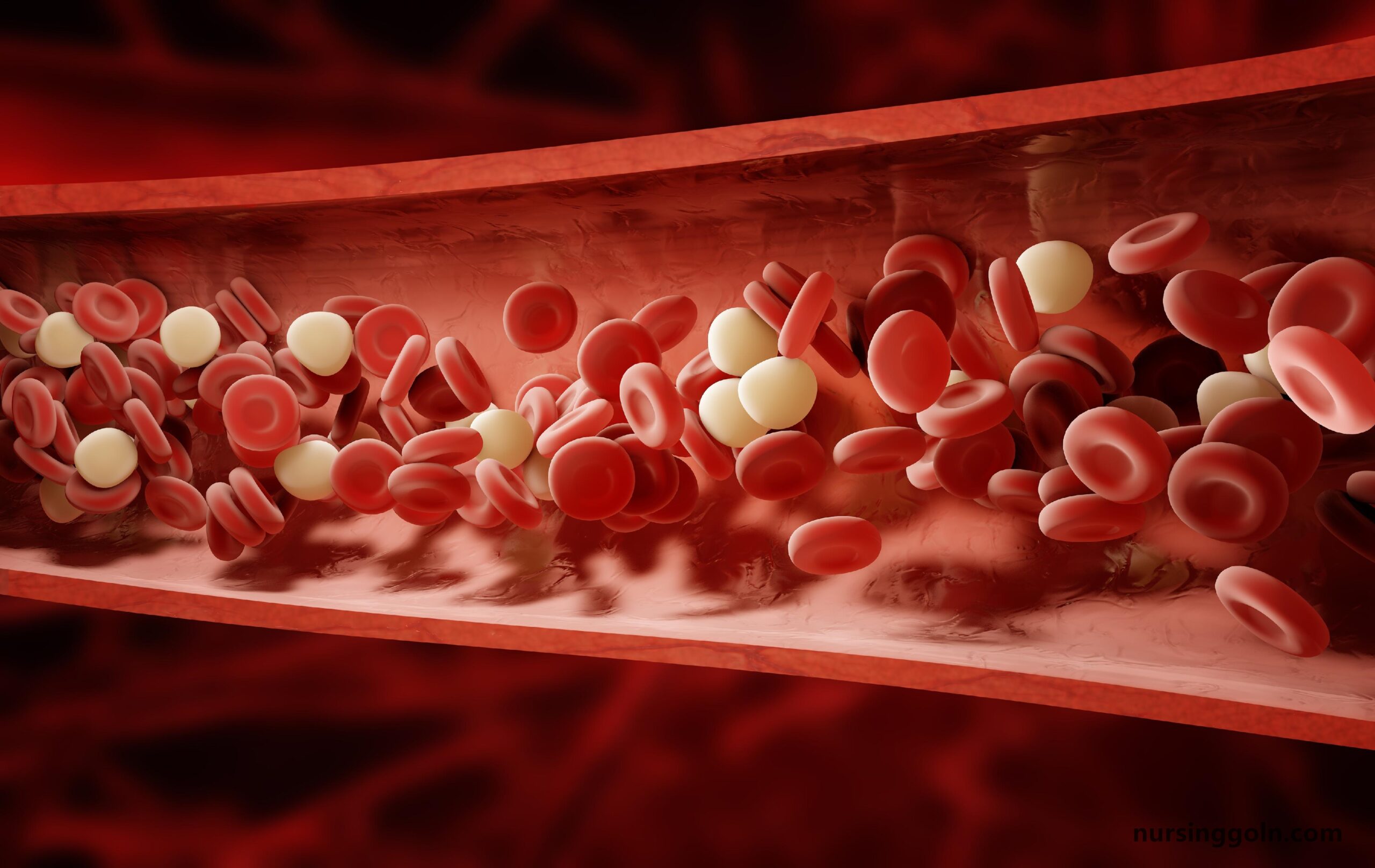
Once pathogens breach the physical barriers, the body relies on a cellular response. Phagocytes, a group of white blood cells, are specialized in engulfing and digesting foreign invaders.
- Neutrophils: The most abundant white blood cell type, they’re rapidly mobilized in response to an invasion and are particularly effective against bacteria.
- Macrophages: These ‘big eaters’ can engulf larger particles and pathogens and play a crucial role in alerting the rest of the immune system.
- Dendritic Cells: Found in tissues in contact with the external environment, they’re key players in alerting the adaptive immune system.
4. The Inflammatory Response
Inflammation, a hallmark of the innate immune response, aims to eliminate the initial cause of cell injury, clear out damaged cells, and initiate tissue repair. It’s characterized by redness, heat, swelling, pain, and loss of function.
Steps of the Inflammatory Response:
- Tissue damage results in the release of various chemicals, including histamines, kinins, and prostaglandins.
- These chemicals increase the permeability of local capillaries, causing redness and heat.
- Attracted by these chemicals, phagocytes move to the site of injury.
- Phagocytes consume pathogens and dead cells.
5. Fever: The Body’s Internal Defense
A fever, or elevated body temperature, acts as a systemic response to infection. By raising the body’s temperature, a fever can:
- Hamper the growth of temperature-sensitive pathogens.
- Speed up the body’s repair processes.
6. The Complement System
This is a system of proteins that complements the action of antibodies. It can:
- Enhance phagocytosis.
- Lyse pathogens.
- Amplify the inflammatory response.
7. Natural Killer Cells
These lymphocytes can recognize cells that have been virally infected or transformed into cancer cells and induce apoptosis (cell death), thereby preventing the spread of infections or tumors.
8. Interferons
Produced by cells in response to viral infections, interferons interfere with viral replication within cells and can bolster the defenses of nearby cells.
9. The Link to Adaptive Immunity
While the innate immune system acts rapidly, it lacks specificity. It relies on the adaptive immune system to target specific invaders. Dendritic cells, macrophages, and other cells of the innate system present antigens to the adaptive immune system, bridging the gap between the two systems.

10. Conclusion
The innate immune system, with its diverse array of barrier defenses and cellular responses, serves as the body’s immediate response to threats. Though it may lack the precision of the adaptive immune system, its rapid and broad-spectrum response is vital for keeping pathogens at bay, buying time for the more specific adaptive immune system to mobilize. Together, these systems weave a complex tapestry of defenses, safeguarding our health in a dynamic and often hostile environment.